Make global trade freer and simpler.
 English
  Japanese
Make global trade freer and simpler.
2019.11.25
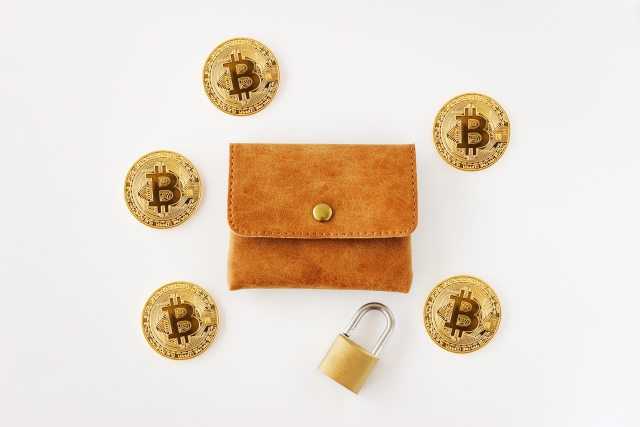
In the world of cryptocurrencies, a "wallet" is like a safe where all your past transaction history is stored.
A direct translation would be "wallet," so I think many people will imagine the kind of wallet we use every day.
However, it doesn't actually contain the "cryptocurrency" itself, like a wallet.
Each wallet is linked to an address (similar to an account number).
This address is generated from your wallet and is necessary when receiving cryptocurrency.
This system works by storing records of all transactions made using the linked address, allowing you to view the balance of the address associated with that wallet.
Furthermore, this address is linked to a "private key" (similar to a password) and a "public key," which are necessary when actually executing a transaction.
(I'll explain these two points in more detail in the next chapter.)
[Types of Wallets]
① Hot wallet
- An online wallet connected to the internet.
• High risk of hacking.
・It can be used anytime as long as there is an internet connection.
⇒ Web wallets (provided on the cloud), mobile wallets (apps installed on smartphones, etc.), desktop wallets (installed on a computer)
② Cold Wallet
- An offline wallet that is not connected to the internet.
• While it offers high security, it is also prone to loss or damage.
⇒ Hardware wallets (stored and managed on devices such as USB drives), paper wallets (stored on paper)
For trade-related inquiries, please contact us here.