
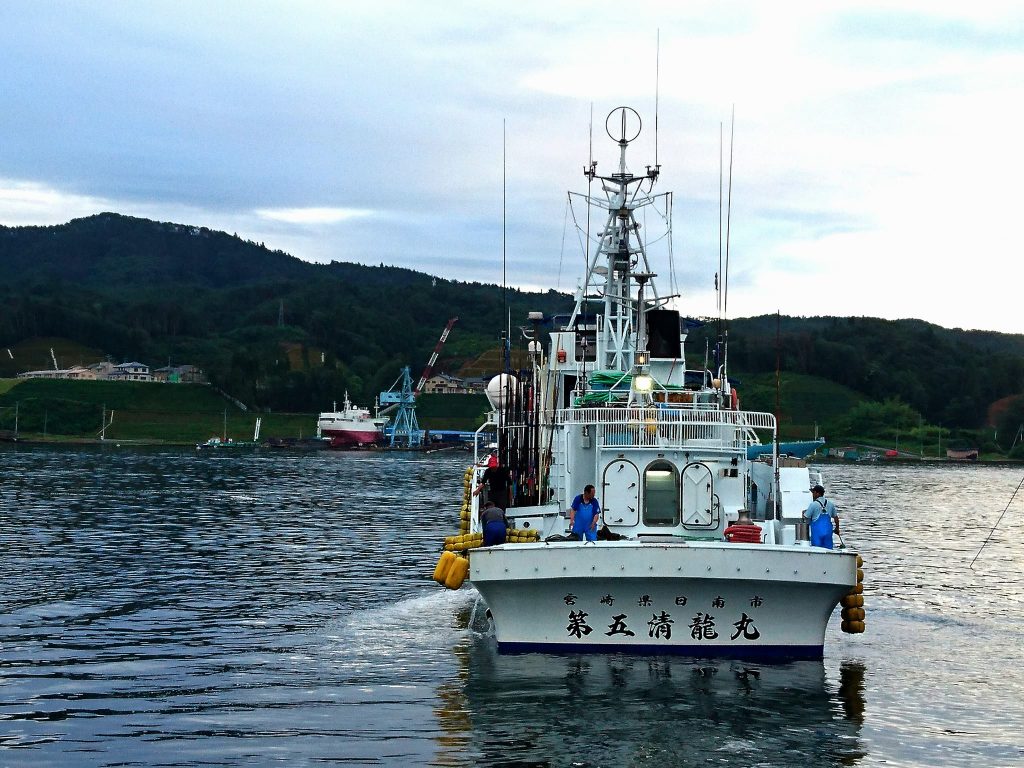
Opening up overseas markets with high-quality skipjack tuna from Miyazaki, caught by pole-and-line fishing and flash-frozen.Asano Suisan Co., Ltd.
Asano Suisan Co., Ltd. specializes in high-quality seafood processing using the traditional skipjack tuna pole-and-line fishing method combined with rapid liquid freezing. Committed to sustainable fishing practices, the company has adopted the purpose of "evolving fishing into an intensive way of working" and is striving to forge a path to the future of the fisheries industry, which is facing structural changes. Currently, recognizing the limitations of the domestic market, they are challenging themselves to develop overseas sales channels for their next growth.
assignment
- Limitations of sales channels due to sluggish growth in the domestic market.
- Profitability deteriorating due to rising fuel and material costs
- Lack of specialized personnel to handle export operations
current situation
- Reducing workload through outsourcing of trade operations
- Developing sales strategies based on local needs
- Real-time market trend tracking based on primary sources
Could you tell us what led you to introduce STANDAGE's automated trading service this time?
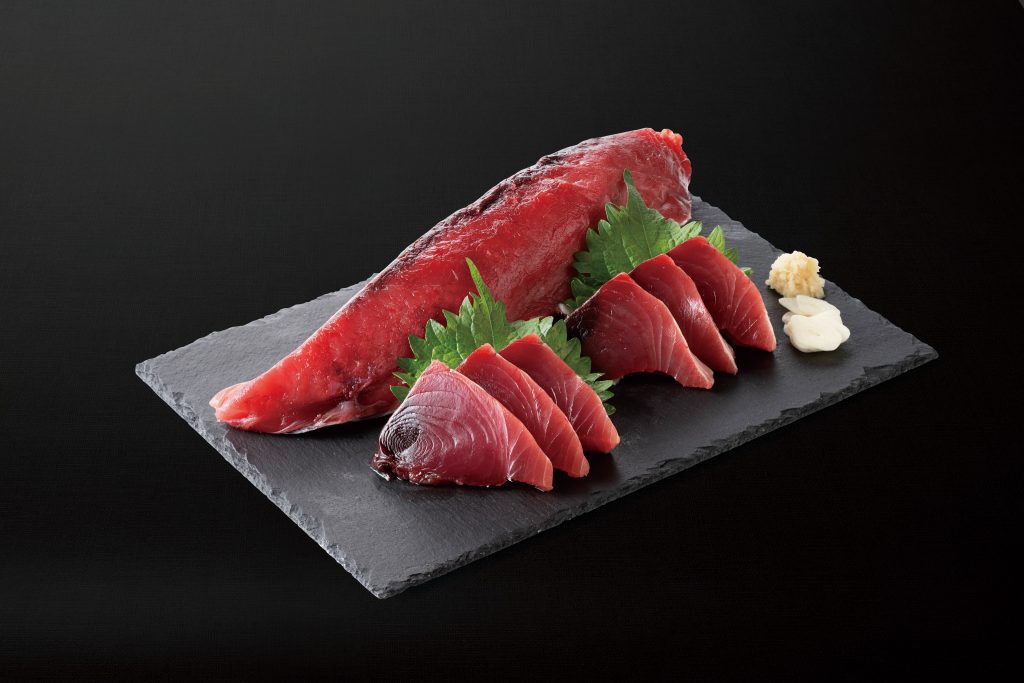
Our bonito products, which are highly praised for being "easy to eat with no unpleasant odor," are caught using the pole-and-line fishing method, and the fish are landed on our own fishing vessels that have obtained MSC certification. The fish are then liquid-frozen to maintain their freshness at a processing plant adjacent to the port. We have also received certification as a Japanese Agricultural Heritage site. However, we have faced structural challenges such as the recent surge in fuel and material costs and the saturation of the domestic market, and we felt that a new development was necessary for sustainable management. Therefore, as our next step, we decided to venture into developing overseas sales channels.
It was during a trade show that a representative from STANDAGE approached us, which led us to learn about "Omakase Trading." We felt that their support system, which encompassed not just export procedures but the entire market development process, had great potential, and we decided to implement it.
What exactly did it entail?
STANDAGE offers more than just simple trade agency services. What we prioritized was developing sales channels in a way that supported our entire marketing activity, including market research, collecting post-sales feedback, and even reviewing our strategies.
In overseas expansion, simply "selling and being done with it" is not enough to achieve results. Rather, the real challenge lies in how to establish the product in the market after the sale and how to continuously improve it. STANDAGE has been our partner throughout all of these processes.
What effects have you seen since implementing it?
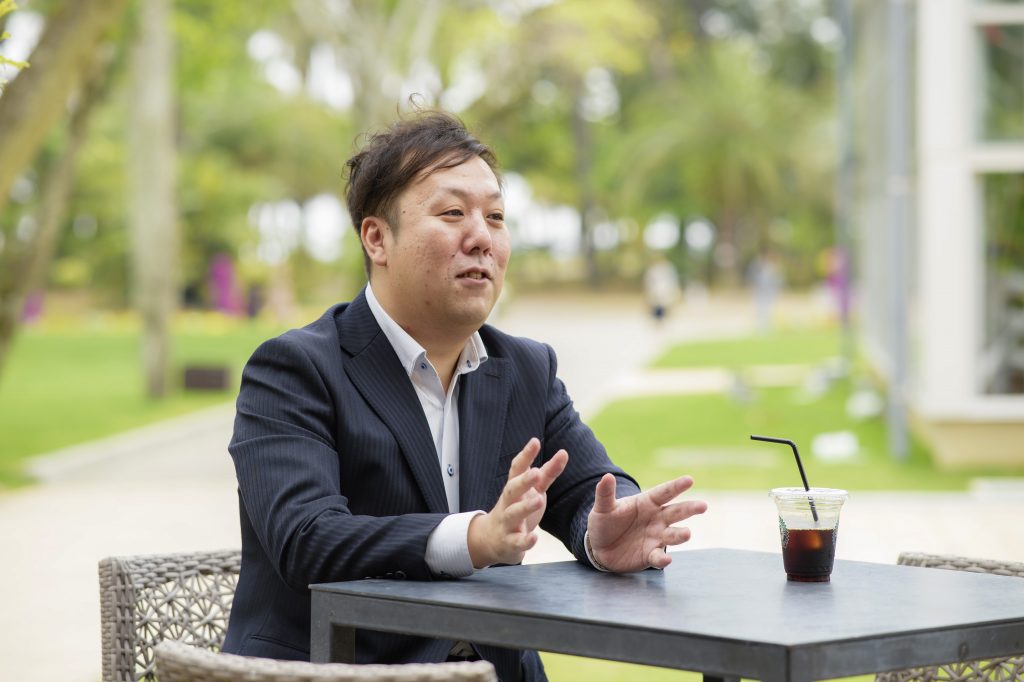
With STANDAGE's support, we now have a system in place to reliably handle trade operations such as export procedures, document preparation, and transportation coordination, which were previously difficult to manage with our own resources alone. It is realistically difficult to handle the specialized knowledge and practical tasks in-house, so being able to confidently entrust these aspects to them is a major advantage.
Furthermore, instead of simply "exporting," we can now receive feedback based on firsthand information from the field, allowing us to grasp market trends in real time and utilize that information in our sales strategies. For example, we find it highly valuable that we can obtain information such as "what kind of flavors are preferred" and "which sales channels are effective" based on actual data and local voices, rather than relying on intuition or experience.
What kind of support do you expect from Omakase Trading in the future?
Going forward, what we expect from STANDAGE is to build up more concrete results in overseas markets, one step at a time. For example, results based on clear indicators, such as achieving sales volume targets, continuing to receive repeat orders, and establishing brand recognition in local markets.
To achieve this, we need to further deepen our collaboration with local partners and determine "what approach is best suited to which country or region." We look forward to STANDAGE continuing to provide valuable information and support in implementation.
Comment from Mr. Asano of Asano Fisheries
For companies like ours, which have primarily operated domestically, expanding overseas is a major challenge. There are many hurdles to overcome, such as language, laws, transportation, and customs duties. However, "Omakase Trading" is the perfect next step for companies like ours that want to venture overseas but don't know where to start.

Other recommended implementation examples
-

others
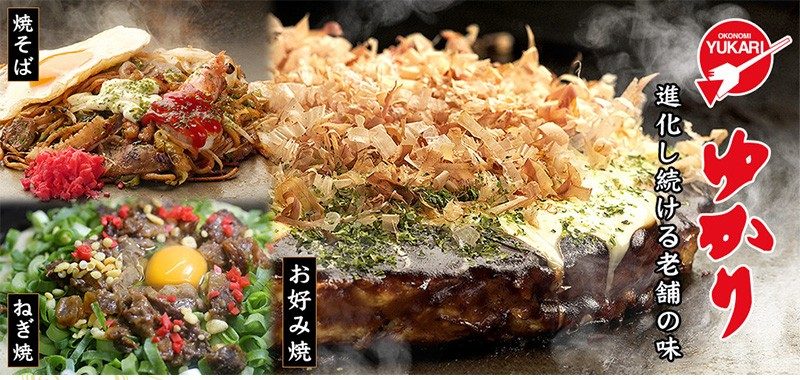
Yukari Co., Ltd.Mr.
Delivering "flavor" and "connections" to the world—a long-established okonomiyaki chain is developing markets through locally focused export support.
-

Manufacturer
Ihara Suisan Co., Ltd.Mr.
How did the introduction of "Leave it to us" trading open the door to overseas expansion for seafood processing companies struggling with declining domestic demand?
-

retail
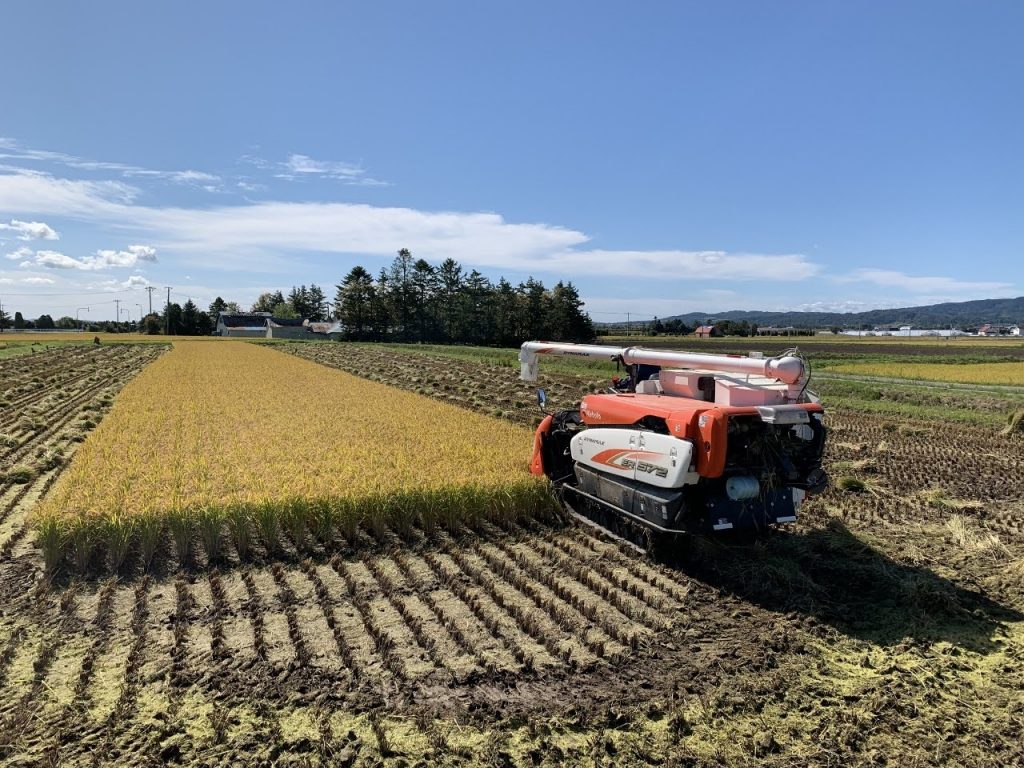
Anao Holdings Co., Ltd.Mr.
Starting from scratch in sake exports: Taking the first step towards new possibilities with "Omakase Trading"
-
Manufacturer
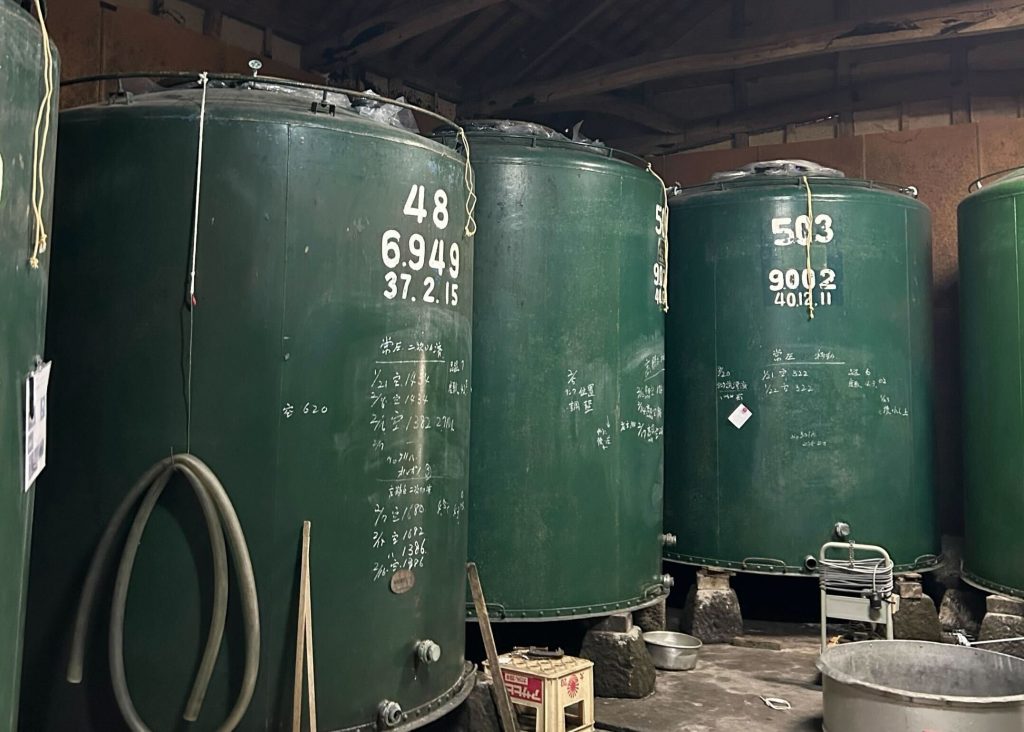
Agata-ya Sake Brewery Co., Ltd.Mr.
A historic sake brewery ventures into overseas markets—opening up new prospects with STANDAGE's "Leave it to us trading" service.
-

retail
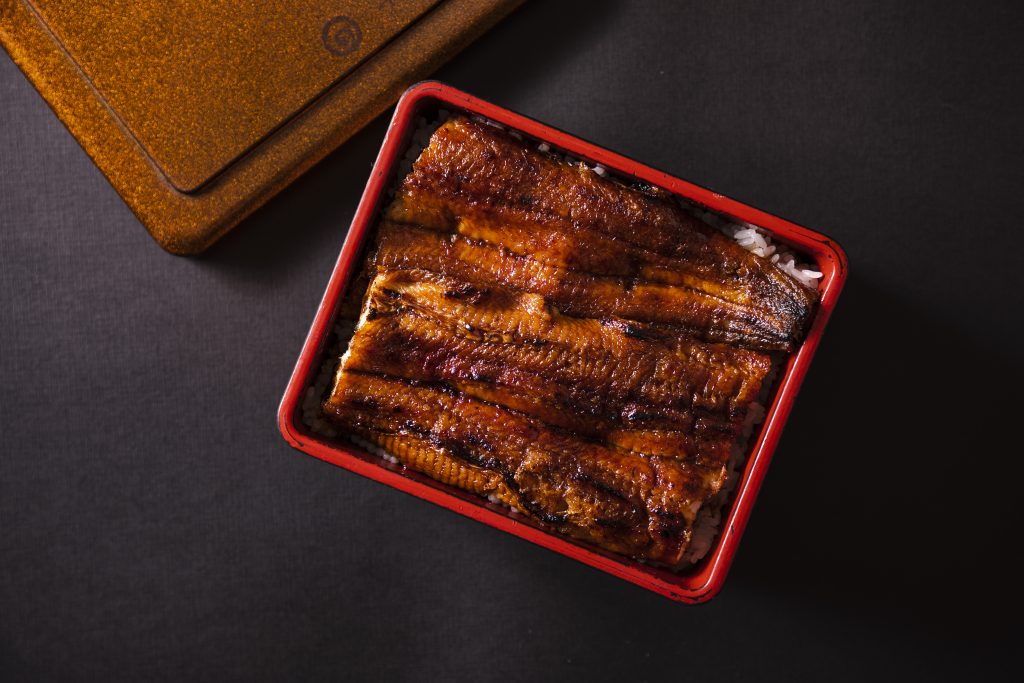
Unasei Co., Ltd.Mr.
A long-established eel restaurant ventures into overseas markets: An export strategy forged through tradition and innovation.
-

Manufacturer
Yawata-ya Tea Shop Co., Ltd.Mr.
Optimizing resources and expanding overseas without waste—a new path to market development.