
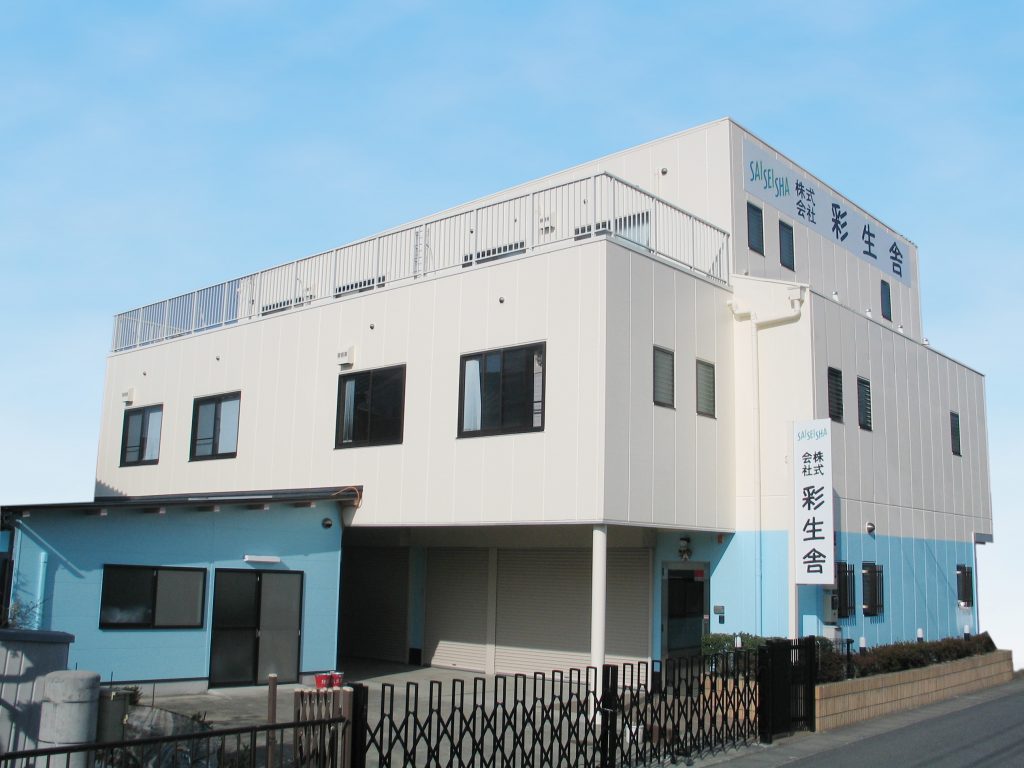
A natural cosmetics manufacturer takes on the challenge of "starting from scratch to enter the overseas market"—overcoming the language barrier with "Omakase Trading"Saiseisha Co., Ltd.
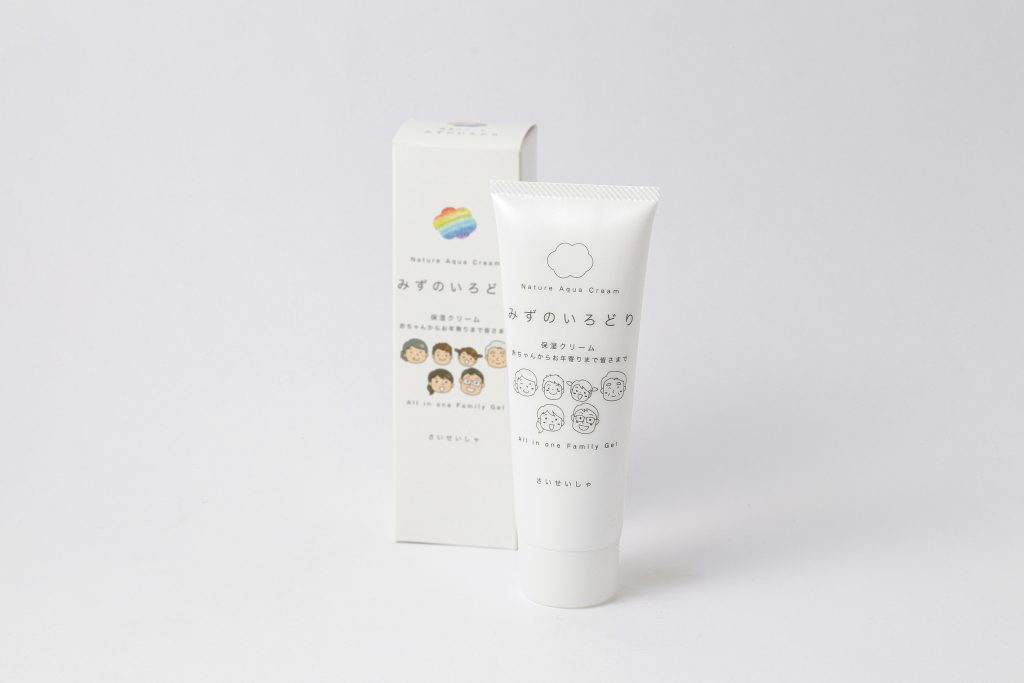
Saiseisha Co., Ltd. has been dedicated to the health of people and the planet, harnessing the power of nature. Since its founding in 1984, the company has developed natural cosmetics and aromatherapy brands. Seeing the limitations of the domestic market, it has decided to venture overseas for the first time. To open up new sales channels in the global market, it has introduced "Omakase Trading" (a customized trading system).
assignment
- Stagnation in domestic sales
- Difficulty in developing new sales channels
- Lack of knowledge regarding international trade
current situation
- The possibility of overseas customers emerging and leading to actual business negotiations.
- Building a system to provide comprehensive support for English language, documentation, and negotiations.
- Expanding possibilities for local OEM contracts and in-house production
Could you tell us what led you to introduce STANDAGE's automated trading service this time?
The biggest challenges we faced were stagnant sales and a lack of new business partners. We realized that the only way to overcome this situation was to venture into areas we hadn't touched before. That's when the idea of expanding into overseas markets emerged. Of course, we had almost no experience with international trade, and to be honest, we had absolutely no idea where to begin. However, we believed that overseas markets offered a chance for products that were becoming saturated in Japan to be accepted as "new and valuable products." In particular, when we considered countries that had market conditions similar to Japan's 30 years ago, we thought, "There might be potential there."
Regarding the introduction of "Leave it to us trading," it was achieved as part of our domestic initiatives, leading to a match with STANDAGE and ultimately initiating our overseas projects.
What exactly did it entail?
What we value most about working with STANDAGE is their ability to overcome language barriers. This doesn't simply mean having someone who speaks English. What we were looking for was a company that truly lived up to its name of "hands-off," taking care of everything. We wanted to do business with overseas companies, but the reality was that we couldn't communicate, we couldn't read the documents, and negotiations were simply impossible. Having them provide comprehensive support in these areas is incredibly reassuring. From document preparation to interpretation during business negotiations and even sales coordination, they support us as if we had actually hired a local sales representative.
Tools like Google Translate are simply not sufficient in the business world. STANDAGE completely bridges that gap, which is why we were able to take our first step forward.
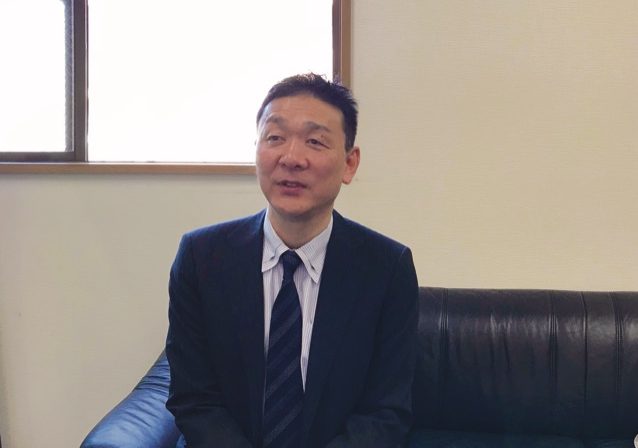
What effects have you seen since implementing it?
To be honest, it hasn't even been a year since we implemented it, so we haven't seen a direct impact on sales yet. However, the fact that our contact with overseas markets, which was previously completely nonexistent, has now progressed to concrete business negotiations and proposals is a significant change. Ideally, we would like to expand OEM transactions in multiple countries and regions in the future. If our products are well-received locally, we can expect to receive repeat orders two or three times. Furthermore, we see the possibility of developing into "local production" in the future.
In order to make these prospects a reality, we expect STANDAGE to continue to make strong sales efforts as our "Overseas Sales Representative."
What kind of support do you expect from Omakase Trading in the future?
Our future goal is to secure OEM contracts that span multiple countries. As these contracts grow from one company to two, we hope to eventually move to the stage of "local, in-house production." To achieve this, STANDAGE's "practical support" remains essential. We would like STANDAGE to leverage their network and experience to propose the most suitable markets and partners for countries and regions that we cannot reach on our own.
Comment from Mr. Nishimura of Saiseisha
It's still early days since we introduced it, and we can't say we've achieved great success in overseas expansion yet, but for companies like ours that want to go overseas but are hesitant because of the language barrier, we believe "Omakase Trade" is the perfect option. For companies that only speak Japanese, doing business with English-speaking countries is practically impossible. In such a situation, having a company that handles all the hurdles—language, paperwork, negotiations—allows us to take that first step towards the new challenge of international trade.
Of course, the future is uncertain, but having a partner to walk alongside you through that uncertainty is incredibly reassuring. I would highly recommend them to many small and medium-sized enterprises as a "support system for taking the first steps in international trade."

Other recommended implementation examples
-
Manufacturer
GMAKe Co., Ltd.Mr.
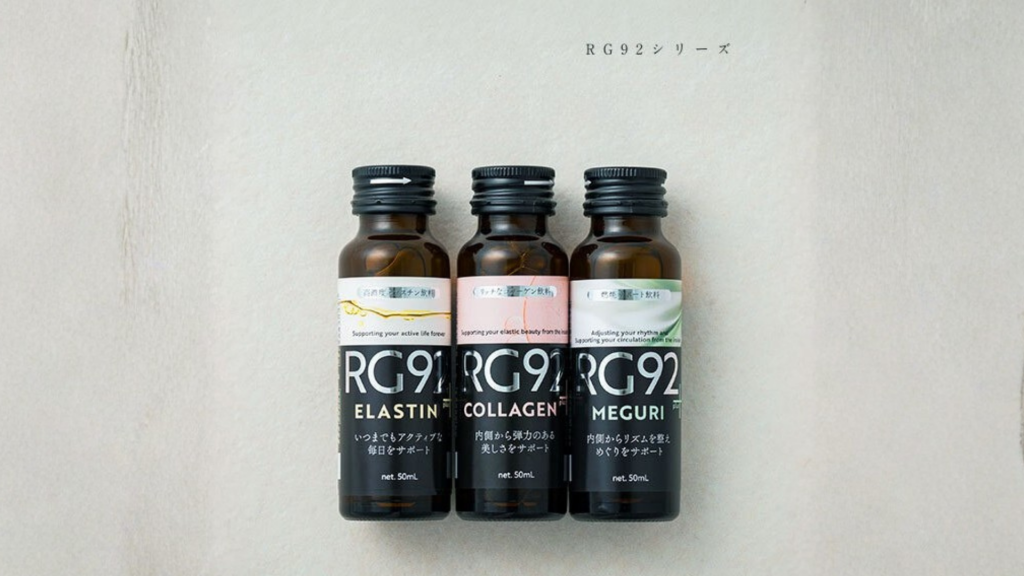
A young health food manufacturer achieves Hong Kong exports despite having no prior experience.
-


retail
Top Climb Co., Ltd.Mr.
A new map for overseas expansion discovered by a health food company through "Omakase Trading" (a trading service).
-


Manufacturer
NSK CorporationMr.
Beyond market saturation: A health food manufacturer's move overseas.
-


Manufacturer
Tenshindo Co., Ltd.Mr.
Facing the challenges of overseas expansion—a cosmetics OEM company opens the door to the Chinese market with "hands-off trading."
-

Manufacturer
Flavor Life Co., Ltd.Mr.
How did Flavor Life achieve operational efficiency and global expansion through its "Leave it to us trading" service?
-

others
CHC Co., Ltd.Mr.
STANDAGE's "Leave-it-to-us Trading" service accelerates the overseas expansion of its beauty products—challenging new markets with expert support.