

A specialized tool trading company takes on the challenge of developing the African market: Moving beyond personalized exports and discovering growth potential through "hands-off trading."Kiichi Tools Co., Ltd.
Kiichi Tools Co., Ltd. is a specialized trading company for machinery and tools, founded in 1943. We source products from 640 companies both domestically and internationally, and handle import and export to 46 countries worldwide. By reviewing the challenges of our export operations, which were previously highly dependent on individual expertise, and utilizing our "Leave it to us" trading system, we are now fully expanding into the Middle East and Africa markets.
assignment
- The reliance on specific individuals for export operations leads to the personalization of tasks.
- Delays in developing new markets due to being overwhelmed with serving existing customers.
- A lack of understanding of market trends leads to decreased marketing accuracy.
current situation
- Obtaining firsthand information from overseas locations through on-site staff.
- Smooth communication and visualization of challenges between two parties regarding export operations.
- Developing a system for entering untapped markets, starting with Nigeria.
Could you tell us what led you to introduce STANDAGE's automated trading service this time?
Our company has been engaged in overseas export business for approximately 50 years, but the operations were dependent on specific individuals, resulting in a highly personalized system. When I took over the overseas business, the foundation for new business development was not yet in place, and I was constantly busy dealing with existing customers. I faced the challenge of not having the resources to take a step into new markets. Furthermore, the information I obtained from long-standing business partners was insufficient to grasp the overall market trends, and I often felt uneasy, wondering, "Is this really the right direction?" For example, even when I was told, "This is what the Thai market is like," I couldn't see the actual situation on the ground, such as the extent to which Japanese companies had entered the market. I also felt the limitations of marketing.
Our company is a trading company that procures goods from manufacturers and exports them. Our business cannot function without export approval from our suppliers. However, in Southeast Asia and the United States, where many Japanese companies already have a presence, establishing new sales channels has been difficult.
Amidst these circumstances, we began to explore regions where other companies had not yet entered, and our attention turned to the Middle East and African markets. Through gathering information at trade shows and other events, we encountered STANDAGE, and obtaining concrete information for the first time, particularly about the progress of urbanization and infrastructure development in Nigeria, marked a major turning point for us.
Until then, Africa had only been a vague image of "the savanna," so the existence of STANDAGE, which has staff permanently stationed on the ground and can deliver real-world information, was very appealing. Therefore, as the first step in our expansion into Africa, we decided to ask STANDAGE to conduct market research and provide support for the Nigerian market.
What exactly did it entail?
What we found most valuable was the provision of real-time market information thanks to the presence of local staff. Receiving specific proposals and information based on local needs, which we wouldn't be able to obtain ourselves, has been a great help. Furthermore, being able to communicate closely with STANDAGE's representatives in Japan in Japanese allows us to accurately convey our intentions and ideas, resulting in very smooth communication. In the process, they have even pointed out issues we had overlooked, giving us many insights that broaden the possibilities for our trade development.
Furthermore, this experience made me realize for the first time just how important preparation is for promoting products locally. As we shared information, we received unexpected questions and suggestions from different perspectives, which made me realize the need for a flexible viewpoint.
What effects have you seen since implementing it?
Currently, our overseas sales account for approximately 4% of our total sales, but starting with our entry into the African market, we aim to increase this to 5% initially, and eventually to 15-20%. Based on our experience in the Nigerian market, we plan to expand into previously untapped regions such as the Middle East. We will continue to utilize STANDAGE's proposals to develop our strategy.
Furthermore, we hope to share local information and sales channel knowledge with suppliers and partner companies facing similar challenges, thereby expanding the possibilities for overseas expansion through collaboration. In the future, we hope to become a hub, playing a role in spreading excellent Japanese products to emerging markets.
What kind of support do you expect from Omakase Trading in the future?
While I am very satisfied with the current support, what I would like to see more in the future is proposals for "product collaboration." For example, if there is a good affinity between the products that STANDAGE is already developing in a specific region and our products, I believe that a collaboration proposal such as, "Why don't we propose your products together with these products?" would create an even greater synergy effect.
Kiichi Tools KondoComments from [Name]
We believe that "Omakase Trading" is an extremely valuable service for companies struggling with a lack of local information. This initiative was a new challenge for our company, but through our interactions with STANDAGE, we were able to realize "perspectives that we had overlooked." For example, we had the opportunity to re-examine the advantages of our products, which we had considered to be our strengths, and to clarify how we differentiate ourselves from other companies, which was a great gain that will be useful in our future sales activities.
We are confident that "Omakase Trading," which combines "locally-based information" with "flexible responsiveness through careful dialogue," will be a powerful tool for Japanese companies looking to venture overseas.

Other recommended implementation examples
-
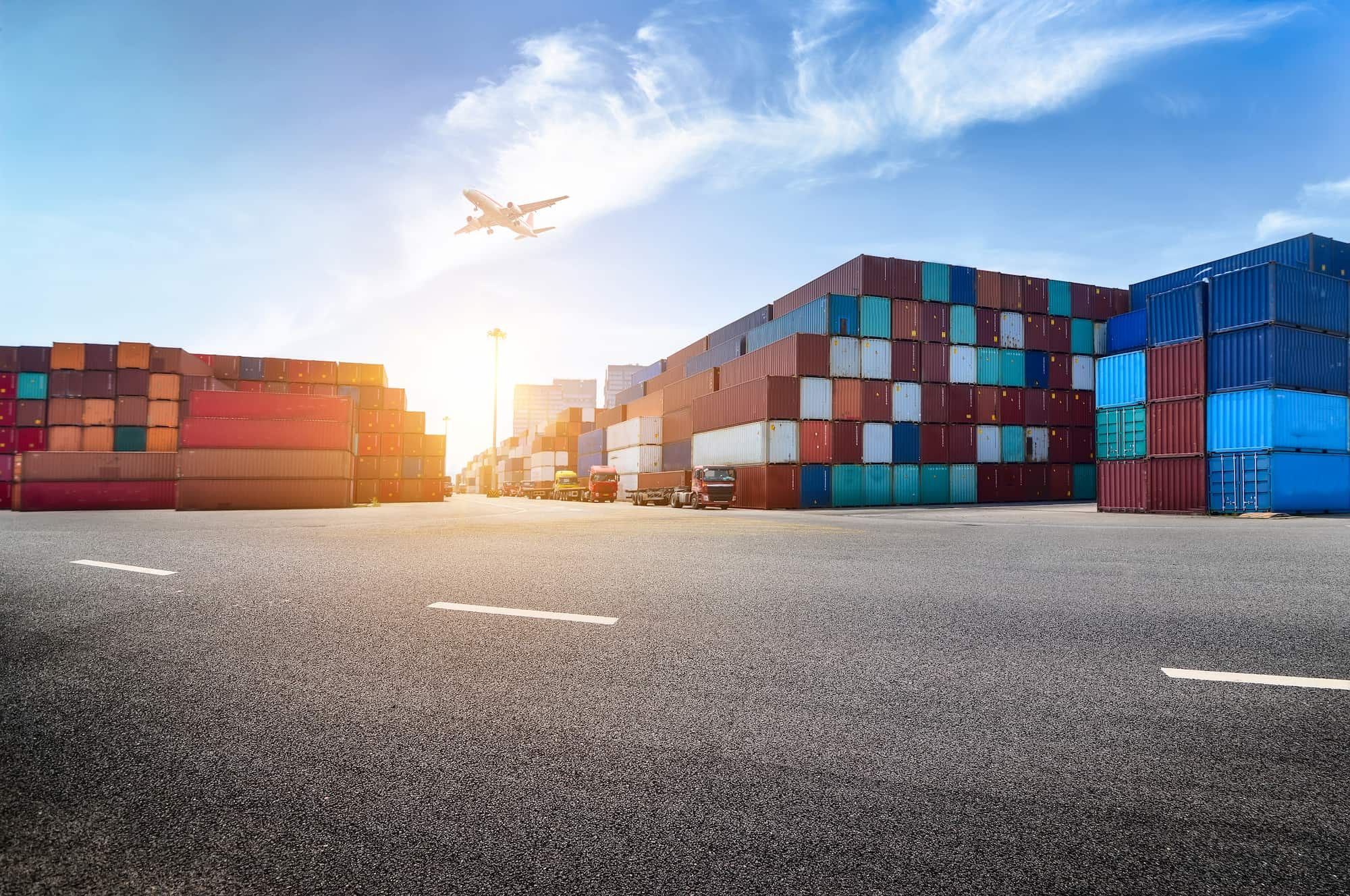

Logistics/warehousing
Sanno Logistics Co., Ltd.Mr.
STANDAGE's "Leave it to us trading" service expands overseas sales channels—aiming to increase market share in logistics by utilizing local information.
-

others
Hino Co., Ltd.Mr.
Bringing a fresh perspective to traditional industries: Tatami manufacturers take on the challenge of developing global markets.
-

Manufacturer
Saiseisha Co., Ltd.Mr.
A natural cosmetics manufacturer takes on the challenge of "starting from scratch to enter the overseas market"—overcoming the language barrier with "Omakase Trading"
-
Manufacturer
G.TRES Co., Ltd.Mr.
New possibilities for construction equipment exports: Utilizing local information to develop future markets
-

others
Yasuda Sangyo Co., Ltd.Mr.
The used car recycling business faces the challenge of exporting—taking the first step by outsourcing trade operations.
-


retail
EiShin Co., Ltd.Mr.
Exporting Sustainability: Opening Up New Markets Through Locally-Focused Approaches