
A sports equipment manufacturer's choice to tackle the reality of small and medium-sized enterprises: "We lack people and time."YM Tech Co., Ltd.
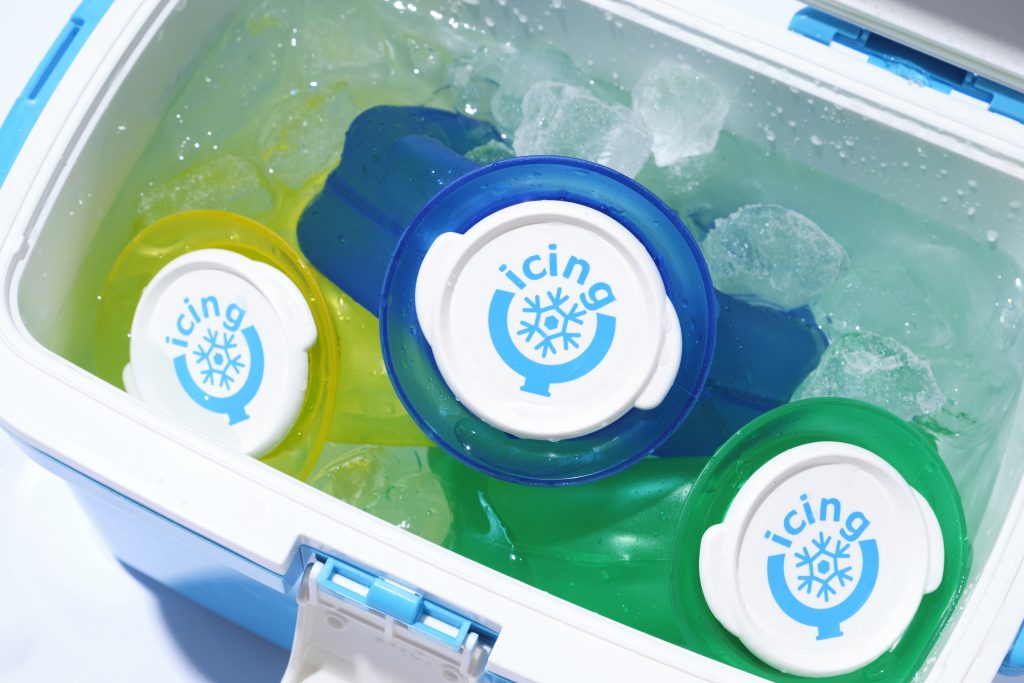
YM Tech Co., Ltd. is a health equipment manufacturer headquartered in Sasebo City, Nagasaki Prefecture. Its flagship product, the cooling recovery device "Icing U," has sold over 100,000 units nationwide and continues to grow. The company is focusing on developing sales channels in emerging countries as a new market. As a first step in this endeavor, it chose STANDAGE's "Omakase Trading" service.
assignment
- Difficulty in securing trade personnel for local companies
- The burden of hiring specialized personnel, which involves high labor costs.
- Lack of practical support and negotiation channels in overseas markets
current situation
- STANDAGE will be in charge of negotiations with overseas partners.
- Securing resources to focus on our own business operations
- Starting trade operations risk-free
Could you tell us what led you to introduce STANDAGE's automated trading service this time?
Although we had long been interested in expanding into overseas markets, there were many obstacles to actually starting a trade business. As a regional company, securing trade personnel was a major challenge. Compared to urban areas, it is difficult to find people locally who are well-versed in the practicalities of trade, and if we were to hire someone, we would need someone with an annual salary of around 8 million yen. This is a very heavy burden for a small or medium-sized enterprise in a regional area.
Actually, I had known about the existence of "Omakase Trading" for some time, but I hadn't gotten around to implementing it. However, when I started to seriously consider venturing into international trade, I was introduced to STANDAGE through a business negotiation with a certain financial institution, which became a major catalyst for me to decide to implement it. Because it was a recommendation from a trustworthy company, I took another look at the service and was able to decide to implement it.
And another deciding factor was the "cost-effectiveness." It was significantly cheaper than hiring employees, and even if it didn't work out, it wouldn't pose a major risk. For a local company like ours, this "ease of trying" was extremely appealing.
What exactly did it entail?
Currently, what I value most is that STANDAGE acts as our "negotiation point" with overseas partners. I already run other businesses in parallel, so the time I can dedicate to daily operations is limited. In this situation, having STANDAGE handle negotiations, communication, and price adjustments with overseas companies allows us to concentrate on our own business.
Furthermore, understanding local market conditions such as the sports culture, distribution structure, and price ranges of each country is quite difficult for our company to do on our own. In particular, since our company specializes in sports equipment, understanding the popularity of each sport and the usage environment in each country is extremely important. We find it very reassuring that we can receive comprehensive support to overcome these practical challenges.
What effects have you seen since implementing it?
Although it's still early days since we implemented the system, a major achievement is that we were able to start trading while avoiding the costs and risks associated with hiring personnel. Furthermore, we feel confident proceeding with our operations thanks to STANDAGE's support, even with our lack of specialized knowledge. This is extremely significant for a regional company like ours.
What kind of support do you expect from Omakase Trading in the future?
The current contract period is two years. During that time, one of our goals is to "establish a stable trading system with a specific country." We have no intention of internalizing our trade operations; rather, we want STANDAGE to continue working with us with a sense of urgency as a medium- to long-term partner.
Comment from Mr. Matsunaga of YM Tech
To be honest, before implementing "Omakase Trading," I had some concerns, wondering, "Is this really going to work?" However, through daily interactions, I've come to believe that this is a trustworthy company. For companies in regional areas, accessing the latest information and expert personnel in Tokyo is not easy.
In this context, we feel that STANDAGE is a truly reliable partner that opens the door to international trade. We intend to continue our challenge in the global market together with STANDAGE.

Other recommended implementation examples
-

Manufacturer
Plus Minus Zero Co., Ltd.Mr.
Outsourcing "sales channel development capabilities"—new market avenues revealed through the use of external resources
-
others
Hino Co., Ltd.Mr.
Bringing a fresh perspective to traditional industries: Tatami manufacturers take on the challenge of developing global markets.
-

others
Kita Machinery Industry Co., Ltd.Mr.
A shift from a passive to an offensive move in global expansion.
-

Manufacturer
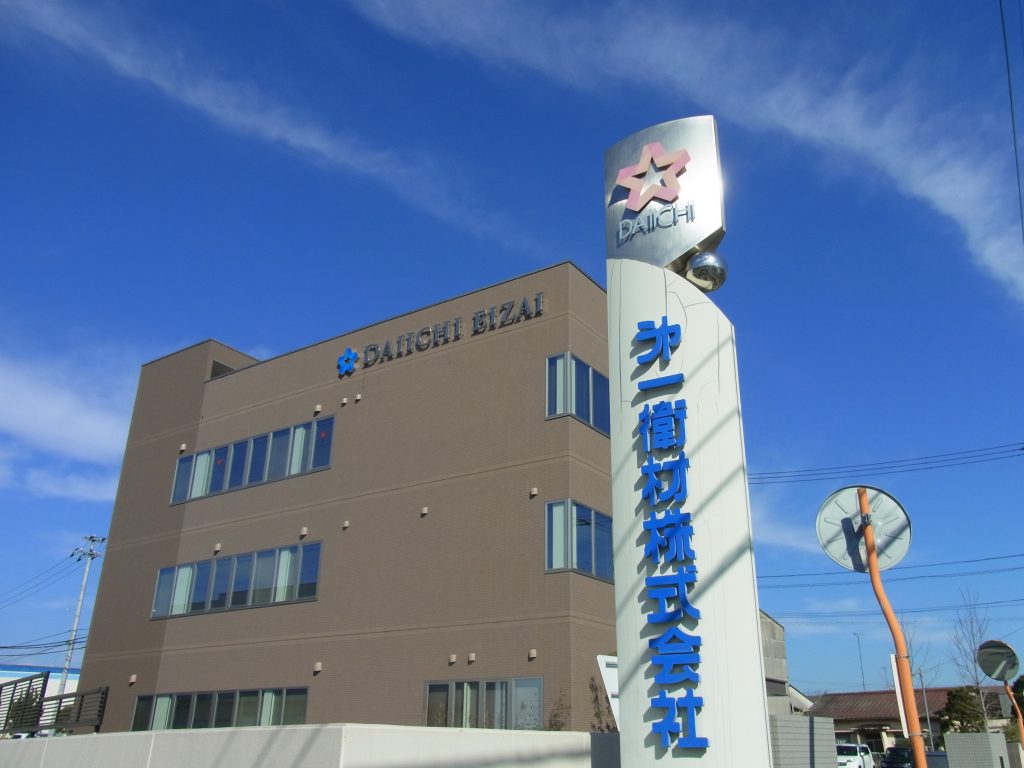
Daiichi Eizai Co., Ltd.Mr.
A long-established manufacturer of hygiene and nursing care products takes on the challenge of "exporting from scratch."
-

Manufacturer
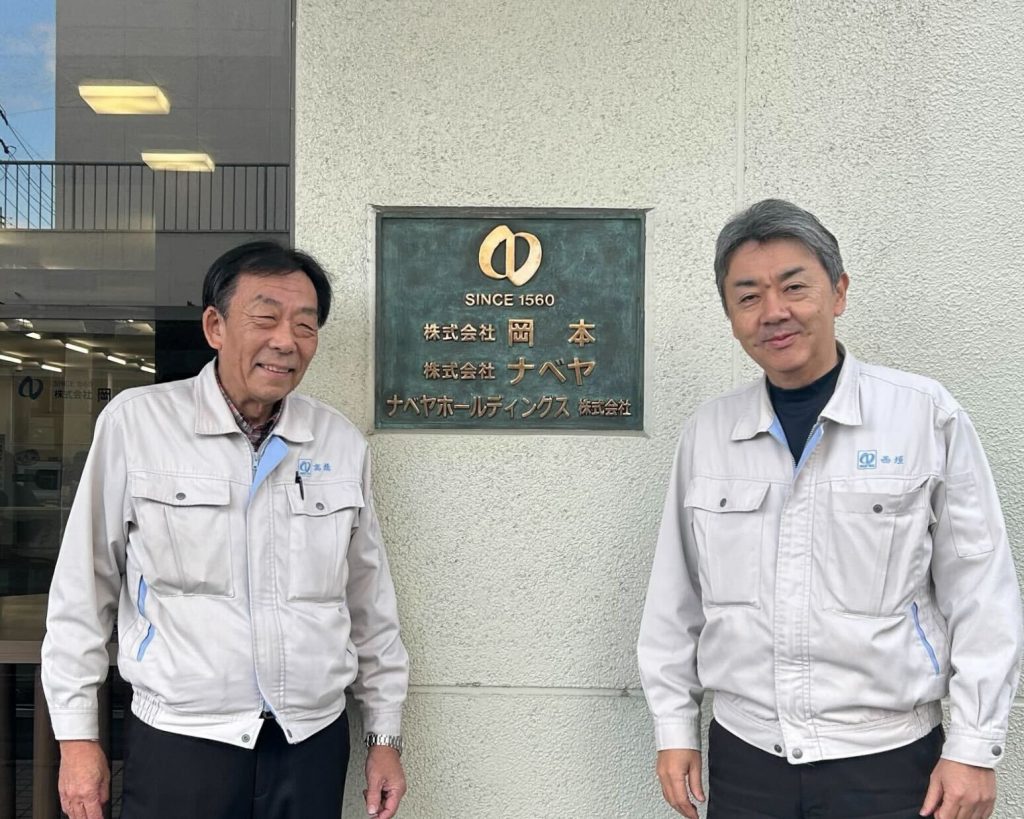
Okamoto Co., Ltd.Mr.
Taking on the challenge of building a trade network from scratch. Starting overseas expansion of our products with STANDAGE's "Leave it to us trading" service.
-

Trading companies and wholesalers
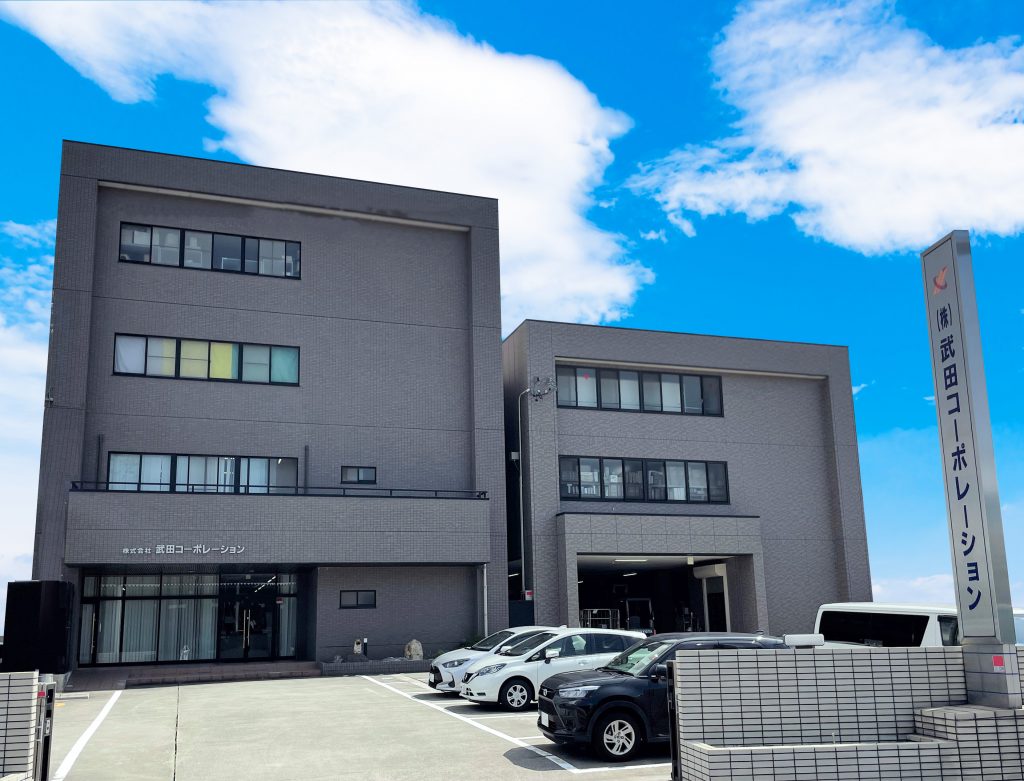
Takeda CorporationMr.
A trading company importing household goods takes on the challenge of developing overseas sales channels—a turning point towards "selling" trade.