English
  Japanese
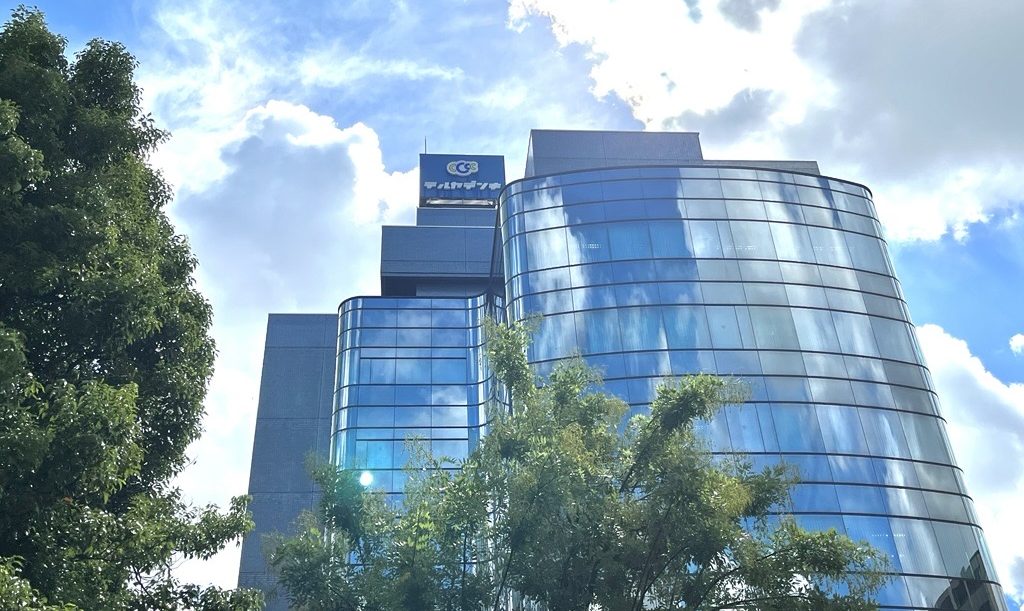
The obstacles and solutions for overseas expansion faced by electrical equipment trading companiesTeruya Electric Co., Ltd.
Founded in 1924, Teruya Electric Co., Ltd. is a specialized trading company that supplies electrical construction materials and control equipment mainly in the Tokyo metropolitan area. With a total of over 3,000 clients, the company has embarked on developing overseas sales channels as its next step in growth. Starting from scratch with no English language support or export know-how, what was the background behind the adoption of STANDAGE's "Omakase Trading" system?
assignment
- Insufficient language support system necessary for international transactions
- Lack of practical know-how regarding export operations
- Uncertainty surrounding the initial steps towards overseas expansion
current situation
- Establishment of a meticulous support system by specialized staff.
- Reforming and promoting awareness of export operations within the company.
- Outsourcing a portion of export operations reduces workload and provides peace of mind.
Could you tell us what led you to introduce STANDAGE's automated trading service this time?
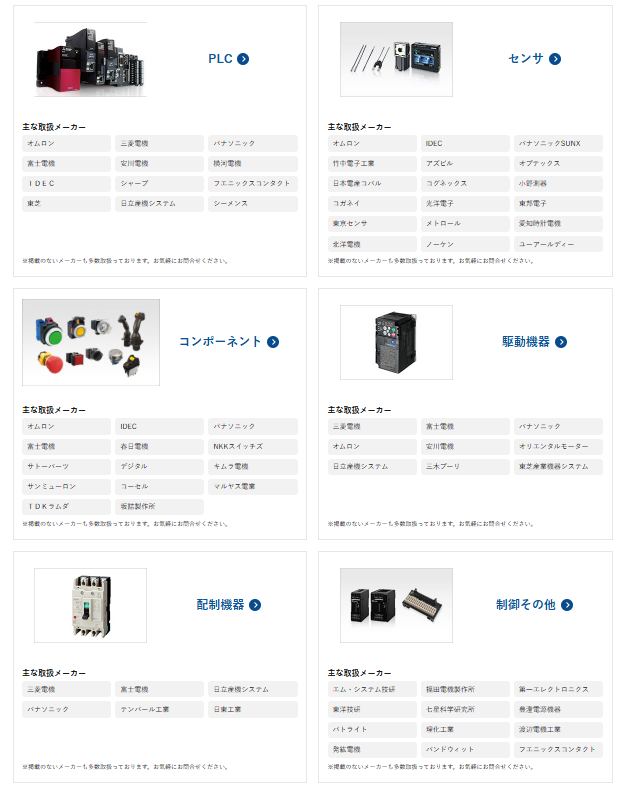
We at Teruya Electric manufacture and sell products related to electrical infrastructure, such as control components and electrical materials, and have primarily operated in the domestic market until now. However, as we aim to expand our market, we have come to realize that developing overseas sales channels is unavoidable. It was around this time that we were offered the opportunity to open a store on a major distribution platform. However, we had absolutely no experience in handling inquiries from overseas customers in English, or in export operations if our products were to sell.
"We were worried because we didn't even know where to begin," but then we learned about "Omakase Trade." "Omakase Trade" provides support from export handling to handling inquiries in English, so even though we don't have any specialized knowledge, they will guide us every step of the way." This support system was the deciding factor in adopting it.
What exactly did it entail?
What we value most since implementing the system is the support system, including how inquiries are handled. Even when we don't know how to respond to questions in English, the STANDAGE staff give us precise advice, which allows us to confidently communicate with overseas partners. For example, they respond to even the smallest requests, such as "Please provide this document" or "Please reply with this information in English."
Currently, we haven't reached the stage of actually closing a deal, but I'm very grateful for the hands-on support that has helped alleviate my initial anxieties.
What effects have you seen since implementing it?
Currently, we are in the phase of "getting used to the process of international trade." At the beginning of the contract, our goal was to bring processes in-house within one to two years, and eventually build a system that would allow us to handle overseas business negotiations on our own.
Although we haven't yet reached that goal, we are gradually working on improving our sales system, and awareness of "handling overseas business" is beginning to take root within the company. Having STANDAGE as an intermediary gives us peace of mind, as we don't have to deal with overseas buyers directly.
What kind of support do you expect from Omakase Trading in the future?
Going forward, we also expect specific marketing proposals such as "which products will sell in which countries and how." For example, if you could provide information such as "there is a need for these kinds of products in this region," it would allow us to approach the market more strategically.
Furthermore, because our company deals in the niche field of electrical materials, our products differ from highly versatile items like "kitchen knives" or "tea," which are often seen as success stories on major distribution platforms. That's why we believe that supporting the matching of our products with markets, countries, and customers that are a good fit is key to our future growth.
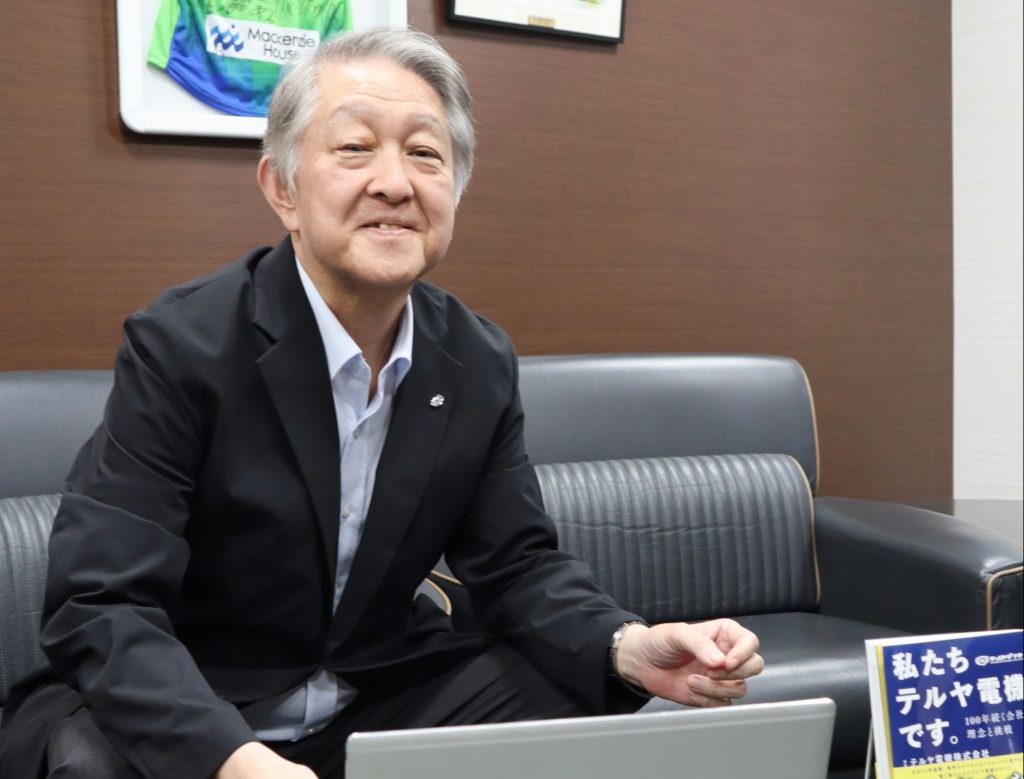
Comment from Mr. Wada of Teruya Electric
"We want to start trading, but we don't know where to take the first step"—for companies like that, we highly recommend STANDAGE's "Leave-it-to-us Trading" service. Their comprehensive support, from handling inquiries in English to arranging exports, is a reassuring presence for companies feeling anxious about expanding overseas.
To be honest, just because you open a store on a cross-border e-commerce site doesn't mean you'll see immediate sales. However, with STANDAGE's support, you gain the courage to take that first step into uncharted territory. And for small and medium-sized enterprises like ours, that's of immense value.

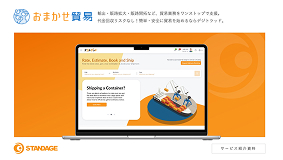
Other recommended implementation examples
-
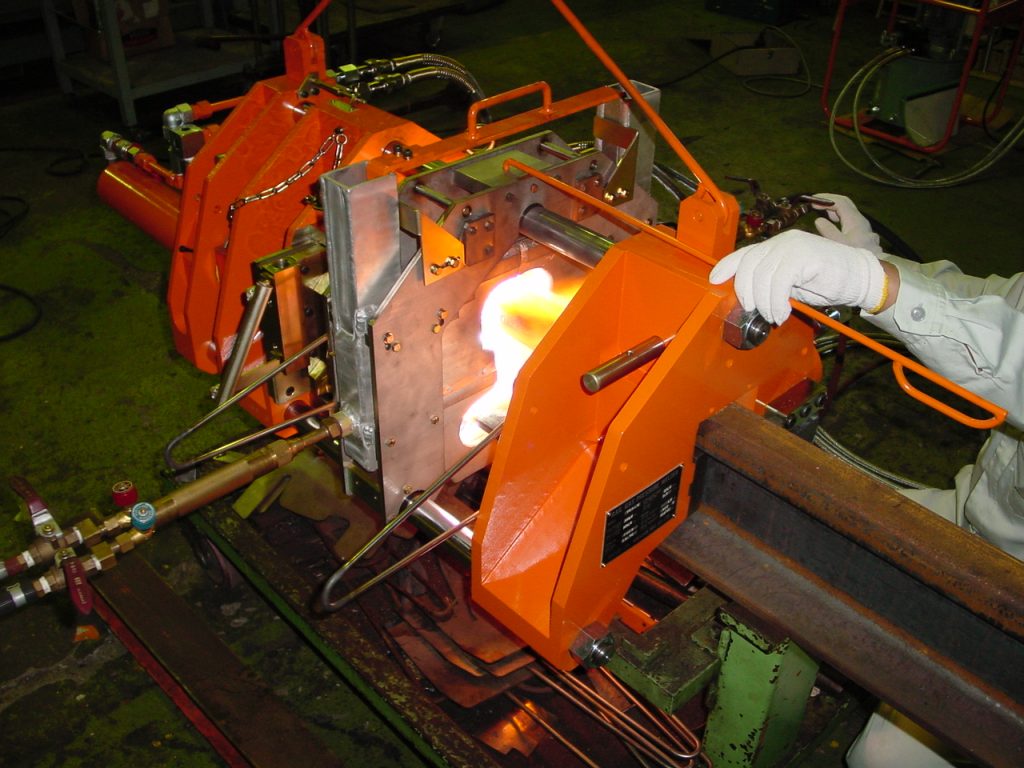

Manufacturer
Hakusan Co., Ltd.Mr.
A welding machine manufacturer aiming to expand its overseas sales channels envisions a new form of trade operations.
-
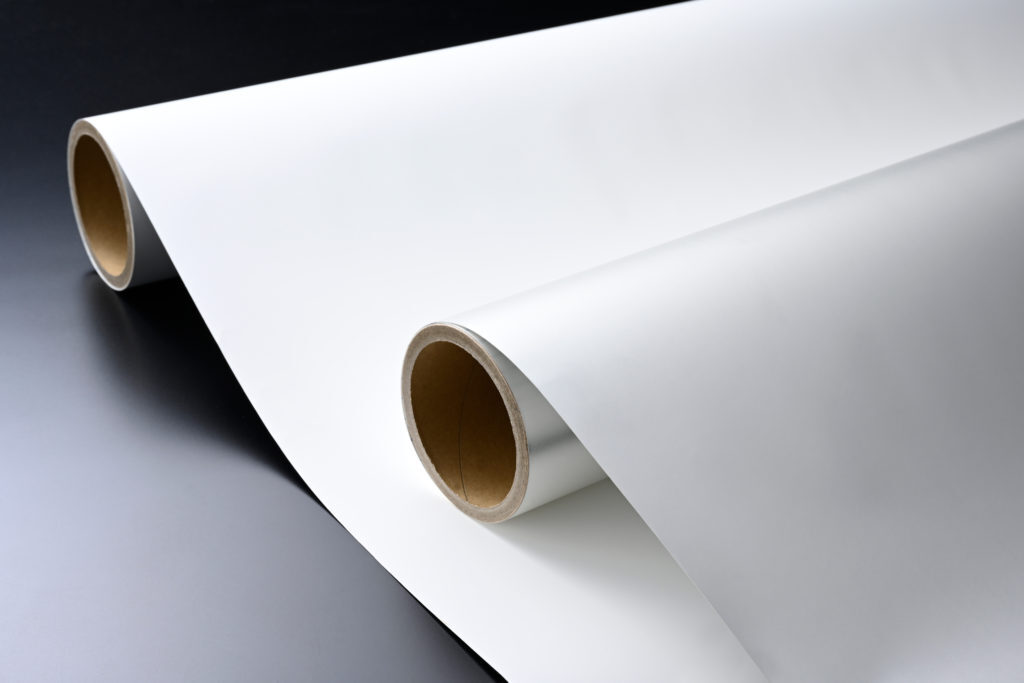

Manufacturer
SPACECOOL Co., Ltd.Mr.
Challenging the global market with radiative cooling films: The challenge of a next-generation venture in the building materials and energy sectors.
-
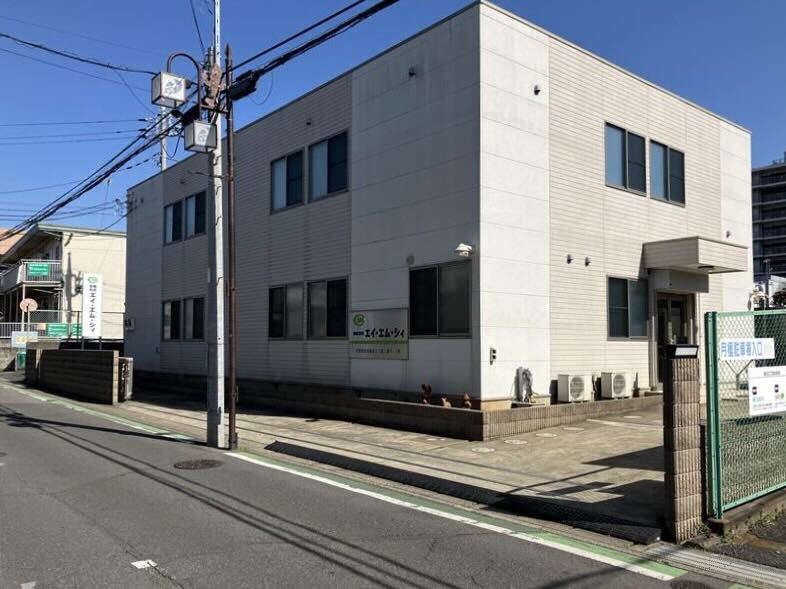
Manufacturer
AMC Co., Ltd.Mr.
Overseas Expansion Strategies for Manufacturing Companies: Solving Challenges and Achievements Through the Introduction of "Automated Trade"
-
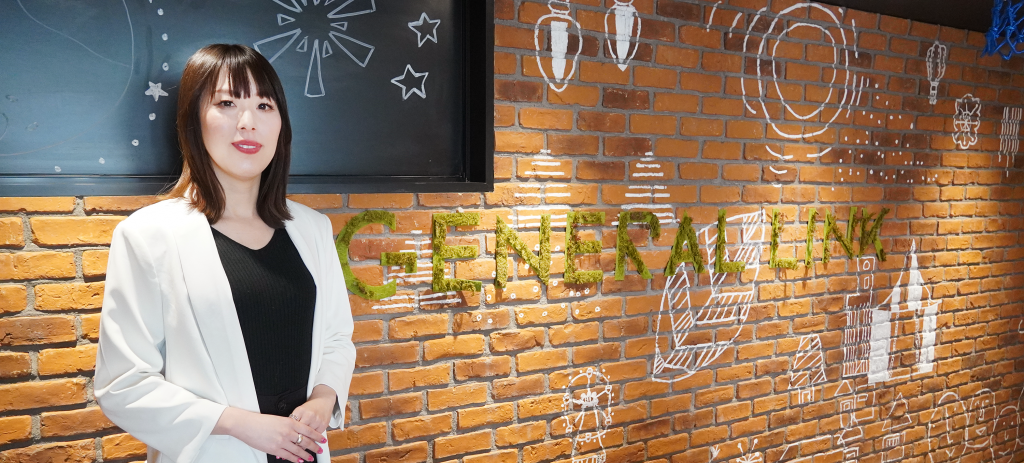

Mass media and advertising
General Link Co., Ltd.Mr.
Entering overseas markets without our own products—Taking on new sales channel development with STANDAGE's "Leave it to us trading" service.
-
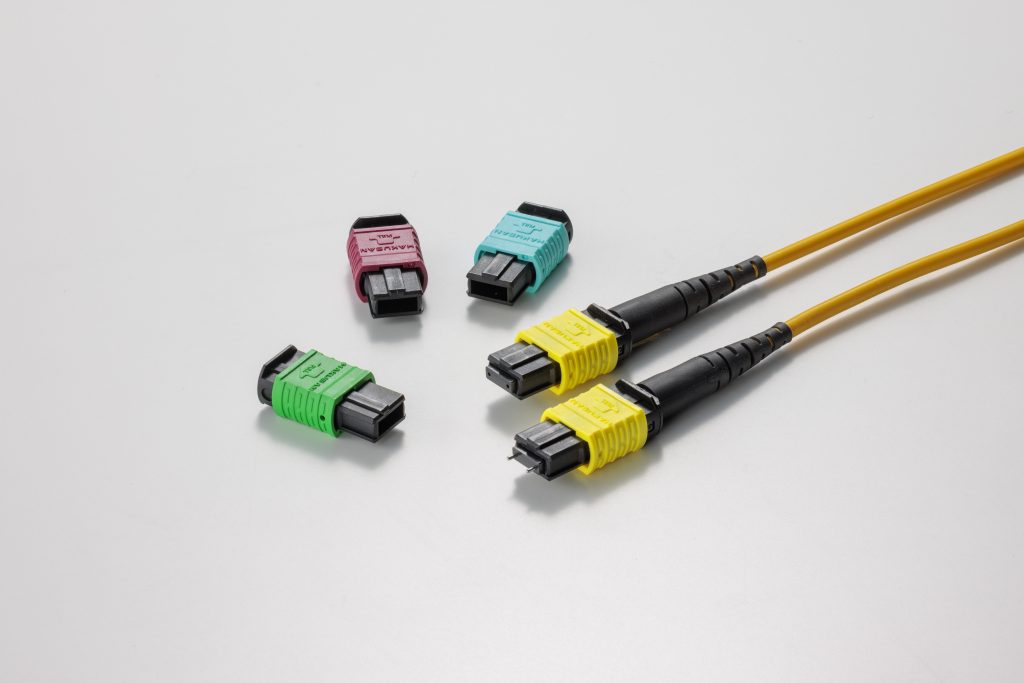
Manufacturer
Hakusan Co., Ltd. (Hikari Sales Department)Mr.
Breaking Free from the Belief of "We Can Only Rely on Ourselves"—The Path to Trade Reform Chosen by a Manufacturing Sales Department
-
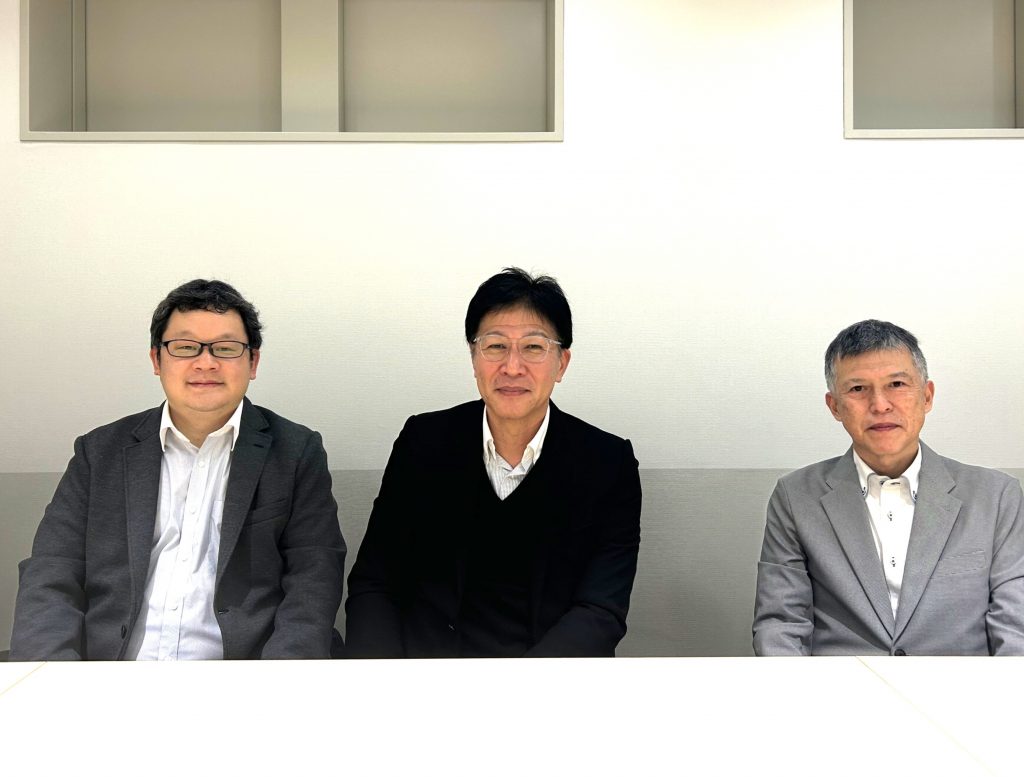

Trading companies and wholesalers
Fuji Chemi Trading Co., Ltd.Mr.
What are the benefits of introducing "hands-off trade" to accelerate entry into the African market, and what are the keys to solving the challenges?
Documents