English
  Japanese
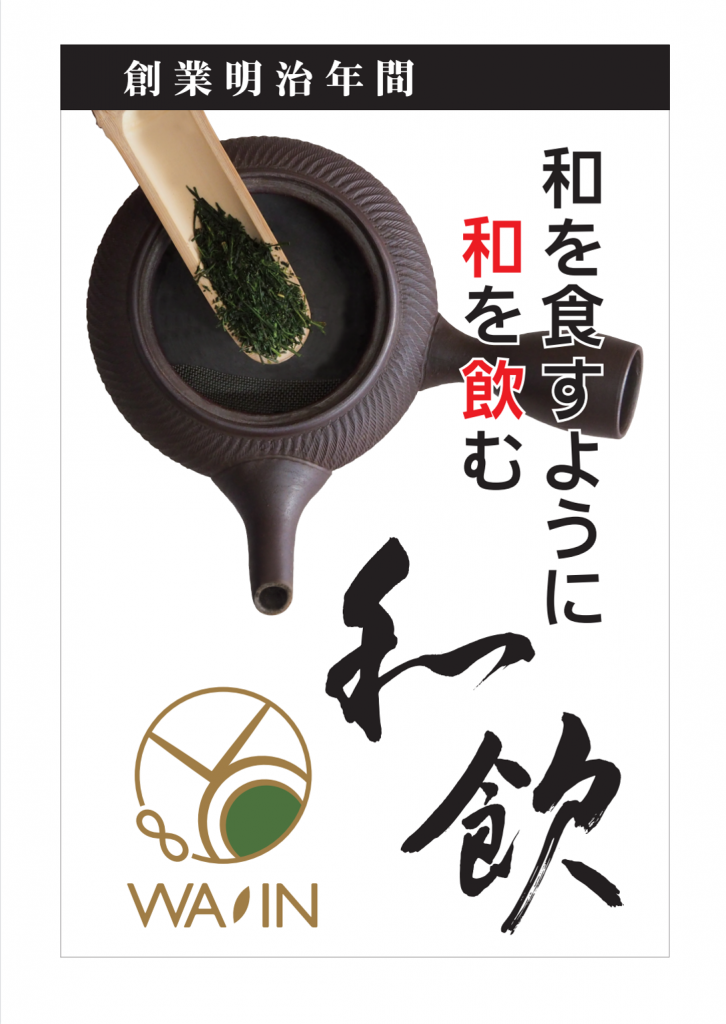
Optimizing resources and expanding overseas without waste—a new path to market development.Yawata-ya Tea Shop Co., Ltd.
Yawata-ya Tea Shop has a history of over 100 years since its founding and is widely recognized as a long-established tea shop. While continuing to provide high-quality tea products loved both domestically and internationally, the company is also working to expand into overseas markets. This time, we will introduce the case of the company, which optimized its resources and achieved overseas expansion without waste.
assignment
- High-cost employment of sales representatives
- Cost burden of exhibiting at trade shows
- Lack of know-how and resources necessary for entering overseas markets
current situation
- Reducing cumbersome trade procedures
- Improving internal awareness of overseas expansion
- Improving operational efficiency and speed (in progress)
Could you tell us what led you to introduce STANDAGE's automated trading service this time?
Our company has been attempting to expand into overseas markets, but due to the high costs and risks involved, we have been struggling to make progress despite our efforts. In particular, the expenses for hiring sales representatives and exhibiting at trade shows were enormous, and as a result, a sentiment developed within the company that "overseas expansion is too risky," leading us to decide to abandon our efforts to enter overseas markets at one point. However, seeing our connections with other companies that had already entered the market actively pursuing exports, we felt a renewed sense of opportunity and decided to try again. From our previous bitter experiences, we strongly felt that a more efficient and cost-effective method was needed to enter overseas markets.
Under these circumstances, we learned about STANDAGE's "Leave-it-to-us Trading" service and decided to implement it. In particular, we had high hopes that it might provide solutions to the challenges we had experienced in our overseas expansion so far.
What exactly did it entail?
What was most appealing about STANDAGE's "Leave-it-to-us Trade" service was that they handled all the complicated trade procedures, document preparation, and overseas communication that we had been facing. In particular, the prompt support that STANDAGE provides for exports to the Indian market is a major plus. We also feel that outsourcing trade operations has the added benefit of allowing our domestic sales staff, who previously had limited experience, to grow.
Furthermore, the ability to manage trade-related information through "Trade Cloud" is extremely convenient. For companies like ours that operate in an analog environment, introducing such digital tools is crucial, and I believe that as all employees gradually become accustomed to them, work efficiency will improve.
What results have you achieved since implementing it?
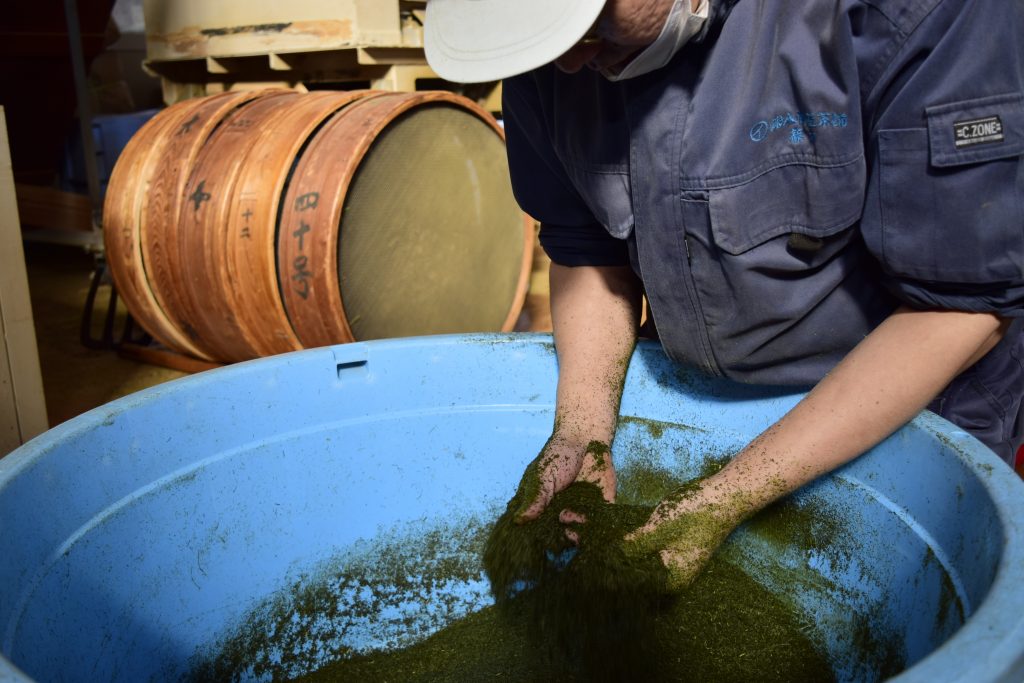
Immediately after implementation, we were able to export to India. This achievement is extremely significant to us. It has spread the understanding within the company that "overseas markets are attractive," and has also boosted employee morale. In fact, seeing our domestic sales staff involved in overseas market operations and learning about trade operations, we can really see their growth.
Furthermore, "Omakase Trade" (a trade management service) has significantly reduced the burden of trade by minimizing the complexity of necessary documents and procedures. In particular, the information management using cloud tools and trade-related support are extremely smooth, contributing to increased operational efficiency. We feel that the combination of these factors has broadened our opportunities for overseas expansion.
What kind of support do you expect from Omakase Trading in the future?
With STANADGE's support, we expect to expand into even more overseas markets. In particular, we are confident that we can expect significant growth in sales and profits in the Indian market, which is currently our main focus.
Furthermore, we want to further utilize "Trade Cloud" and other support tools to improve the efficiency and speed of our operations. In particular, we believe that if our staff becomes more proactive in using the tools and speeding up their work, our results will improve even more.
Our goal is to have our achievements featured in brochures as a successful case study of overseas exports. To achieve this, we would appreciate it if we could produce tangible results and figures that can serve as a reference for other companies. For this reason, we hope that STANDAGE will continue to support us with a sense of urgency.

Other recommended implementation examples
-

Trading companies and wholesalers
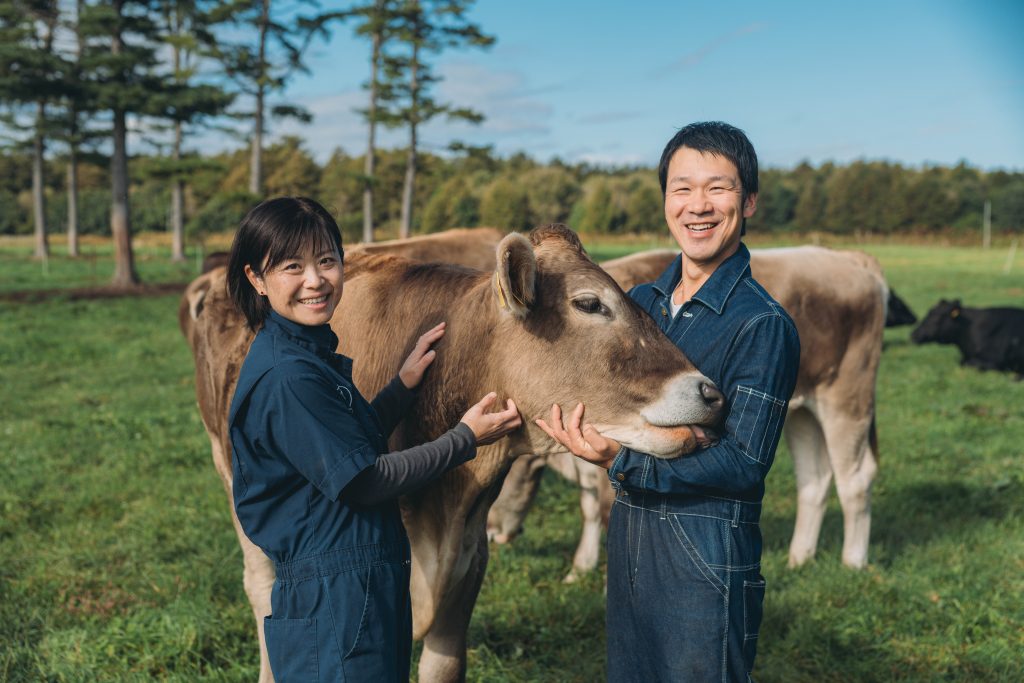
Suzuki FarmMr.
Taking on the world with frozen milk—opening doors to overseas markets with new technology.
-


others
Outgrow Japan Co., Ltd.Mr.
From B2C to B2B: Exploring new frontiers in B2B exports through diversified management.
-
Manufacturer
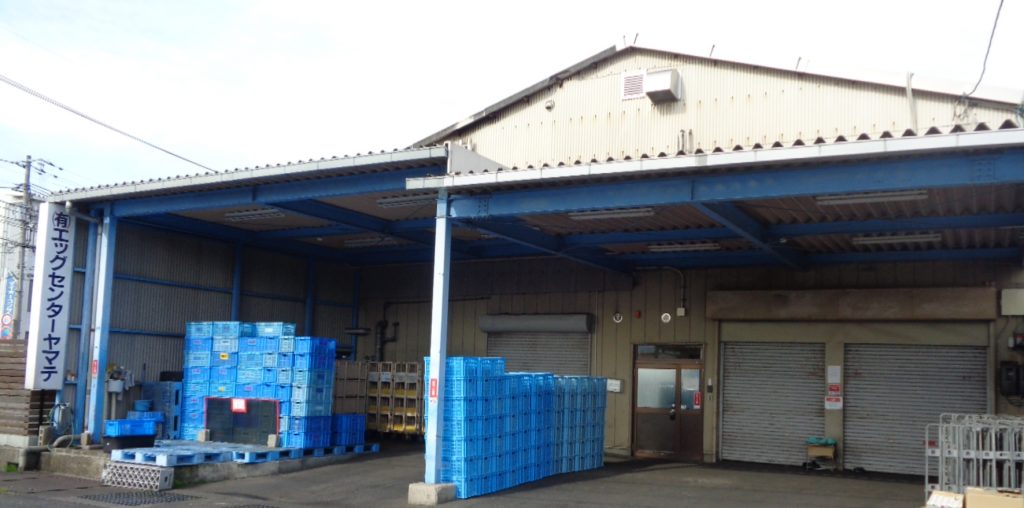
Egg Center Yamate Co., Ltd.Mr.
Competing with Japan's rare eggs: A poultry company's global challenge
-


Manufacturer
Ihara Suisan Co., Ltd.Mr.
How did the introduction of "Leave it to us" trading open the door to overseas expansion for seafood processing companies struggling with declining domestic demand?
-


retail
International IST Co., Ltd.Mr.
The option of selling overseas. What is the "next move" chosen by a professional in seafood import?
-

retail
Anao Holdings Co., Ltd.Mr.
Starting from scratch in sake exports: Taking the first step towards new possibilities with "Omakase Trading"
Documents