English
  Japanese
How Fukuoka's long-established textile company's "padded hanten" started selling overseas—the reason for deciding to continue for two yearsMiyata Textile Co., Ltd.
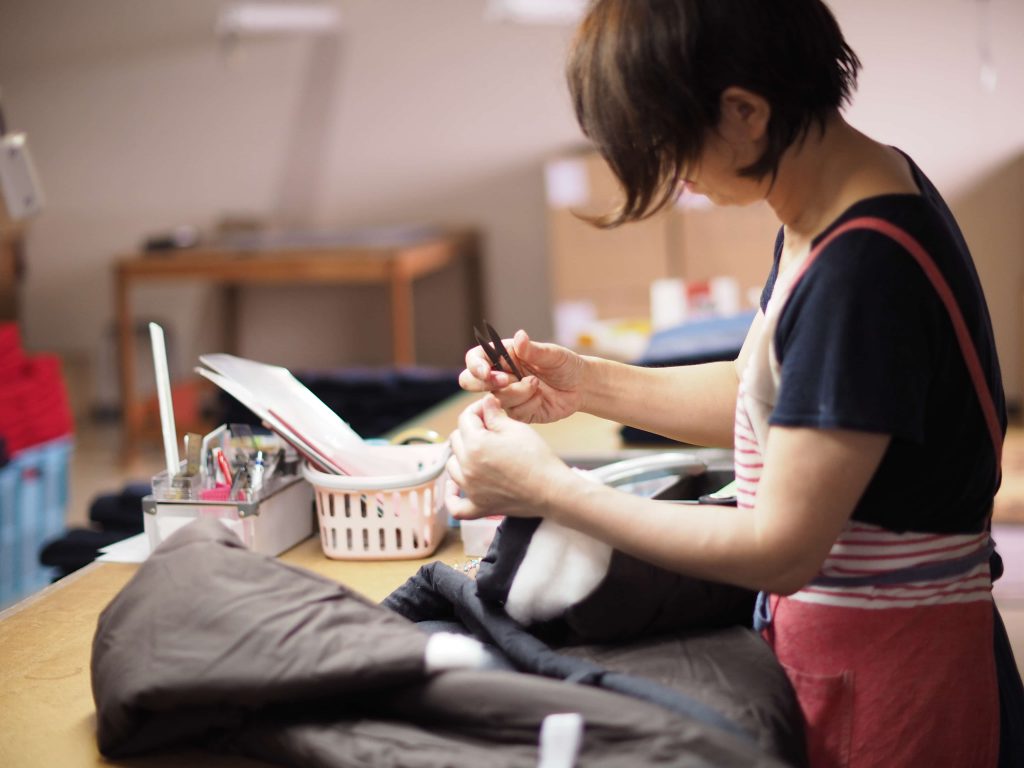
Founded in 1913, Miyata Textile Co., Ltd. is a long-established textile manufacturer that produces Japanese clothing products such as padded hanten jackets, samue work clothes, and jinbei. Committed to purely domestic manufacturing, with everything from yarn selection to sewing done in-house, the company, now 113 years old, is seriously embarking on a new challenge: overseas expansion. The company introduced "Omakase Trading" in January 2024. After two years of collaboration, they signed a renewal contract in 2026. In this interview, we spoke with President and CEO Yoshikai to learn more about "how things have changed in two years" and "why they chose to continue," topics that couldn't be fully covered in the article published immediately after the introduction.
assignment
- I wanted to reach people overseas, but I didn't know where to start.
- Past spot exports have become difficult to continue due to the breakdown of relationships with know-how providers.
- We lacked the internal infrastructure to handle trade operations and overseas relations.
current situation
- France recorded its first substantial overseas sales.
- The crowdfunding campaign raised 2.37 million yen, approximately eight times its target.
- In the United States, we have received a positive response locally, and preparations for the next phase are underway.
- We are establishing new business channels, such as "fabric sales" that are not affected by the seasons.
What challenges did you face when you first implemented it?
We originally had a desire to let people overseas enjoy the products we made. We were confident in our products and were certain that they would be well-received. In fact, in the past, we exported fabrics and sold them online to France and the UK. Going back several decades, we even shipped products to these regions.
However, those were merely sporadic efforts. When relationships with clients who possessed the necessary expertise were severed, it became difficult to continue. Even when we wanted to seriously expand overseas, we didn't know "where to begin." That was the situation we were in.
When we first encountered "Omakase Trading"—which was called "Marunage Trading" at the time—we felt that the word "Marunage" (meaning "handing over") perfectly described our needs. However, we didn't just want to hand over our products and have them sell them. We wanted them to handle everything, including trade administration and market research, and help us sell the products we had poured our hearts into creating. We were hoping for that kind of collaborative support.
Could you tell us the reasons and background behind your decision to continue for two years?
To be honest, we weren't without doubts. The process of actually bringing it to fruition overseas took longer than we had imagined. This wasn't solely a problem with STANDAGE, but also involved a change in our own direction, but frankly speaking, the process we initially envisioned didn't finish in two years. There were also points we needed to consider regarding costs.
The reason we decided to continue was because we understood that building overseas sales channels wouldn't bear fruit in just one or two years. Over the 113 years we've been in business, we've learned to distinguish between what needs to be rushed and what needs to be tackled carefully without rushing. We also have experience working overseas, and we're confident that our products will be loved for a long time by those who understand them. This belief that we should settle down and work on it steadily supported our decision to continue.
In addition, the excellent support we received from the staff was a huge factor. Recently, the staff has been working on expanding our business in Paris, and I think that's truly wonderful. I expect things to really blossom from the third year onwards.
Please tell us about the results you achieved over the past two years and the details of your initiatives.
The biggest quantitative achievement was our crowdfunding campaign. In our first attempt, we managed to raise 2.37 million yen, approximately eight times our target amount. This was a huge success for us. Next time, we're looking forward to another challenge with a new product.
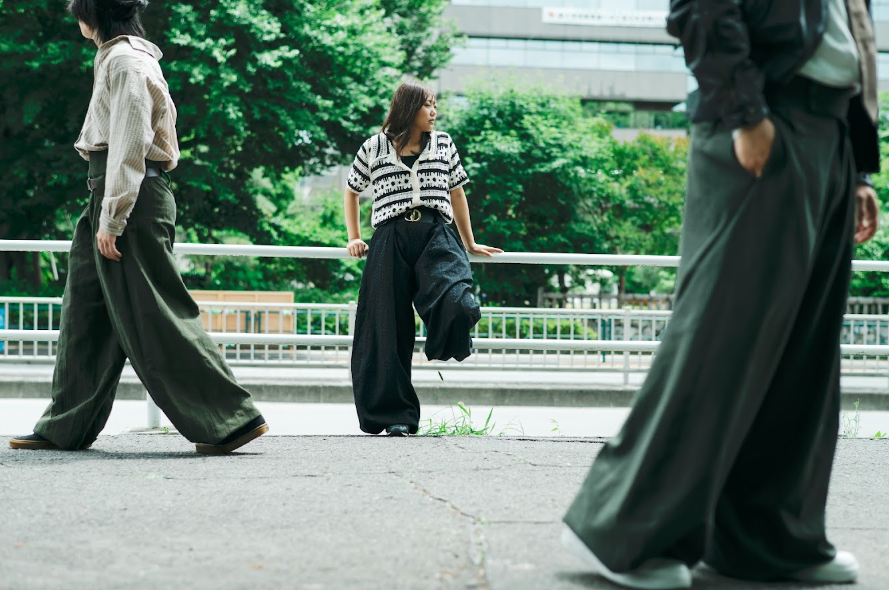
In terms of sales channels, we were able to record our first substantial overseas sales in France. We received a much greater response than we had anticipated, and we feel that we are more than we can meet everyone's needs, especially considering pricing and other factors. In the United States, we are also seeing increasing interest in our products locally, and plans for future expansion are gradually becoming more concrete.
Qualitatively, the path to consistently delivering our products overseas, which has been our long-held goal, is gradually becoming clearer through the actions of the person in charge. I am also grateful for the relationship we have, where I can easily consult with them.
On the other hand, as I mentioned earlier, there were times when we felt that our progress was slow. However, the unexpected expansion, such as being featured on television while working on our overseas expansion, was a pleasant surprise.
Please tell us about anything you've noticed while using it, and any changes that have occurred within your company.
The biggest change is that overseas exports have become much more accessible. Before implementing this, we thought that overseas markets were a world we could never reach. But now, it's become something we can achieve.
We also gained valuable insights into product development. The person in charge offered various suggestions from an international perspective, allowing us to see cultural differences that we wouldn't have noticed just by staying within our own company. For example, during our initial crowdfunding campaign, they suggested filming in the streets of Asakusa. Until then, padded hanten jackets had typically been marketed as warm clothing for home use. But then, seeing people from overseas wearing them stylishly, and incorporating dance into promotions, presented them as "fashionable clothing from abroad"—this was truly an eye-opener for us.
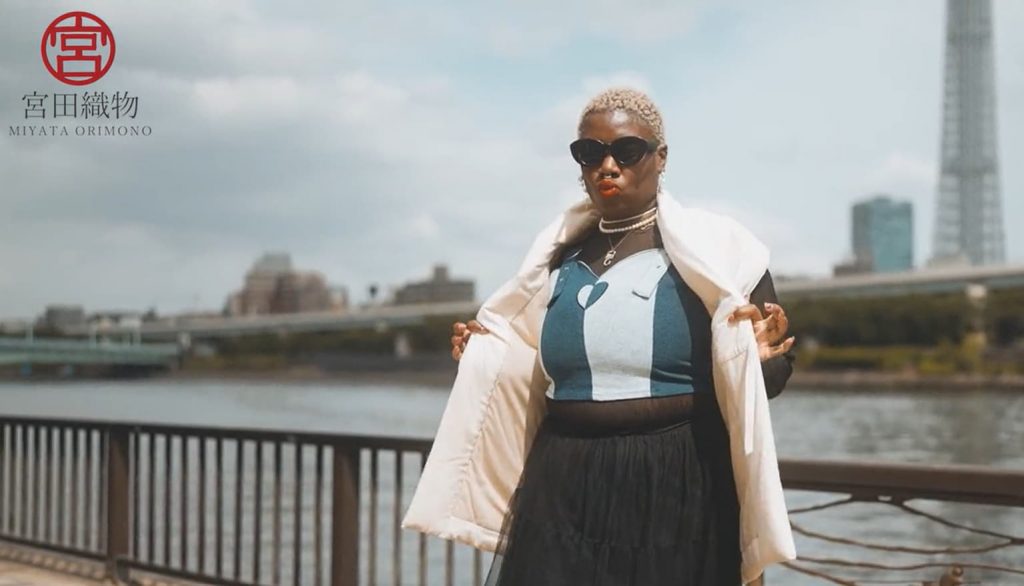
If we were doing everything ourselves in Kyushu, we wouldn't have come up with these ideas. It's true that you should leave things to the experts; I find great value in the unique perspective that STANDAGE, with their constant interaction with the international community, brings to the table.
We've also experienced its benefits in practical terms. When we previously sent items via EMS, we didn't know where to start or how to proceed on the website, and it was a very troublesome experience. In rural areas, even local shipping companies may not be familiar with international shipping. When we had to handle it ourselves in English or another foreign language, it was incredibly difficult. I also felt the language barrier when I spoke online with an overseas designer. That's why the reassurance of having a language option is so important. When we wanted to sell to France, we didn't know how to find buyers or how to hire people—they solved all those problems for us. I feel that this was the biggest benefit of adopting their service.
Please tell me which markets and products you would like to target going forward.
My first target is Paris, France. This isn't something new; Europe, especially France, has been my goal for a long time. I've always had the belief that France is the pinnacle of fashion.
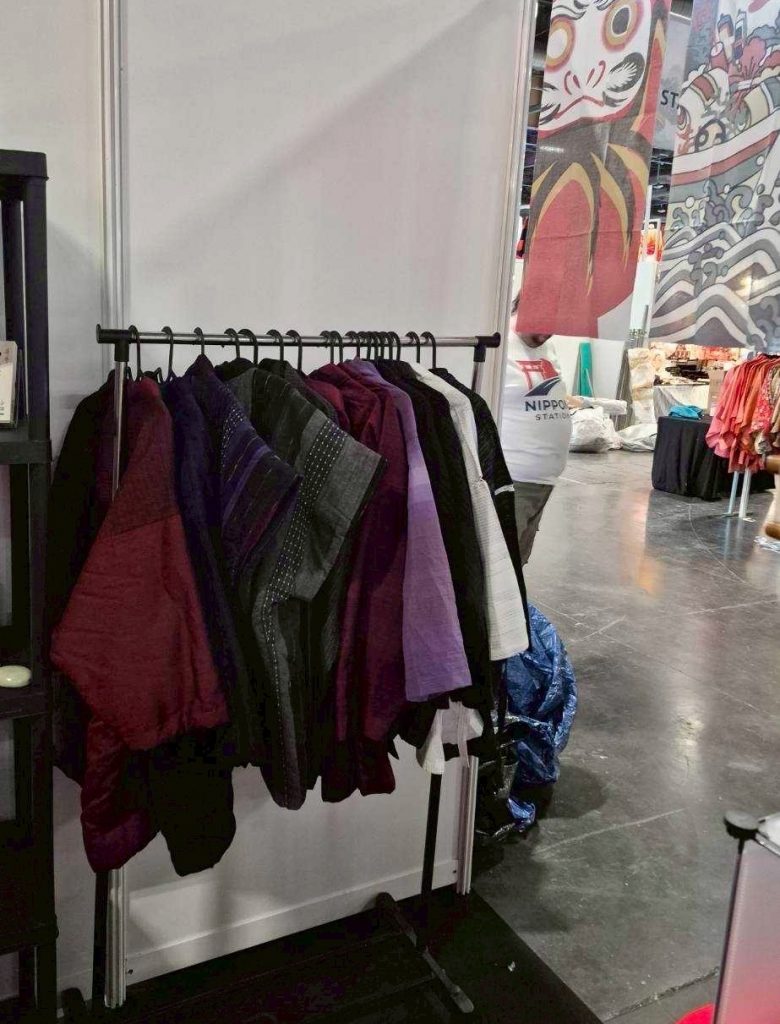
However, we don't want to expand our market indiscriminately. Just as a padded cotton jacket gradually warms the body, we want to spread our products overseas slowly and steadily. In this era of rapid clothing cycles, we want to convey the culture of cherishing and wearing one garment for a long time.
Regarding our products, we're thinking about developing items that can be used in other seasons as well, not just padded winter jackets. Originally, we were a weaving company, and we've always valued using leftover yarn in our next products. With that in mind, we also create upcycled products such as socks, five-finger gloves, multi-purpose covers, and sewing kits. We hope to eventually deliver these products overseas as well.
What are your expectations for STANDAGE over the next two years?
I don't really have any complaints. If I had to mention anything I hope for, it would be for the challenge you're currently undertaking in Paris and your next crowdfunding campaign to be a success.
And if I could ask one thing—I would really like you to come and see our manufacturing site for yourself. By experiencing the local culture firsthand, you'll get some hints about industries and sectors like this. You can only understand the good points and the challenges by being on-site. We also believe that there are things that can only be born on-site.
In one sentence, what was the reason you continued to use it for two years?
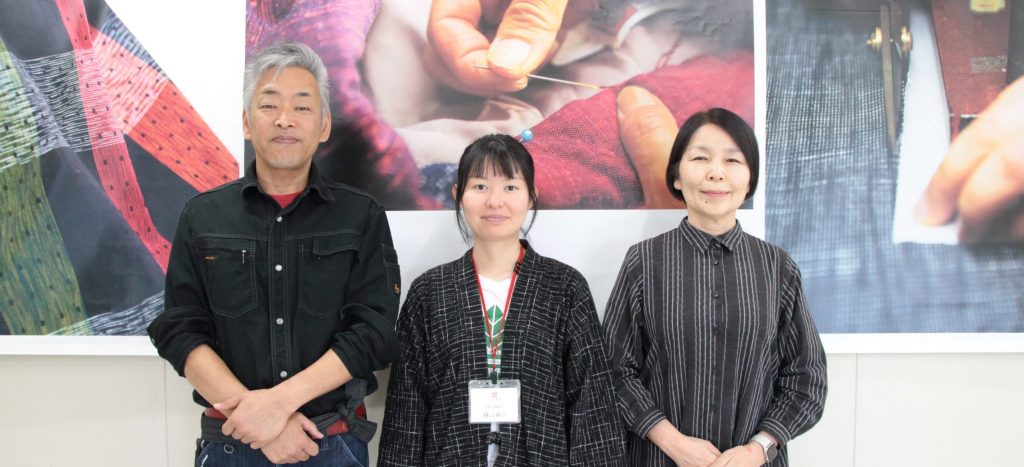
Finally, we asked each of the three of them to briefly explain their reason for continuing.
"Because the staff are so good," says President and CEO Yoshikai. He says that the relationship, which makes you feel that it's ultimately about people rather than just business-to-business, is the most important reason.
"Potential" (Director Yuasa). Their pride as a manufacturer, combined with the new product proposals from the person in charge—their willingness to work with them to develop products likely to be well-received overseas—gained a real sense of accomplishment through crowdfunding. They are now seeing the possibility of expanding into Paris. They say they felt a sense of potential in every aspect.
"Reassuring and reliable," says Mr. Higuchi. He says that the quick response time and thorough answers to questions are what build trust.
After two years, a new renewal contract has been signed. Miyata Textile's challenge truly begins now.

Other recommended implementation examples
-


Manufacturer
Daiichi Eizai Co., Ltd.Mr.
A long-established manufacturer of hygiene and nursing care products takes on the challenge of "exporting from scratch."
-

Manufacturer
CUC CorporationMr.
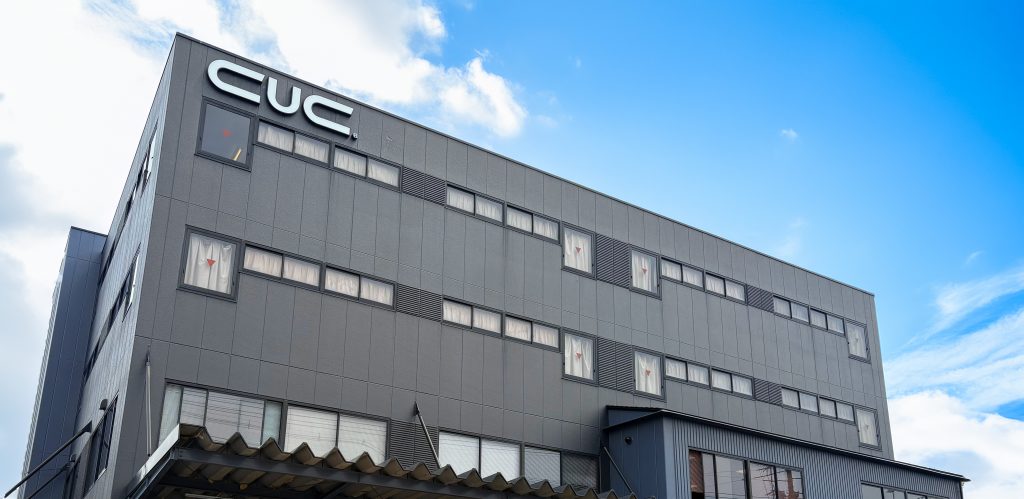
"Where and how to expand?" — Solve your workwear global expansion challenges with 'Omakase Trading'.
-

others
Oubun Printing Co., Ltd.Mr.
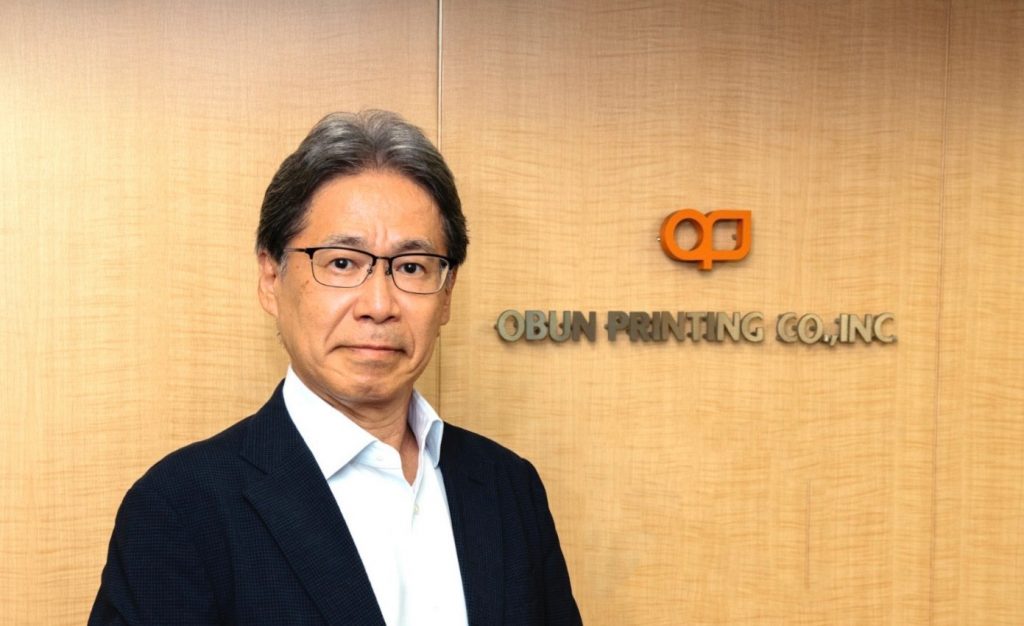
Oubun Printing accelerates its entry into the global market with support from STANDAGE—aiming to cultivate new markets with highly original products.
-
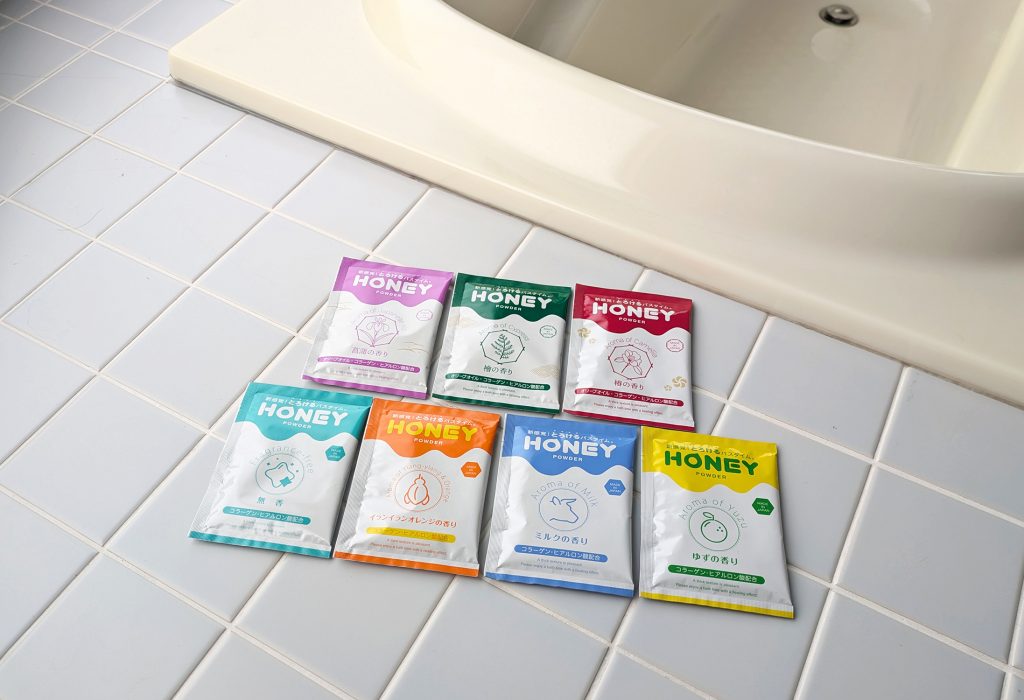

Manufacturer
Garden Co., Ltd.Mr.
A new challenge for the adult goods industry: The first step in overseas expansion realized through "Omakase Trading" (a service that handles overseas expansion).
-
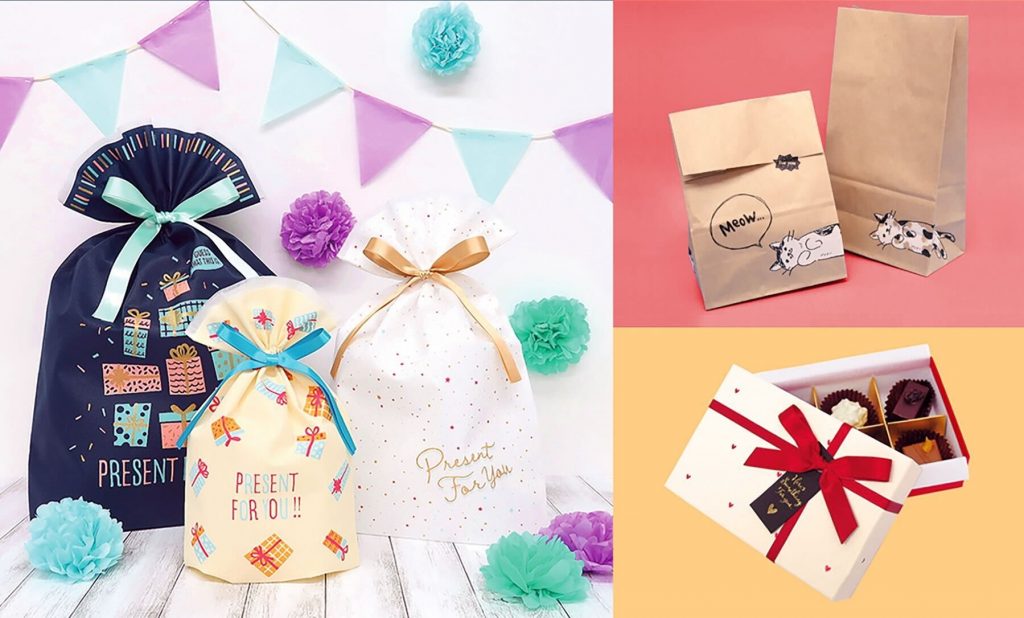

IT and Software
Indigo Co., Ltd.Mr.
Professionals in the stationery and general merchandise industry talk about the "true partners" they needed for overseas expansion.
-
Manufacturer
Miyata Textile Co., Ltd.Mr.
Bringing 100 years of craftsmanship to the world: A long-established textile manufacturer takes a step towards building overseas sales channels.
Documents