English
  Japanese
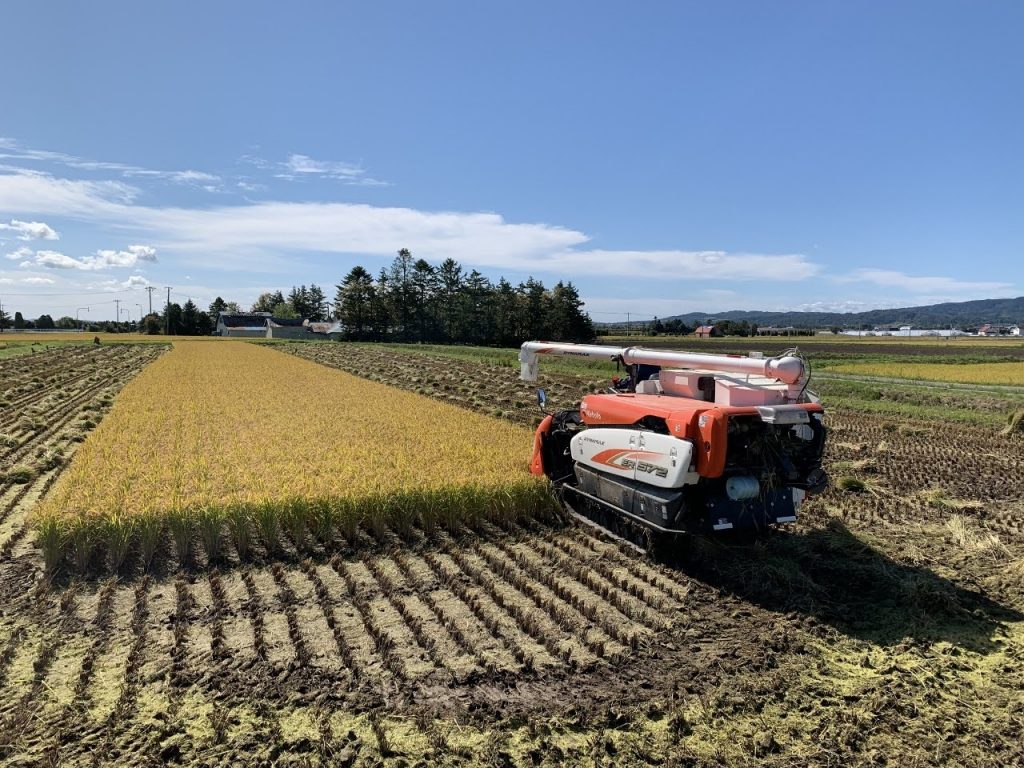
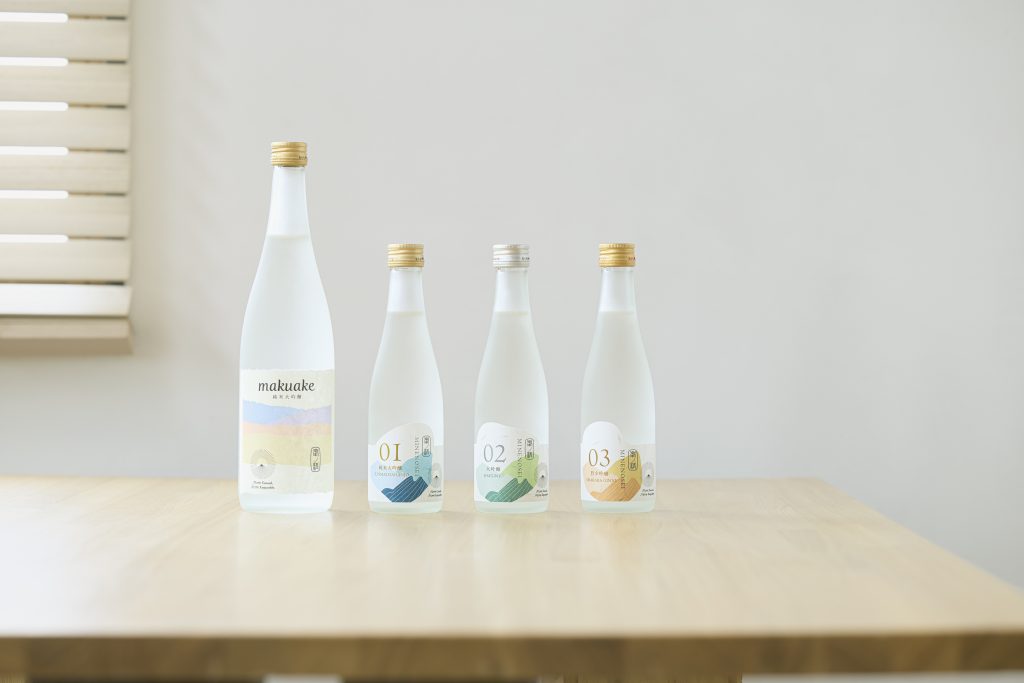
Starting from scratch in sake exports: Taking the first step towards new possibilities with "Omakase Trading"Anao Holdings Co., Ltd.
Anao Holdings Co., Ltd. operates a wide range of businesses, from funeral services to agricultural production, rice sales, and regional revitalization. As a group that "continues to adapt to social changes," the company recently embarked on a new challenge: a sake business in collaboration with a sake brewery. For its overseas export venture, it chose STANDAGE's "Omakase Trading" service.
assignment
- Lack of experience in overseas exports leads to a lack of clarity in business procedures.
- Lack of speed and flexibility when using public institutions for trade-related business.
- Lack of specialized personnel and expertise in trade operations
current situation
- Creating business opportunities through on-site support at trade shows.
- Securing comprehensive support from sales strategy to after-sales service.
- Deepening internal understanding through visualization of practical workflows.
Could you tell us what led you to introduce STANDAGE's automated trading service this time?
We were originally a company that did not engage in trading. However, through a fortunate turn of events, we entered the sake brewing business, and one day, out of the blue, the idea of "trying exporting" came up. That said, we had absolutely no knowledge of trade within the company. We didn't know where to start, and we were truly starting from scratch.
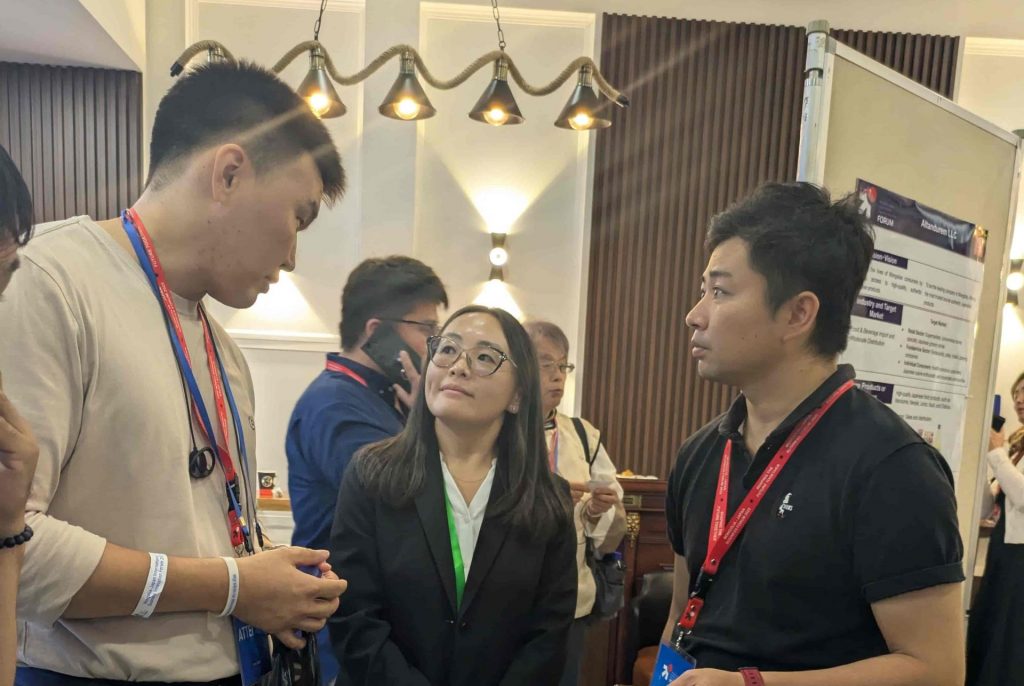
Amidst this situation, our company president participated in the "Consortium for Promoting Exports of Japanese Sake and Alcoholic Beverages," organized by the National Tax Agency, and attended a business meeting in India. Although we received positive responses from local luxury hotels, such as "We would like to buy it if it can be delivered," we faced a major obstacle: the crucial procedure of "how to ship it to India" remained unclear.
Around that time, during a casual conversation with a bank representative, I learned about STANDAGE's "Leave it to us trading" service. It was significantly faster than consulting with a public institution, and it allowed us to completely delegate the process. I felt that its flexibility was exactly the service our company needed at that time.
What exactly did it entail?
What was particularly impressive was the support we received at "FOODEX JAPAN 2025," a trade show held in Japan (featuring 2,930 food and beverage manufacturers and trading companies from 74 countries and regions worldwide, with 3,738 booths). The STANDAGE representative went beyond mere interpretation, explaining our products with such enthusiasm that it was as if they were their own. It wasn't just support; it was truly a case of "working alongside" our customers. Their deep understanding of our products and high level of on-site responsiveness are something you wouldn't get from a typical translation agency or trade agent. Furthermore, they thoroughly covered areas where our own resources would have been insufficient, such as handling inquiries and providing after-sales support.
I feel like I've gone from not knowing where to start to suddenly having a clear picture of the necessary processes and the overall scope of the work.
What results have you achieved since implementing it?
While it will still take time to build a substantial export track record, participation in trade shows and other events has steadily generated opportunities for business negotiations with overseas partners, and we have received positive feedback on the appeal of our products. In particular, the speed and flexibility in providing on-the-ground solutions, which are difficult to obtain from public institutions, were extremely reassuring for companies venturing into exports for the first time.
What kind of support do you expect from Omakase Trading in the future?
Our goal for the next two years is to build a solid track record of export achievements. We hope that you will continue to work alongside us as part of the same team. We are currently receiving referrals for potential projects, but some have not yet materialized into actual business negotiations. Moving forward, if we can deepen our collaboration by building a stronger understanding of the products and providing more in-depth sales support and negotiation assistance, we believe we can build an even stronger partnership.
Comment from Mr. Tonami of Anao Holdings
At first, we truly had no idea where to begin. But after discovering "Omakase Trading," trading became much more accessible. They don't just handle the tasks on our behalf; they understand our perspective and act as if they were part of our team. We have great trust in their approach. We hope to continue growing together and build a partnership to help us realize our new challenge of exporting.

Other recommended implementation examples
-

Manufacturer
Morikawa Health Co., Ltd.Mr.
How did "Omakase Trading" overcome language, logistics, and payment barriers to achieve overseas expansion?
-
Manufacturer
Ichibiki Co., Ltd.Mr.
Overseas Strategy of a 250-Year-Old Company: The Partnership Approach Chosen by a Long-Established Seasoning Manufacturer
-

Consulting
Green Design & Consulting Co., Ltd.Mr.
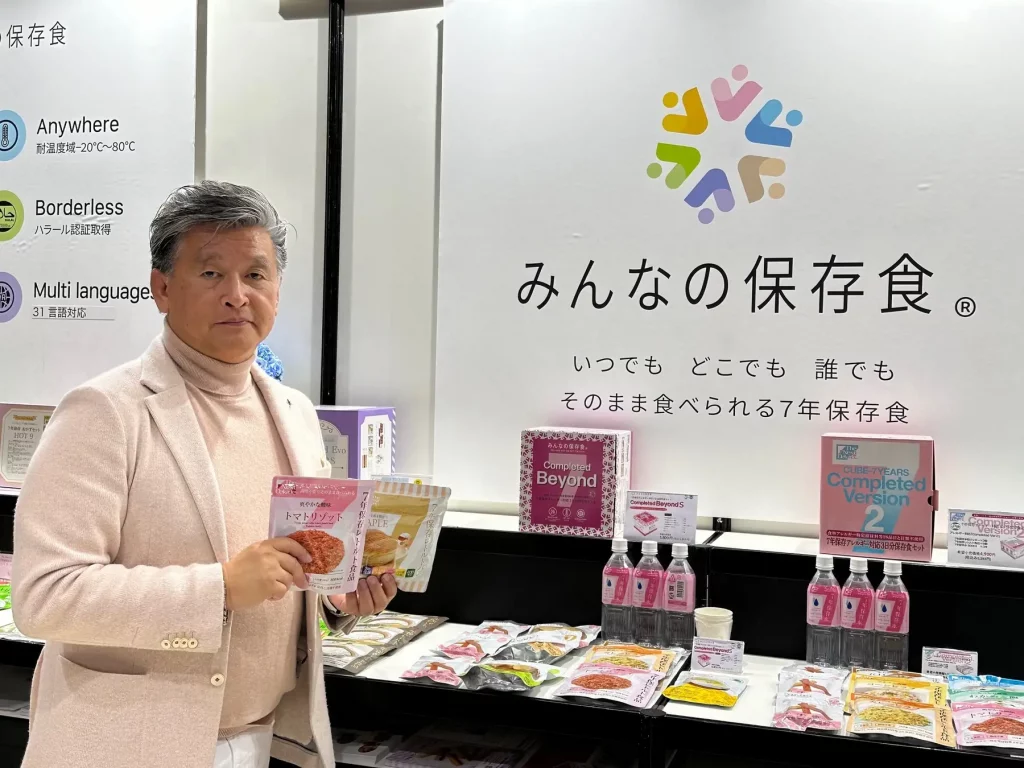
These convenient and delicious ready-to-eat meals have become popular in Southeast Asia. There is also a demand for them from food banks in Africa, which is facing a food crisis.
-

Trading companies and wholesalers
Yasui Co., Ltd.Mr.
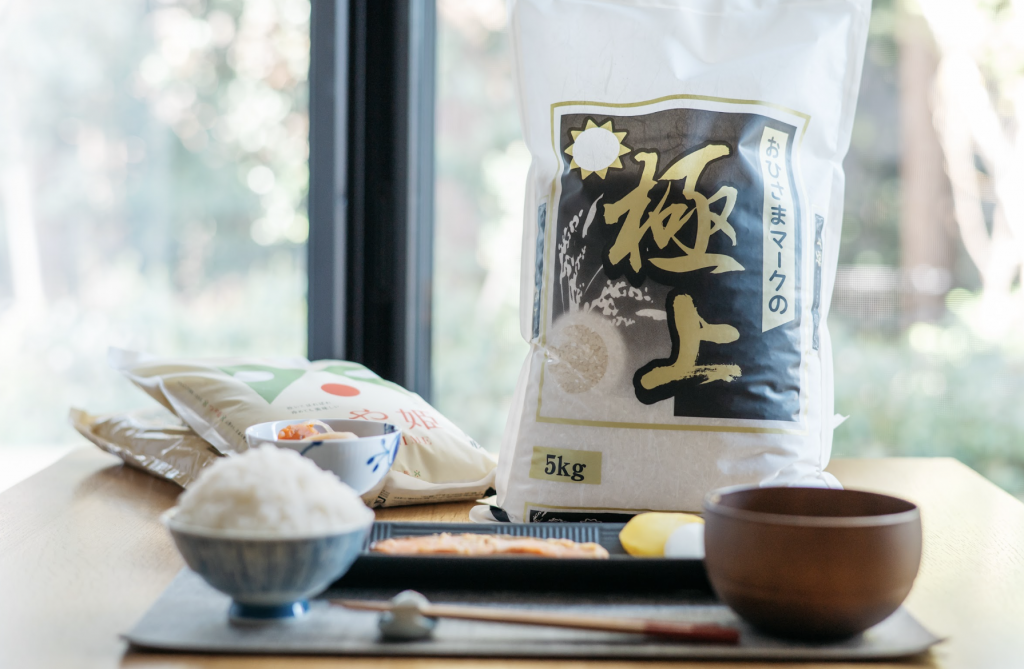
From a rural area with a declining population to the world: Wakayama rice takes on the challenge of overseas exports.
-
retail
Tora Corporation Co., Ltd.Mr.
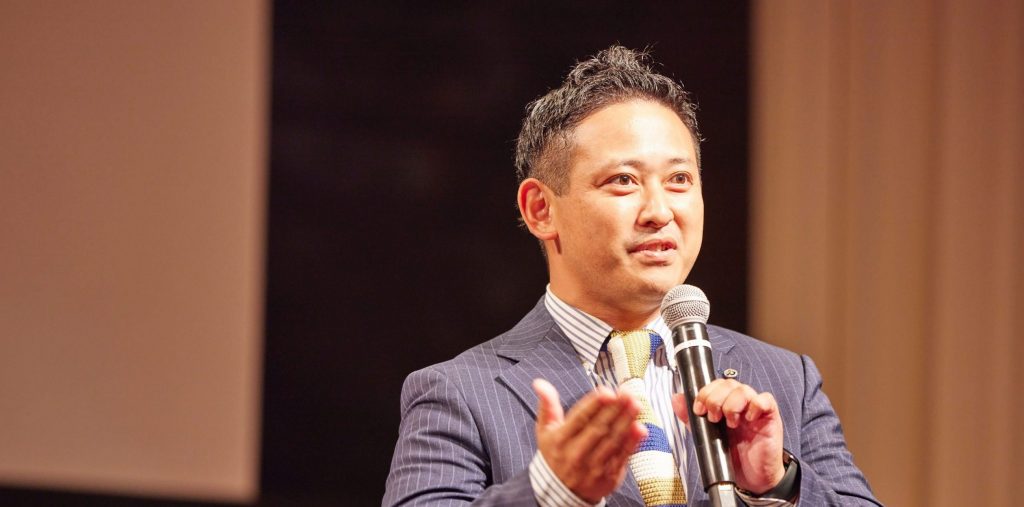
A long-established sushi restaurant takes on the challenge of expanding its frozen sushi business overseas—taking a step ahead with "Omakase Trading" (a type of automated trading service).
-
Manufacturer
Leo CorporationMr.
Until Fukushima's distilled shochu began to gain traction overseas—the reason for deciding to continue for five years
Documents