English
  Japanese
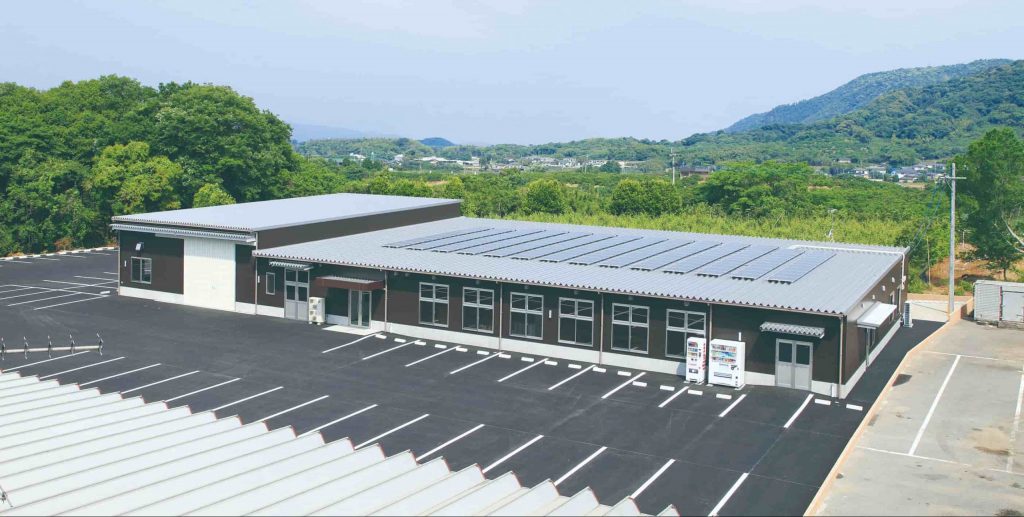
Exporting locally sourced agricultural products overseas without increasing staff—the changes that 'Omakase Trading' has brought to a food e-commerce company in KumamotoOshimaya Co., Ltd.
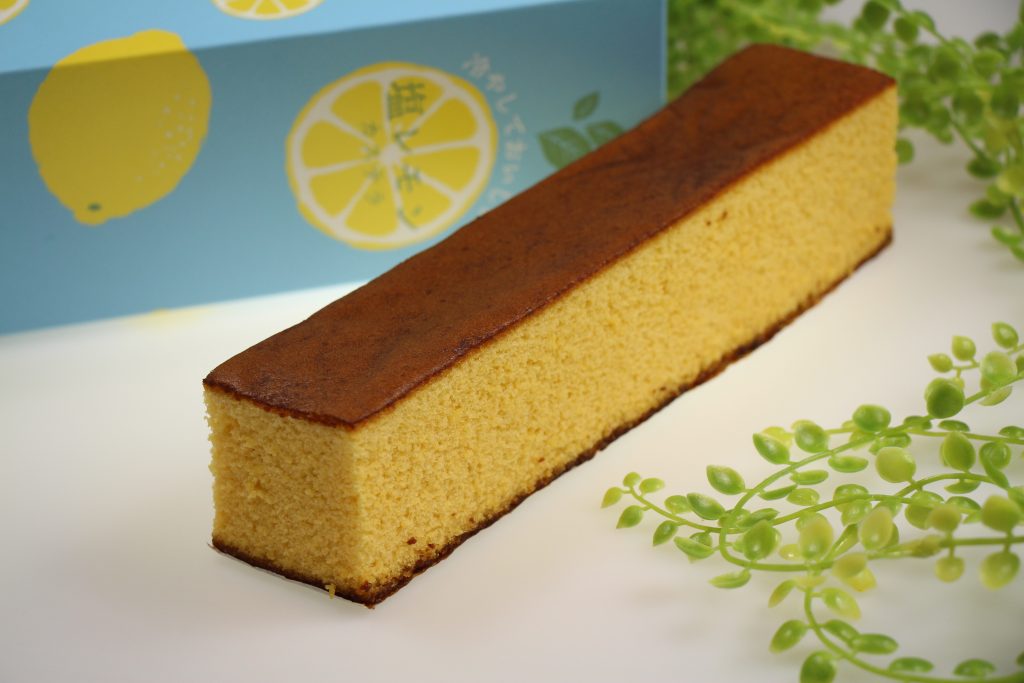
Oshimaya Co., Ltd., founded in 1991 (established in 1993), is a direct-to-consumer mail-order company headquartered in Uki City, Kumamoto Prefecture. With direct contracts with over 450 farmers nationwide, the company prioritizes delivering high-quality products quickly and affordably to consumers, bypassing markets and supermarkets. Its main products are agricultural goods, including fruits, and while its domestic mail-order business is its core focus, in recent years it has also begun exporting products such as salted lemon castella cake and apple juice overseas.
assignment
- We have no export experience or specialized personnel, and we don't know where to begin.
- We are unable to make a marketing decision on which products to expand overseas.
- We lack the know-how to handle practical matters such as contracts, currency exchange, and interpretation with local buyers.
current situation
- We are currently conducting overseas business negotiations in parallel without increasing our staff.
- Progress towards shipping samples to Hong Kong and Taiwan.
- Local feedback provides hints for new product development.
Could you tell us what led you to introduce STANDAGE's automated trading service this time?
We had always wanted to try exporting our main product, fruit, overseas. However, there were high hurdles to exporting fruit itself, such as pesticide standards, production volume issues, and short shelf life, so we couldn't take the plunge. Then, TSMC's expansion into Kumamoto made us realize the inbound demand from Taiwanese people, and we felt that it was time to look overseas. On the other hand, we also faced domestic challenges such as rising labor costs and decreased production due to land conversion, which made us even more aware of the need to expand overseas.
There were three main challenges. First, we lacked personnel with export experience and specialized knowledge. Second, there was the difficulty of making marketing decisions about which products to sell, and the sense of risk associated with investments whose results were uncertain. Third, there were the high practical hurdles, such as drafting contracts with local buyers, dealing with exchange rate risks, and the need for interpreters. Honestly, at the time, I wished there was a service that could handle everything for us.
Amidst all this, I happened to come across STANDAGE's "Leave it to us trading" service on Facebook. After actually hearing more about it, I became convinced that they could comprehensively support the challenges we were facing, and decided to implement it. Prior to that, we had participated in local business meetings organized by local financial institutions, bringing products such as dekopon oranges, jelly, and canned goods, but we felt a cultural gap and keenly realized the difficulty of expanding overseas on our own.
What exactly did it entail?
The biggest advantage is that business negotiations can proceed without having to travel to the location. Also, the fact that we can deliver the products within Japan means we don't have to worry about exchange rate risk, which is a huge benefit. The opportunity for customers to actually sample the products on-site is something we couldn't do on our own, and we are extremely grateful for it.
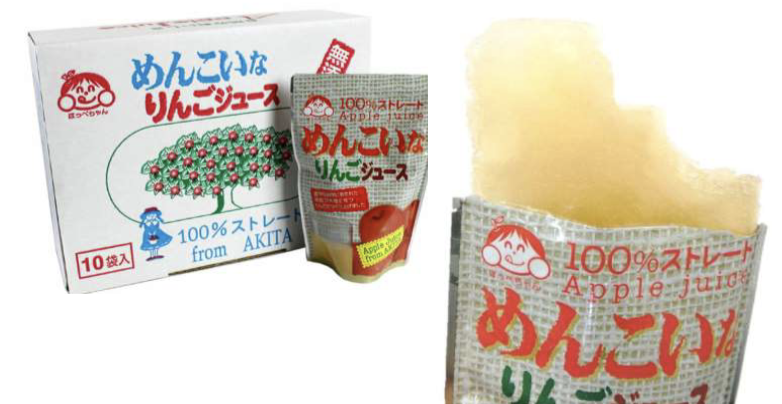
Initially, there was only one person in charge, but the team has gradually grown stronger. The person in charge visits the site and directly shares market trends and pricing information, which makes it very clear and provides a sense of immediacy. We also appreciate that the reports go beyond simple progress updates and include specific improvement suggestions. For example, feedback such as "It would be good to put a cap on the apple juice pouches" or "Castella cakes should be individually packaged" is practical and can be directly shared with the development team.
What stands out in my memory is the apple juice project. It was originally a product sold domestically, but after receiving information from the STANDAGE representative that there was high demand for apple juice locally, we decided to expand overseas. Since then, we've seen unexpected developments, such as considering direct transactions with our supplier factories and exploring partnerships with apple farmers in other prefectures.
What effects have you seen since implementing it?
The biggest benefit is that we've been able to develop overseas sales channels without increasing our staff. I feel that being able to run our overseas business as a separate business unit, almost as a side project while working on other businesses, is only possible thanks to STANDAGE's support.
Furthermore, the fact that we've gained hints for new product development is a pleasant surprise. If we can develop export products with extended shelf lives by processing agricultural products based on feedback from overseas buyers, it will also benefit our contract farmers. I feel that our overseas business may become a new pillar of support for farmers.
What kind of support do you expect from Omakase Trading in the future?
Receiving continuous information on currently popular products and food trends in the region would be directly useful for new product development. While establishing our presence in Asia, we eventually want to expand into Europe and America from a market size perspective.
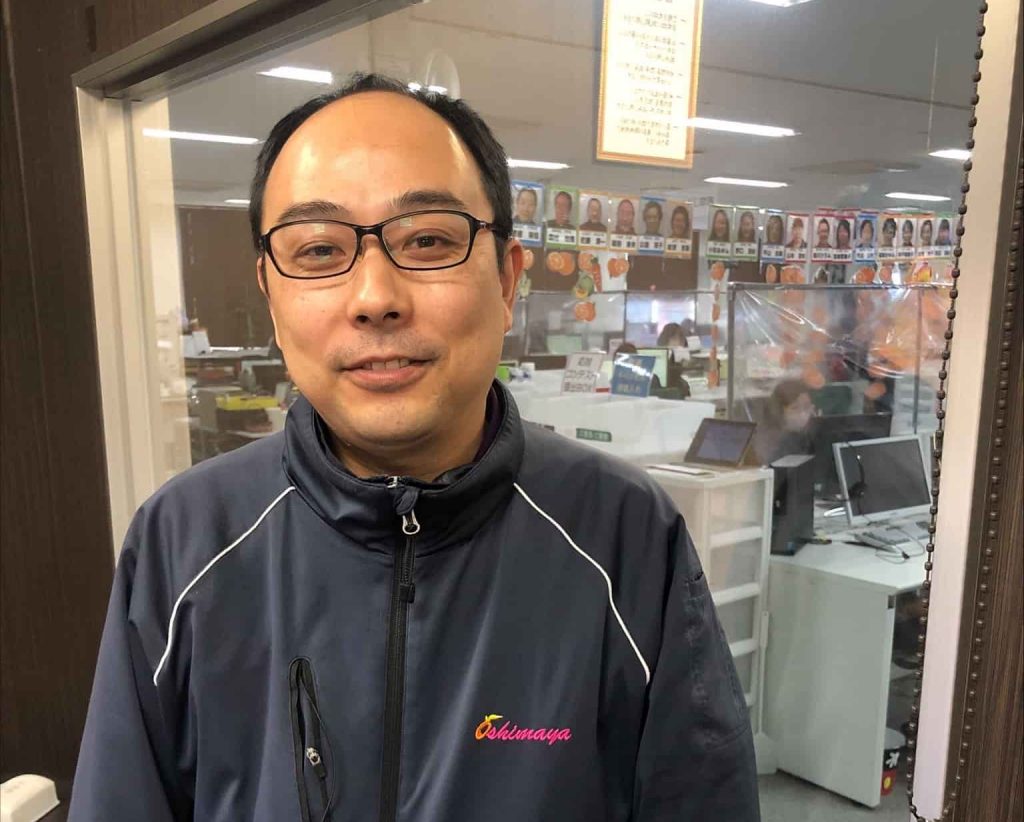
Comment from Mr. Takaine of Oshimaya Co., Ltd.
This service is especially worth considering for companies that haven't yet ventured into overseas markets. For companies facing increasing competition in the domestic market and rising labor costs, looking overseas can be a solution. However, it's natural to feel anxious about something you've never done before. That's where "Omakase Trading" comes in. Even companies with limited financial resources can expand overseas while keeping costs down by collaborating with a partner like STANDAGE. I myself feel confident that I can manage overseas operations on my own as the head of overseas business.

Other recommended implementation examples
-
Manufacturer
Inoue Umeboshi Foods Co., Ltd.Mr.
Exporting tradition: A pickled plum company's vision for "the world with plum wine"
-
retail
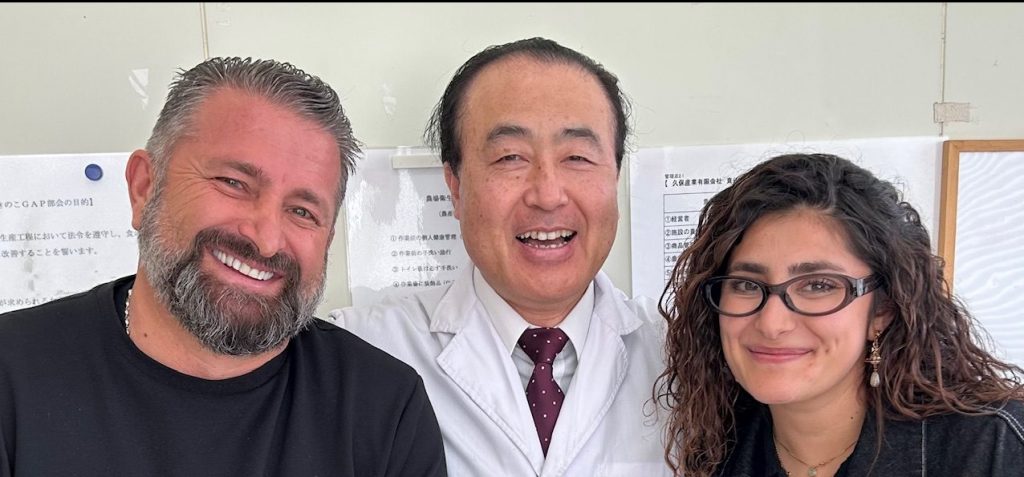
Kubo Sangyo Co., Ltd.Mr.
Overcoming the "export barrier"—Small and medium-sized agricultural corporations have found a way to expand overseas.
-

Manufacturer
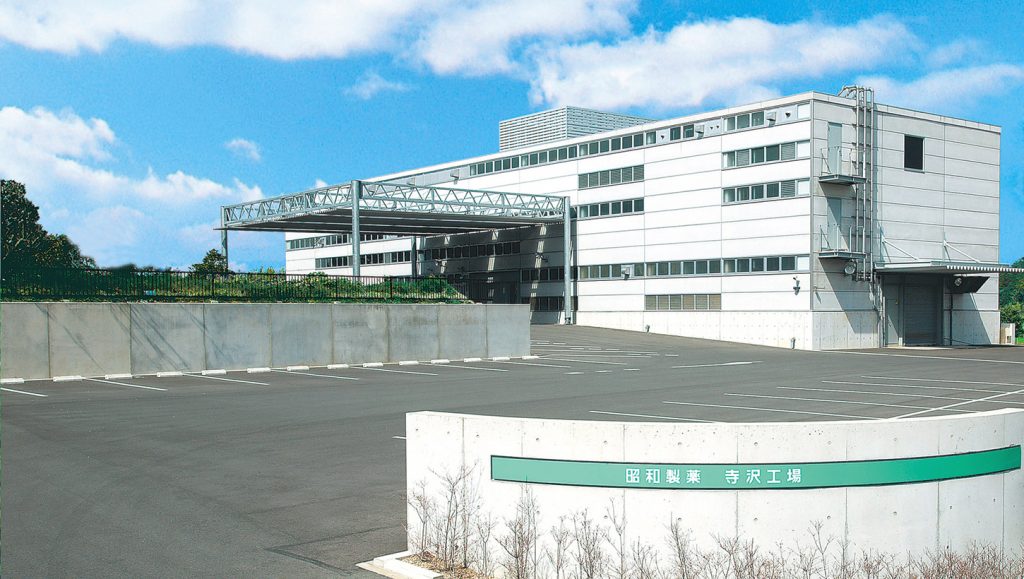
Showa Pharmaceutical Co., Ltd.Mr.
"We might not be able to do it..." - How a "health-focused" SME's overseas venture changed that perception.
-

others
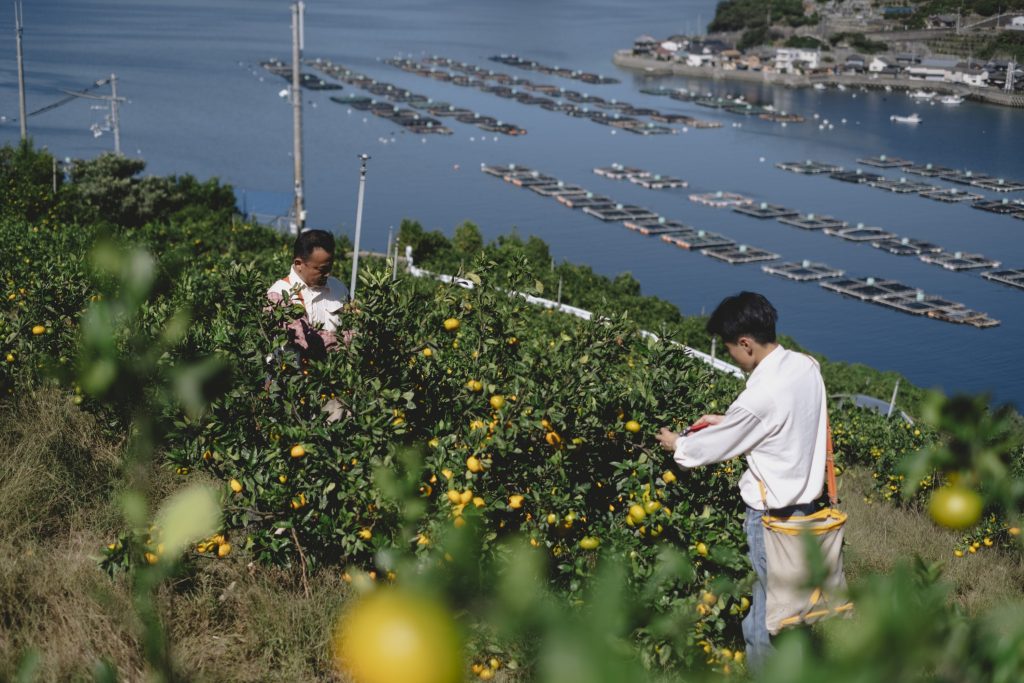
Shinguchi Farm Co., Ltd.Mr.
Beyond the Limits of the Domestic Market: A Long-Established Mandarin Orange Farm Takes on a Second Orchard: Overseas Expansion
-

retail
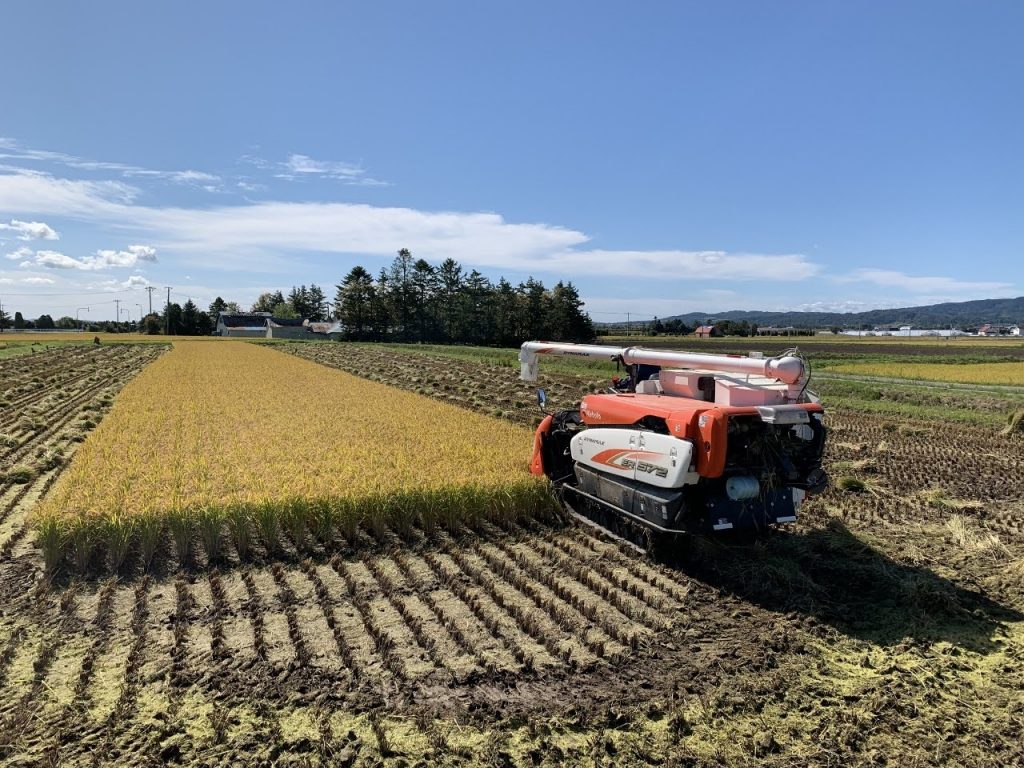
Anao Holdings Co., Ltd.Mr.
Starting from scratch in sake exports: Taking the first step towards new possibilities with "Omakase Trading"
-

Trading companies and wholesalers
Towa Co., Ltd.Mr.
A move to expand the pillars of the business: An import trading company takes on the challenge of exporting food products from scratch.
Documents