English
  Japanese
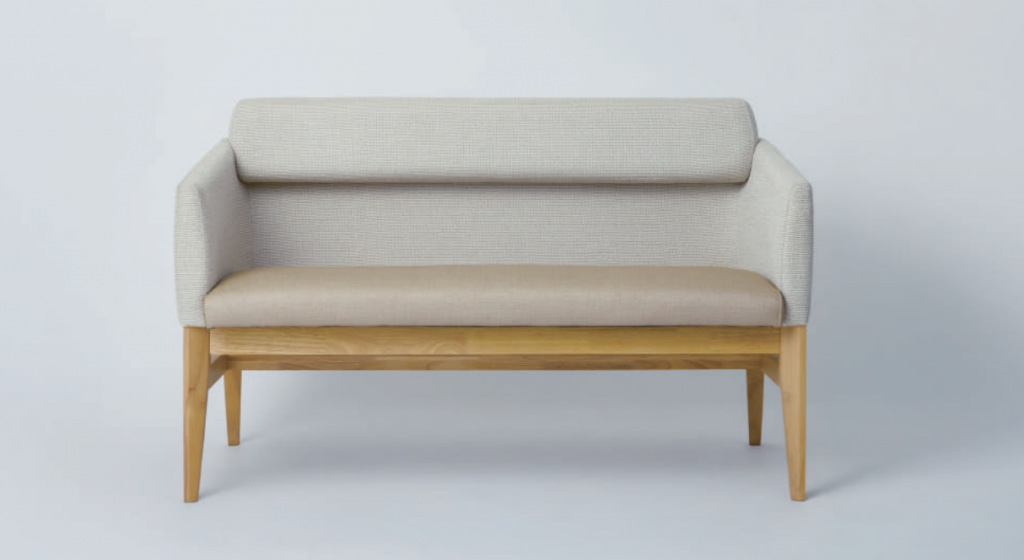
Confidence in their own products translates into success overseas—the move chosen by a furniture manufacturer.LABOT Co., Ltd.
LABOT Co., Ltd., headquartered in Shinjuku-ku, Tokyo, has been planning, developing, and selling original store fixtures such as cash registers and the "BAG-IN CHAIR," a chair designed to hold luggage, since its establishment in 2005. Based on the concept of "making what you wish existed a reality," this small but elite manufacturer excels at creating products with ideas not found in mass-produced items. They have adopted STANDAGE's "Omakase Trading" service and are working towards expanding their chair business overseas.
assignment
- Domestic demand was limited, and they felt there were limits to expanding their market share.
- I was worried about expanding overseas without any knowledge of international trade, language skills, or experience.
- The style and target areas of the support organizations we consulted in the past did not suit our company.
current situation
- We are establishing connections with new clients.
- We have entered the stage of building a track record of installations in showrooms and other similar locations.
- I feel reassured by the support I receive in terms of trade knowledge and risk hedging (insurance, etc.).
- In addition to securing contracts within the contract period, we are also developing strategies that look ahead to continued wholesale business beyond that point.
Could you tell us what led you to introduce STANDAGE's automated trading service this time?
As we built up our sales record domestically, we began to feel that our chairs had the potential to be successful overseas as well. Domestic demand itself is limited, and there are limits to how much market share we can expand. So, we decided to broaden the market itself.
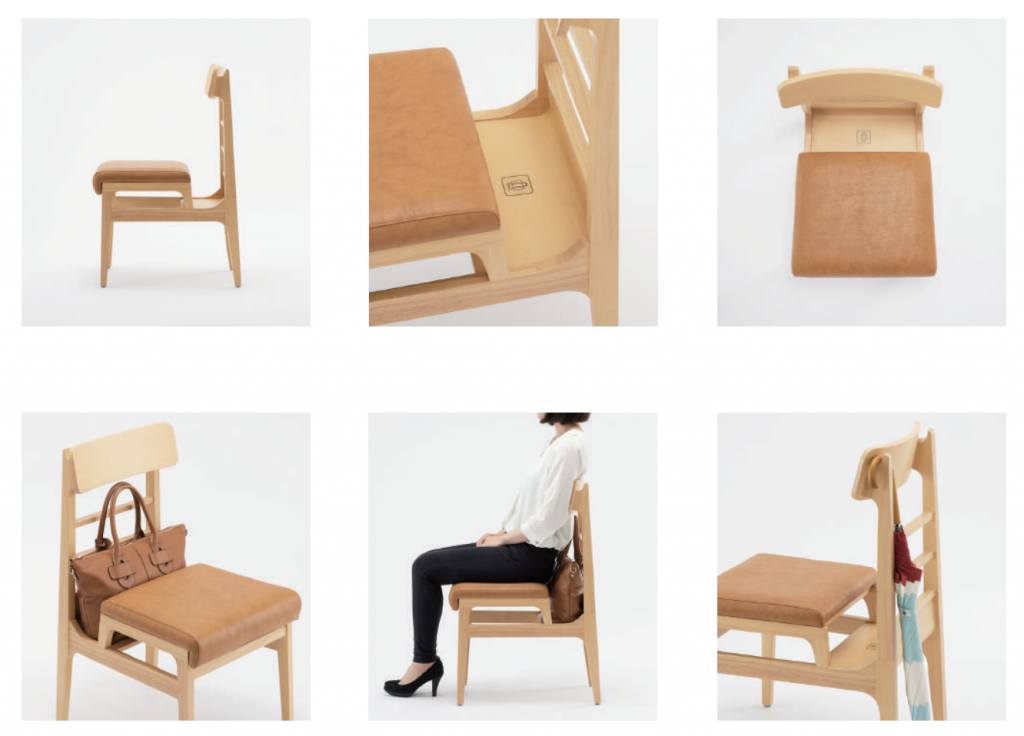
Actually, at trade shows and other events, I sometimes heard from people with experience in overseas expansion that "overseas is difficult," but that only encouraged me to "give it a try." We received inquiries via the web from Taiwan and Hong Kong, were introduced to a buyer in France by a support organization, and received an inquiry about chairs from a sushi restaurant in Dallas, among other positive responses. I think each of these events encouraged us to seriously consider expanding overseas.
I had previously attended seminars by several aid organizations, but their "we'll support you if you do it yourselves" approach didn't quite fit our preparation situation at the time. One aid organization focused its support primarily on Asia, which differed from our target of developed countries with high levels of security and cultural sophistication.
Afterwards, I researched STANDAGE beforehand at an exhibition supporting overseas expansion, and attending a seminar at the same exhibition was the direct trigger for signing a contract. There were no other services that allowed us to entrust all aspects of trade operations to them, and the fact that we could proceed with overseas sales even with zero trade knowledge, language skills, or experience was the deciding factor.
What exactly did it entail?
Our current main focus is on sending out samples to coincide with trade shows in New York, USA, and responding to inquiries from buyers in that region. We are currently considering expanding our business primarily in the USA, Germany, and France.
While the person in charge at STANDAGE doesn't have specialized knowledge of the furniture industry, I highly value their personality and their willingness to understand our objectives. To be honest, I would be in trouble if they were replaced. I have the impression that they are steadily working on our project. The frequency of our meetings is not particularly high, being once a month, but they always provide us with a thorough progress report, so I have never felt dissatisfied.
What effects have you seen since implementing it?
To successfully distribute our products overseas, we believe it's necessary to build a logical track record by creating a compelling narrative, and we are currently in the midst of that journey. To ensure our products are understood in our target countries, it's essential to gradually increase our number of installations. We are planning to have our chairs installed in a sushi restaurant in Dallas. By increasing usage scenarios through installations in showrooms and other locations, we hope to build trust in our products and ultimately drive sales.
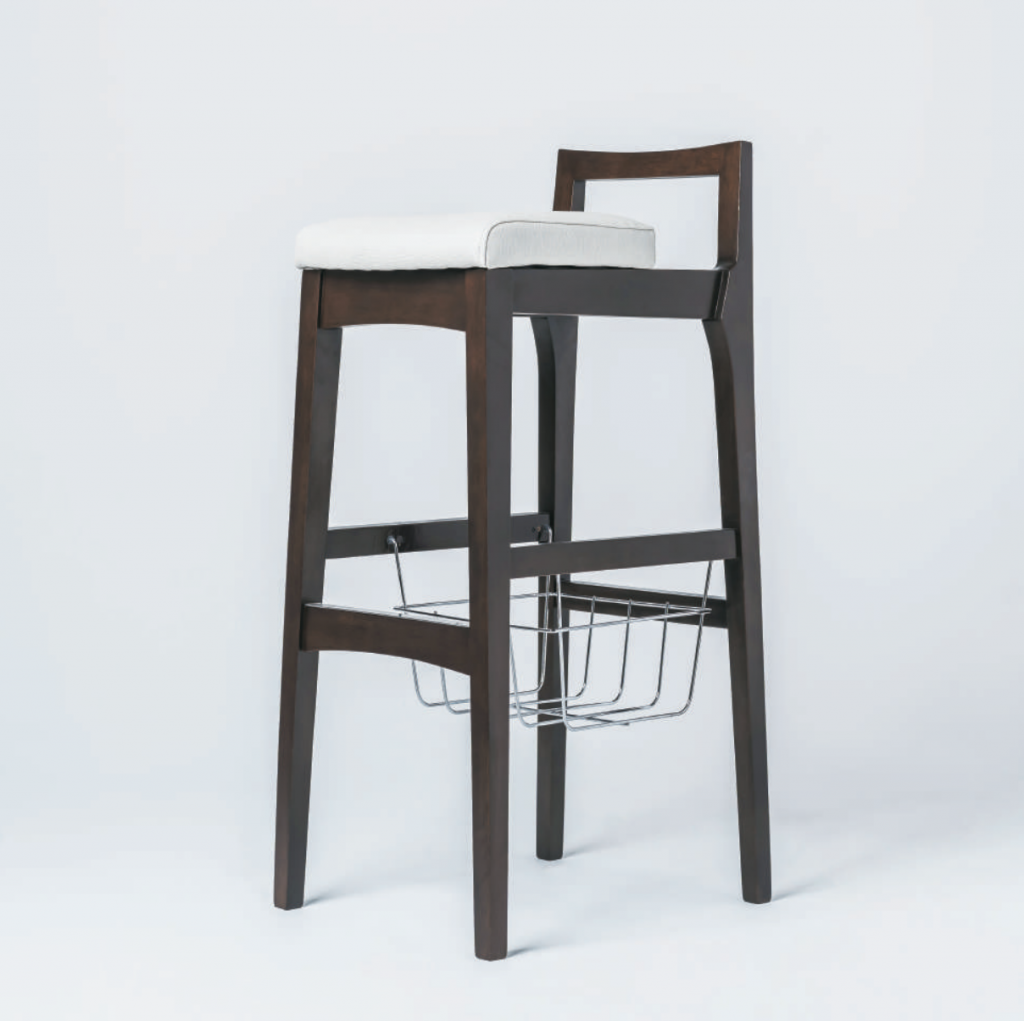
While there haven't been any major changes to the company's internal structure, it's helpful to have someone fill in the gaps in our knowledge of international trade. The support we receive in terms of risk hedging, such as trade-related insurance, is also reassuring.
What kind of support do you expect from Omakase Trading in the future?
Ultimately, our goal is not to establish our own sales offices overseas, but rather to find local wholesalers and partners in the same industry who will continue to sell our products to us.
While we certainly aim to close the deal within the contract period, we are also looking beyond that to developing a long-term wholesale relationship. We share with STANDAGE our policy of being willing to build a track record in countries other than our target market.
Comments from Mr. Hayashi and Mr. Nogawa of LABOT Co., Ltd.
If you have even the slightest interest in selling overseas, I recommend you just give it a try. If you're worried about transportation and trade procedures, I think it's better to leave it to STANDAGE.
It's comparable to hiring a single sales representative domestically, but in reality, you'll find their expertise and execution capabilities far exceed that level. I recommend using it with the mindset of having your own overseas business division.

Other recommended implementation examples
-

Manufacturer
Yamamoto Industries Co., Ltd.Mr.
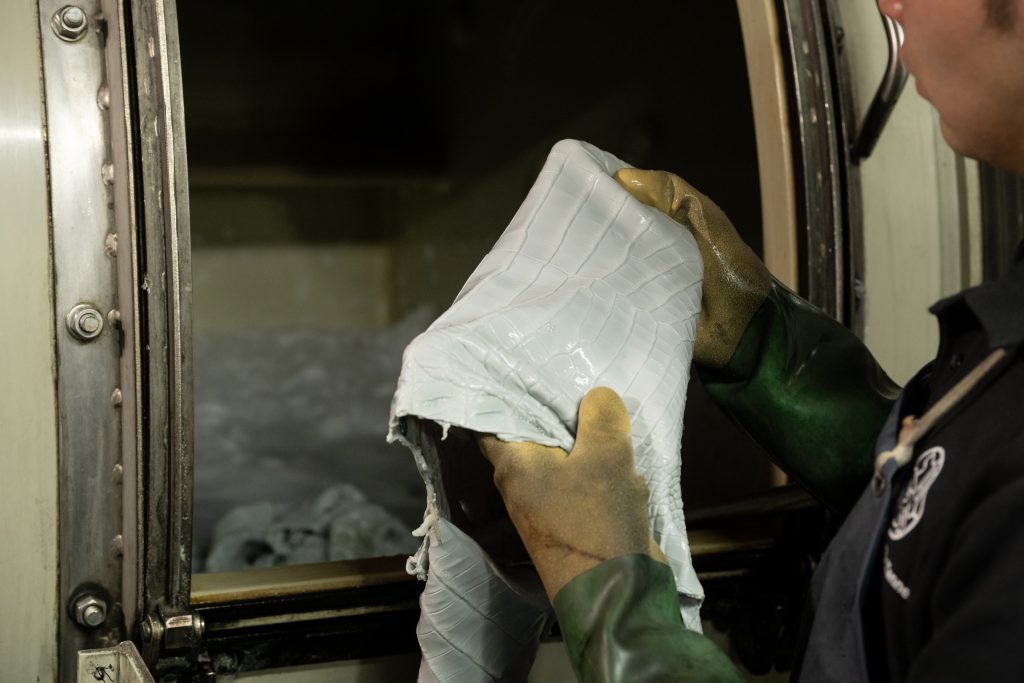
A reptile leather tanner takes on the challenge of developing overseas markets—bringing Japanese technology to the world.
-

others
Oubun Printing Co., Ltd.Mr.
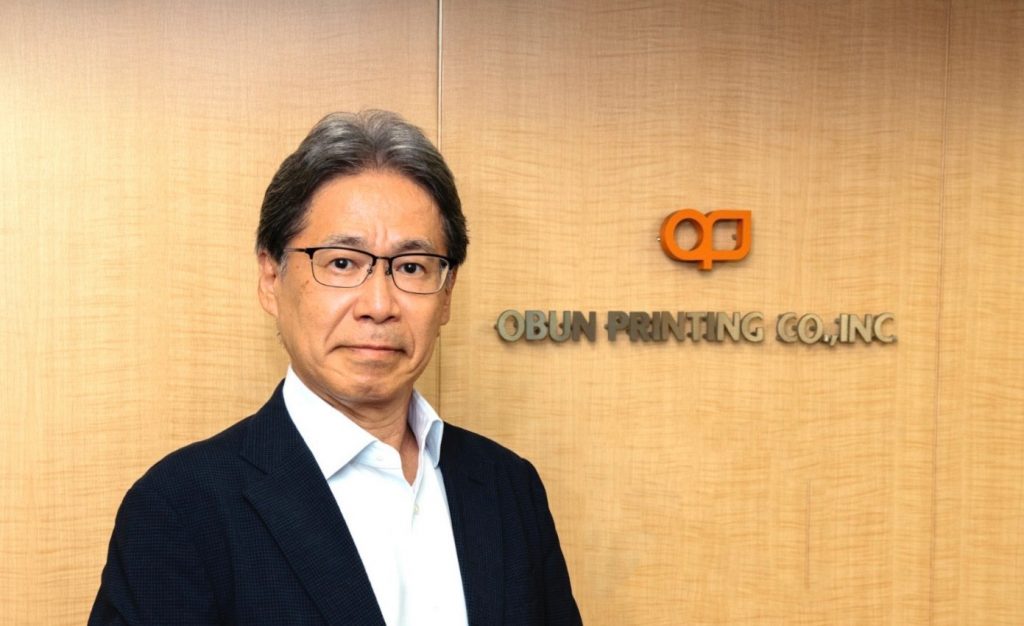
Oubun Printing accelerates its entry into the global market with support from STANDAGE—aiming to cultivate new markets with highly original products.
-

Manufacturer
Okamoto Co., Ltd.Mr.
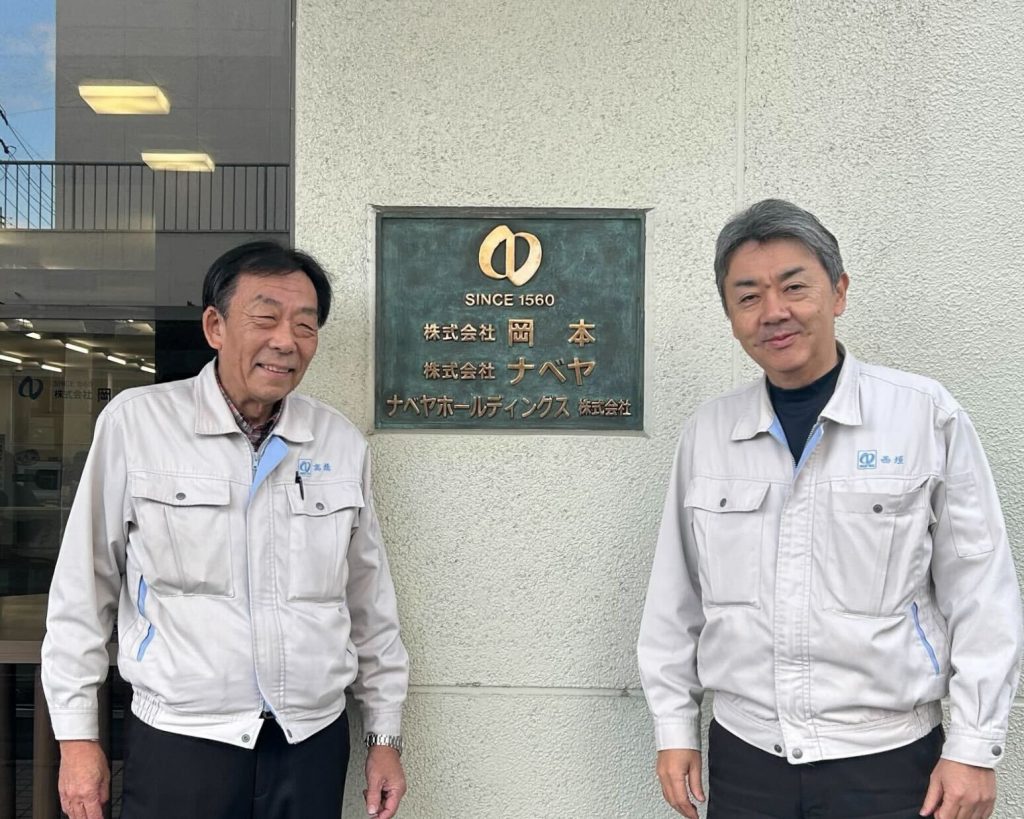
Taking on the challenge of building a trade network from scratch. Starting overseas expansion of our products with STANDAGE's "Leave it to us trading" service.
-
Manufacturer
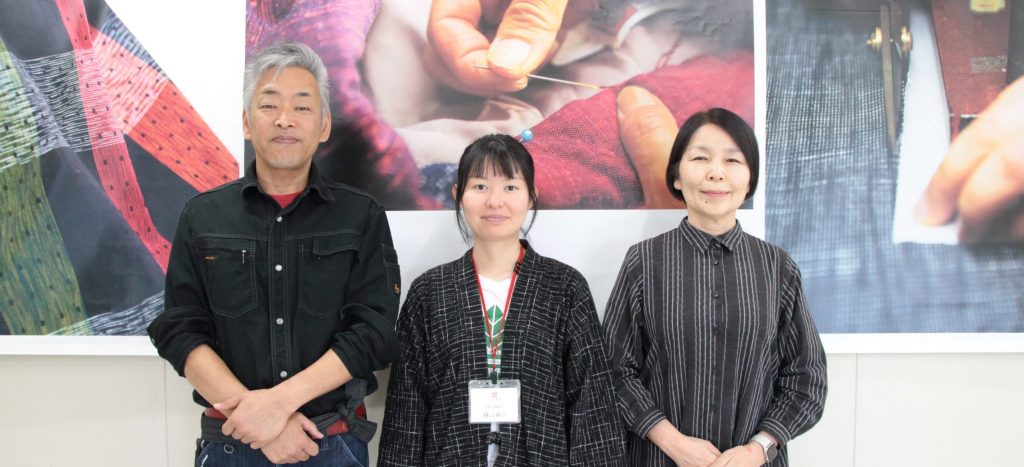
Miyata Textile Co., Ltd.Mr.
Bringing 100 years of craftsmanship to the world: A long-established textile manufacturer takes a step towards building overseas sales channels.
-

Manufacturer
YM Tech Co., Ltd.Mr.
A sports equipment manufacturer's choice to tackle the reality of small and medium-sized enterprises: "We lack people and time."
-

Trading companies and wholesalers
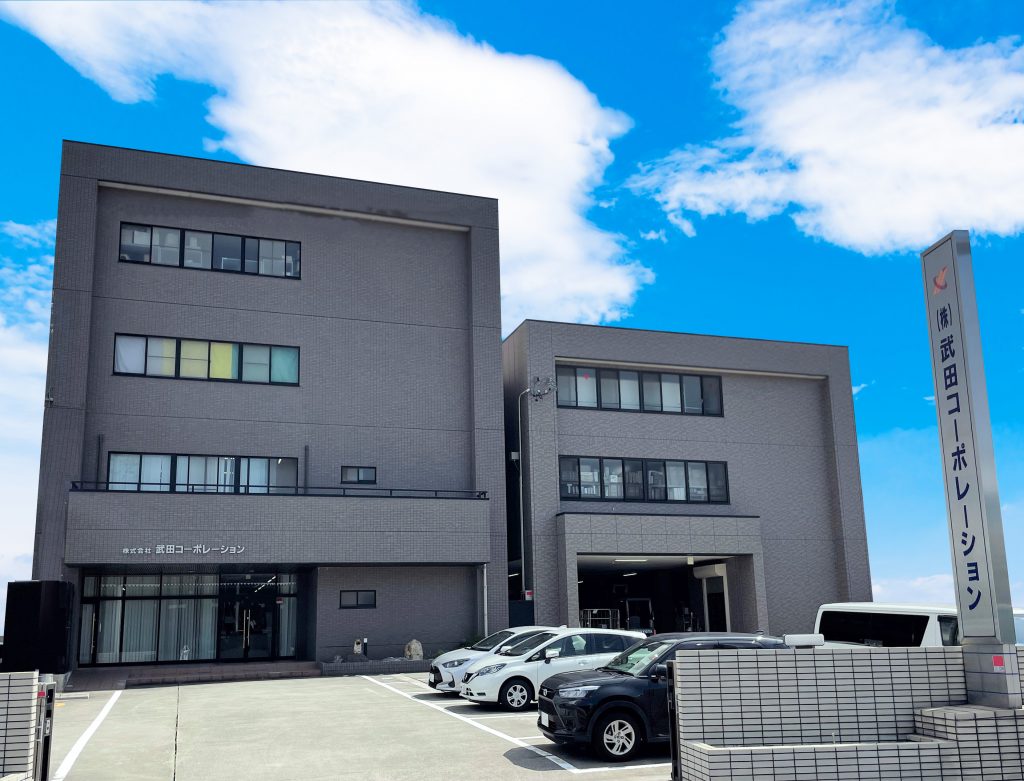
Takeda CorporationMr.
A trading company importing household goods takes on the challenge of developing overseas sales channels—a turning point towards "selling" trade.
Documents