English
  Japanese
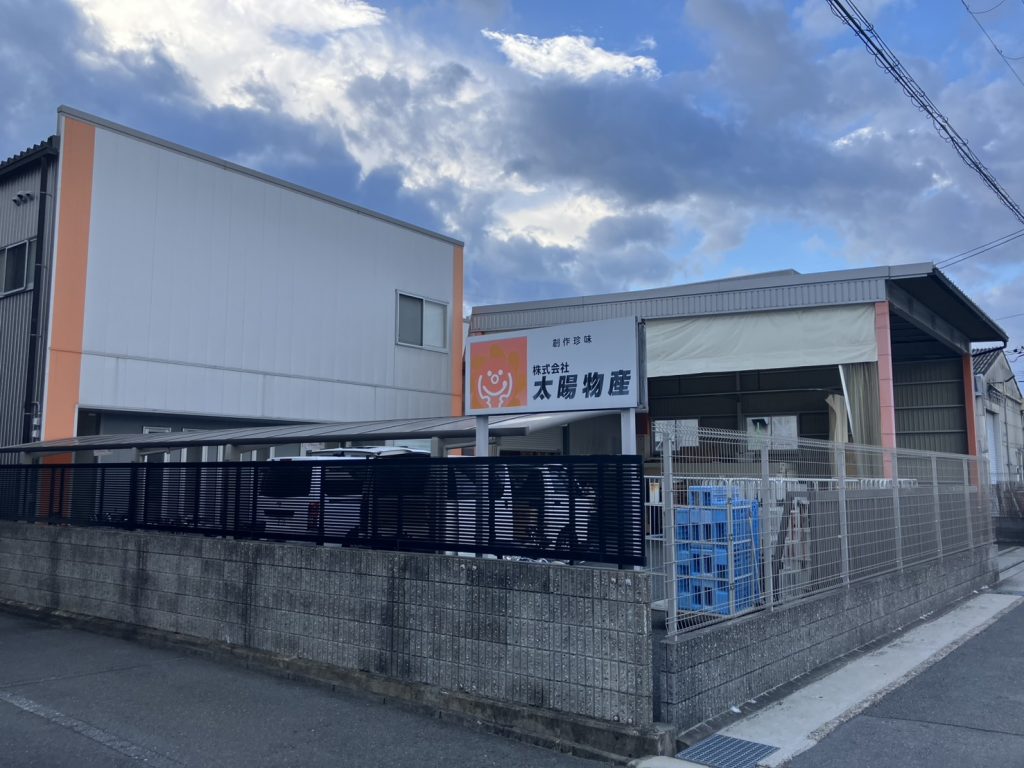
A new path to overseas markets, made possible precisely because we are not a manufacturer.Taiyo Bussan Co., Ltd.
Taiyo Bussan is a company that handles a wide range of food products (primary products, processed foods, and beverages). Rather than being a manufacturer that produces its own products, it adopts a so-called repackaging style, where it purchases products, repackages them, and sells them. It offers a wide range of products, including yuzu hot sauce, cherry blossom jelly, and Baumkuchen. In Japan, it has been wholesaling to stores with strong inbound demand, but as a first step, it has introduced STANDAGE's "Omakase Trading" service in November 2025 and is proceeding with this initiative.
assignment
- Our company lacked the necessary infrastructure and expertise to handle overseas exports.
- As a repacking company, we felt the difficulties of developing products for export and complying with regulations.
- We lacked expertise in developing sales channels and selecting logistics partners.
current situation
- We have started sending samples of our yuzu hot sauce and cherry blossom jelly to the United States and France.
- We are promoting product selection while receiving support such as checking for prohibited ingredients and selecting logistics partners.
- We have begun developing a new business model that involves taking on and exporting products from other companies.
Could you tell us what led you to introduce STANDAGE's automated trading service this time?
Up until now, our company has only been involved in exports indirectly. While our products have reached inbound tourists through domestic mass retailers, we have never directly sold overseas ourselves. However, there have been voices within the company for some time expressing a desire to "work more on exports," and that awareness has been gradually growing.
On the other hand, our company is not a manufacturer that produces its own products; we are a repackaging company that repackages purchased goods and sells them. Creating new products for export would involve significant hurdles, including capital investment, and to be honest, we didn't have a clear idea of how to move towards overseas markets.
We consulted with JETRO and participated in export support training, but ultimately, there was a lot of work that we had to do ourselves, and we didn't feel like we could put it into practice. That's when we learned about STANDAGE's initiative, and going to hear what they had to say was the initial trigger.
The deciding factor in our contract was the comprehensive support we received for aspects that would be difficult for us to handle on our own. Developing sales channels and arranging logistics are areas that are quite challenging without the necessary knowledge. Hiring specialized personnel would incur recruitment costs, and the risk of failure would also be significant. Considering all of this, "Omakase Trading" was a convincing option in terms of cost-effectiveness.
What exactly did it entail?
Currently, through our "Leave it to us to trade" service, we are expanding our overseas business, focusing on yuzu hot sauce and cherry blossom jelly. We have sent samples of the yuzu hot sauce to the United States and samples of the cherry blossom jelly to France. We are also receiving inquiries from Hong Kong regarding snacks.
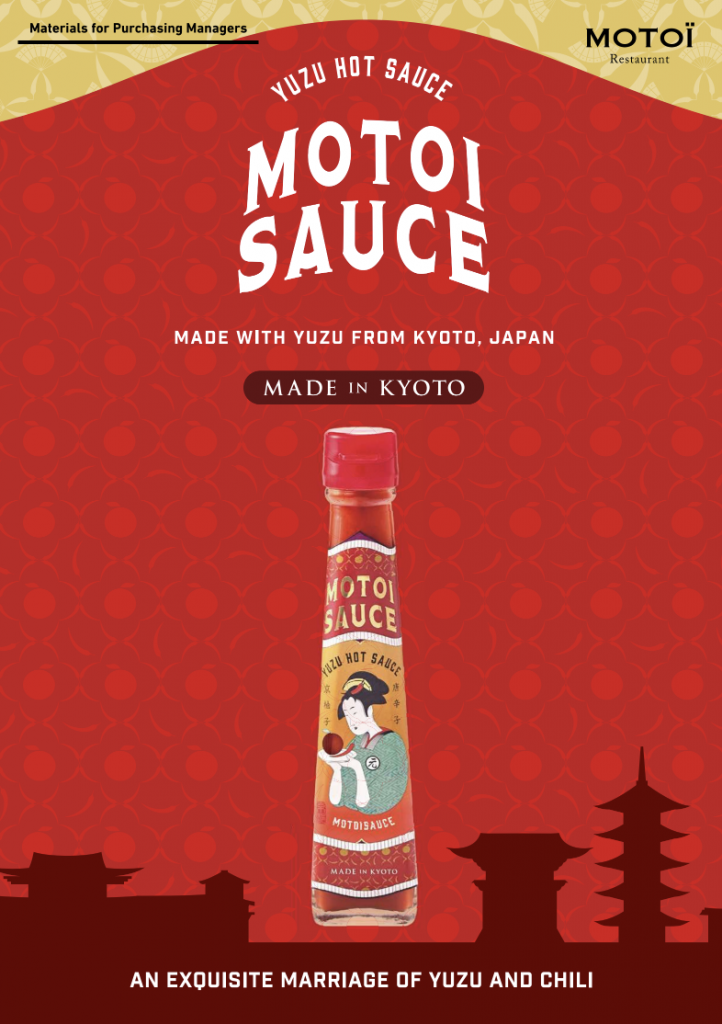
The support we've found particularly helpful is in confirming prohibited ingredients and in determining how to select trading and logistics companies. When obtaining multiple quotes, it's difficult to grasp the market rate for logistics costs without knowledge, so having support in that area is very reassuring. We're also satisfied with the response from the person in charge; they seem to be working diligently. As for sales performance, there's still a lot of room for improvement, so I don't think it's fair to base our evaluation on that.
What effects have you seen since implementing it?
We've been able to send out samples of our yuzu hot sauce to the US and our cherry blossom jelly to France. We've also received inquiries about snacks from Hong Kong, and we're gradually building connections with overseas markets for each of our products.
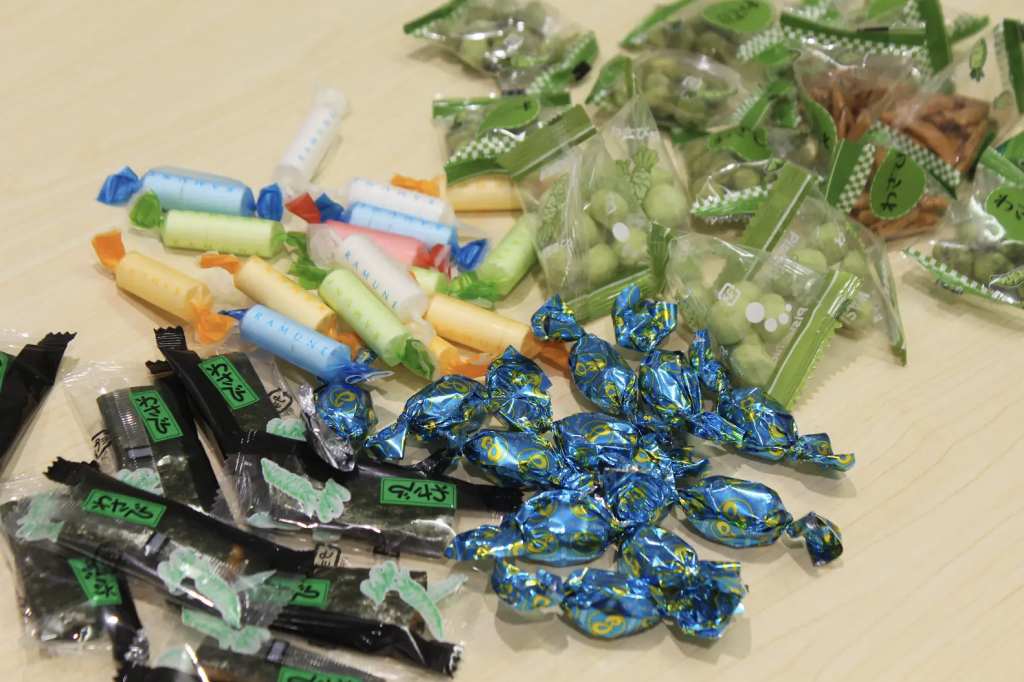
Furthermore, thanks to connections made through banks, we have been able to embark on a new initiative: exporting products from other companies. We are currently in discussions with natto manufacturers and dashi (broth) companies that have export experience. Our company originally gained firsthand experience of overseas customer reactions through wholesale to stores with strong inbound demand, and we feel that this experience is now proving valuable and leading to these new business opportunities.
What kind of support do you expect from Omakase Trading in the future?
I understand that sales won't suddenly increase dramatically, and we intend to continue working on it as much as we can. As the person in charge, I also want to continue with "Omakase Trading," so I would like to work together to create a system that will allow us to continue.
Since we handle a large number of products, we believe it's more efficient to narrow down our focus to those that seem to have high demand and are suitable for export. In the future, we would also like to expand the export of Baumkuchen, which is produced by our subsidiary.
Comment from Mr. Ikuta of Taiyo Bussan Co., Ltd.
Our company handles a wide variety of products and has connections with other companies. If a company has the resources, it would be best for them to work directly with STANDAGE, but in reality, not all companies have that kind of capacity. That's precisely why we feel we can be of service from our position.
I never intended to underestimate the importance of product selection and marketing, but looking back now, I think there were definitely areas where I was too complacent. I had thought that our domestic sales performance would be sufficient, but in reality, it wasn't that simple. That's why I feel that using "Omakase Trading" as a risk hedge was worthwhile. My view is that exporting is fundamentally something you should do, even as a precaution against unforeseen circumstances.

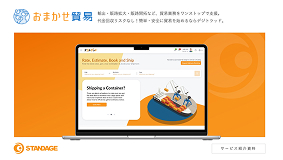
Other recommended implementation examples
-

Manufacturer
Ihara Suisan Co., Ltd.Mr.
How did the introduction of "Leave it to us" trading open the door to overseas expansion for seafood processing companies struggling with declining domestic demand?
-
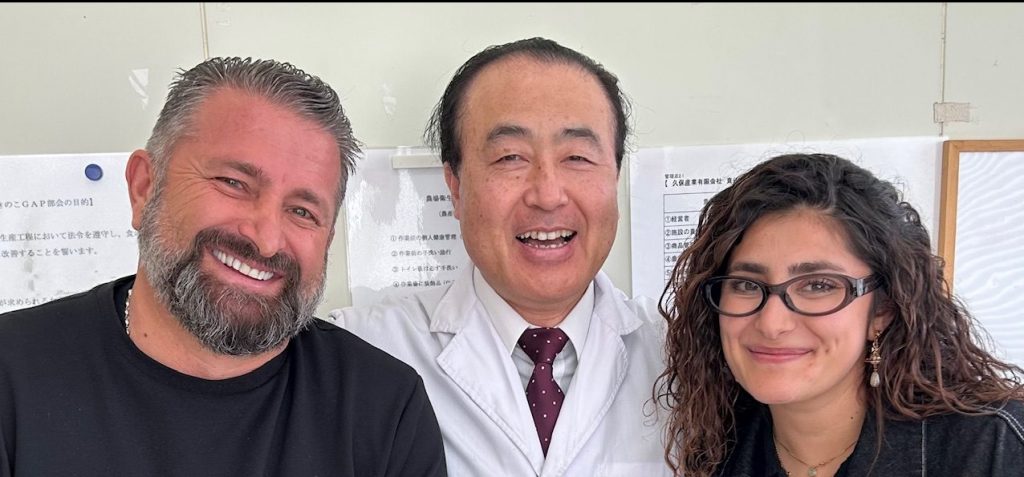
retail
Kubo Sangyo Co., Ltd.Mr.
Overcoming the "export barrier"—Small and medium-sized agricultural corporations have found a way to expand overseas.
-
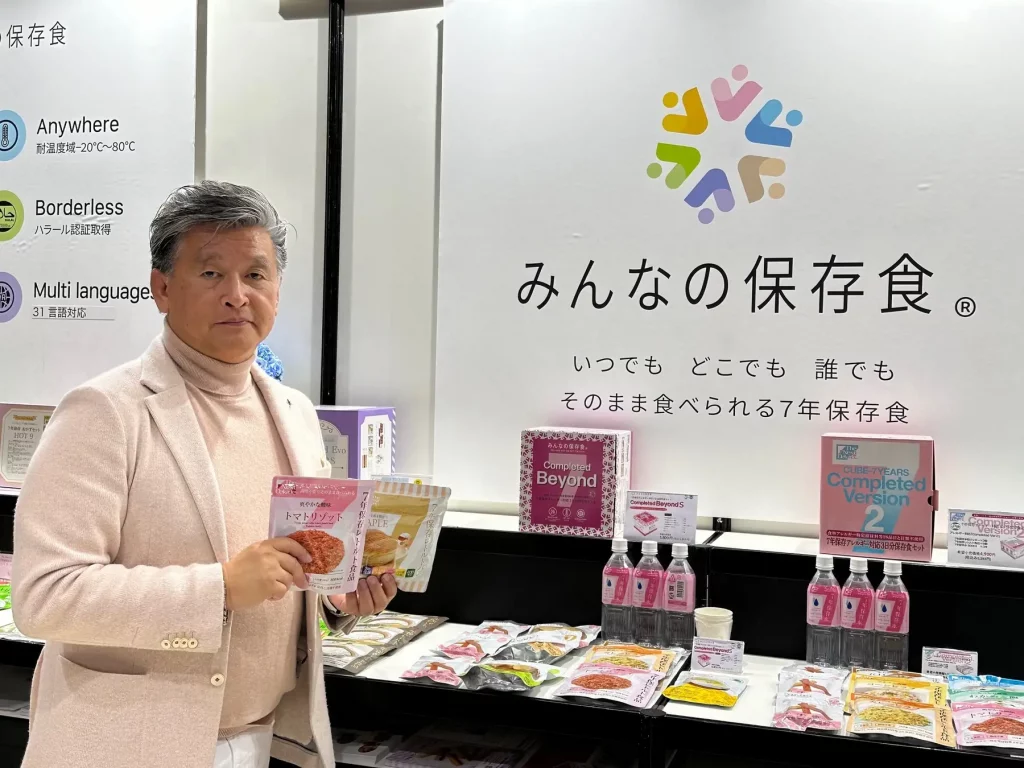

Consulting
Green Design & Consulting Co., Ltd.Mr.
These convenient and delicious ready-to-eat meals have become popular in Southeast Asia. There is also a demand for them from food banks in Africa, which is facing a food crisis.
-
Manufacturer
Wagyu International Co., Ltd.Mr.
Achieving efficiency and growth in overseas export operations of Wagyu beef! Monthly sales of 100 million yen achieved by introducing "Omakase Trading" (a customized trading system).
-
Manufacturer
Agata-ya Sake Brewery Co., Ltd.Mr.
A historic sake brewery ventures into overseas markets—opening up new prospects with STANDAGE's "Leave it to us trading" service.
-
Manufacturer
Chikamori Sangyo Co., Ltd.Mr.
Bringing the "Taste of Kochi" to the World: A Regional Food Manufacturer's Overseas Strategy Through Locally Based Sales Representatives
Documents