English
  Japanese
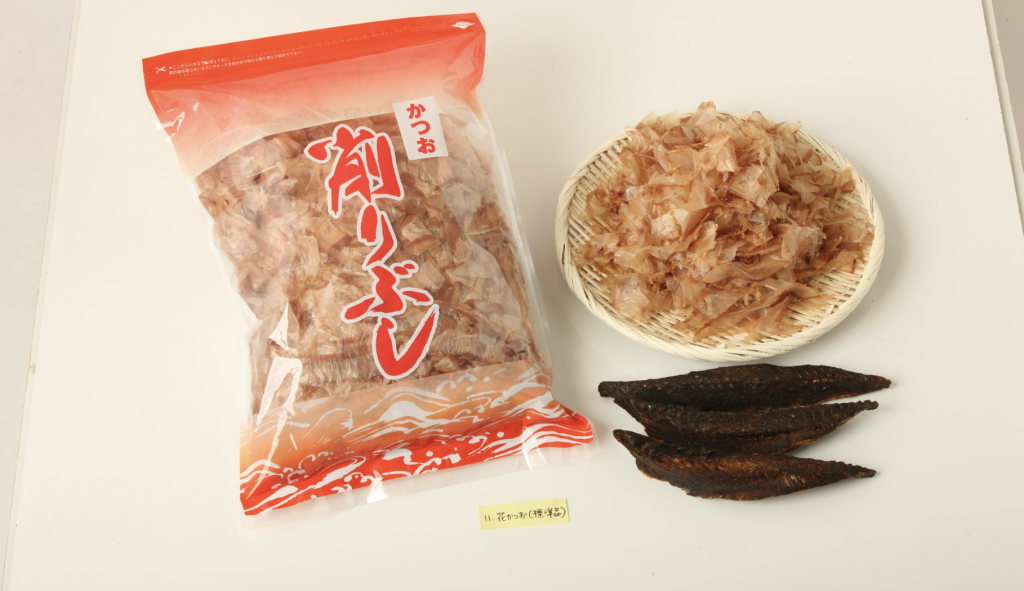
Taking a step beyond passive sales: The export partner chosen by a bonito flake manufacturerKobayashi Foods Co., Ltd.
Kobayashi Foods Co., Ltd. is a food manufacturer headquartered in Shizuoka Prefecture, specializing in dried bonito flakes. While the company has been expanding overseas by focusing on exhibiting at international trade shows and obtaining certifications, its sales approach has primarily been reactive, mainly responding to inquiries. Currently, the company has introduced "Omakase Trading" (a business management system) to promote its overseas sales activities.
assignment
- We lacked employees who could speak foreign languages, creating a language barrier in business negotiations with overseas partners.
- We were unable to determine which countries or regions our products were suitable for.
- Although we obtained halal certification and EU HACCP certification, it was difficult for us to handle country-specific regulations on our own.
current situation
- We enable product proposals and business negotiations in English.
- To deepen their understanding of the characteristics of our products and to receive suggestions for suitable countries and regions.
- We received accurate answers to our questions regarding regulations, which deepened our understanding of how to utilize certifications.
Could you tell us what led you to introduce STANDAGE's automated trading service this time?
Our company's main product is dried bonito flakes, and we have been working on expanding overseas since around 2018. We have exhibited at trade shows in Asian countries such as China, Taiwan, Thailand, and Malaysia, as well as in the United States, and have conducted market research by listing our products on online platforms, but we have only been able to make actual deals with about five companies. Basically, our sales have been passive, mainly starting with inquiries from overseas.
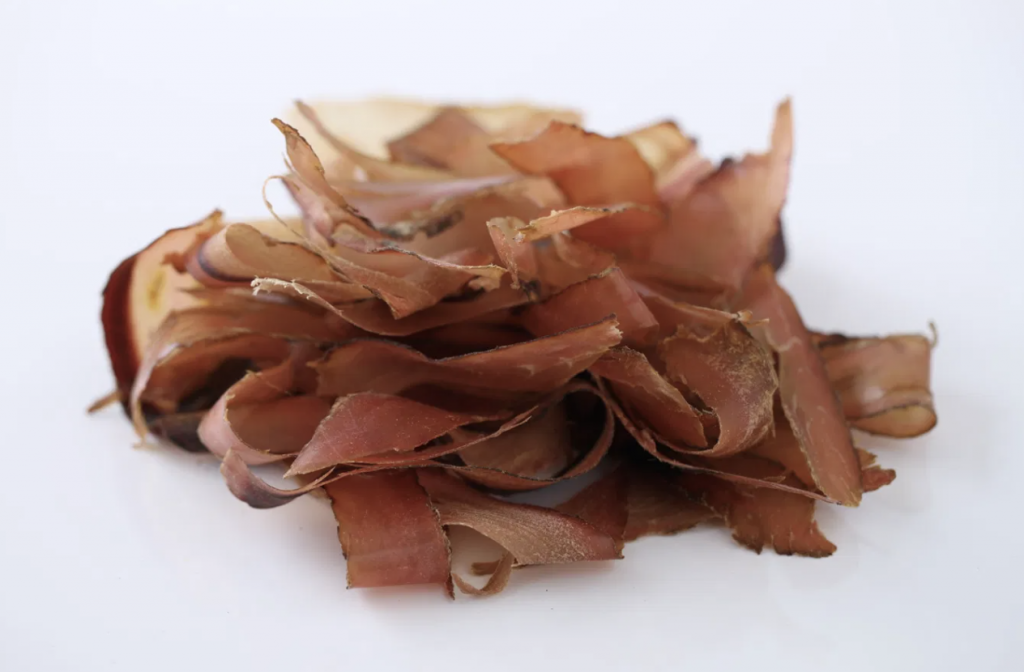
We first learned about "Omakase Trading" when our managing director was introduced to it by a business partner. At a time when we felt the need to expand overseas amidst the shrinking domestic demand for dried bonito flakes, STANDAGE's proposal was concrete and the expected benefits were clear, which was the deciding factor in adopting it.
What exactly did it entail?
I feel that the most valuable aspect of the support we receive is the quality of the feedback on our proposals. We are currently working on proposals for two companies, and having them share their requirements and our analysis of those requirements is not only beneficial for the proposal process itself, but also an opportunity to learn where our products will resonate.
On our own, conducting business negotiations and creating proposals in English, as well as utilizing certifications after obtaining them, were major challenges. The person in charge at "Omakase Trading" is fluent in English, so we can confidently entrust these aspects to them. Regarding the utilization of the certifications, we can ask questions immediately whenever we have doubts, and we receive accurate responses, which has deepened our understanding. The meetings, which are based on the case studies and achievements of other companies, are specific and specialized, and we are making progress in shifting from our previous focus on inbound to outbound operations.
What effects have you seen since implementing it?
Before implementation, our approach was primarily passive, mainly responding to inquiries from overseas. However, the company culture has shifted towards a proactive, proposal-oriented attitude. Understanding of certifications has also deepened, and there is a growing sense within the company that we are moving forward with overseas expansion utilizing certifications such as Halal and EU HACCP.
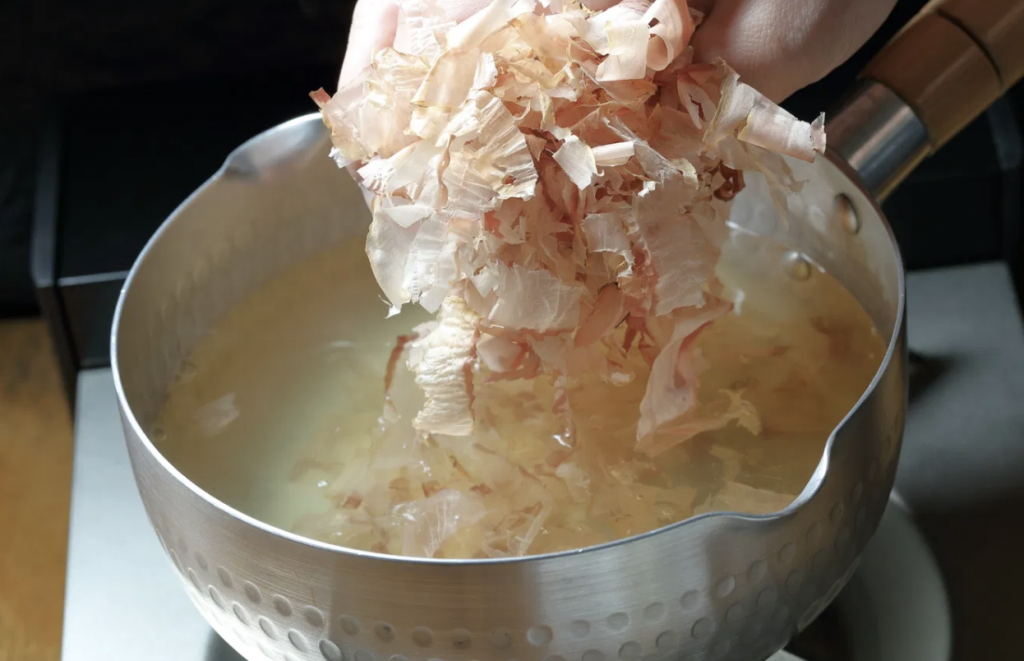
Our goal for the two-year contract period is to secure at least 36 business deals. Ultimately, we aim to leverage our own strengths and certifications, learning about overseas sales and export methods, and eventually considering in-house production.
What kind of support do you expect from Omakase Trading in the future?
Going forward, we aim to acquire more customers overseas than ever before. Currently, we are in the process of making proposals to two companies, but we would like to expand these proposals to more countries and regions and move into the phase of actually closing deals.
In the future, we hope to be able to handle overseas sales and export operations in-house. Therefore, our honest desire is to absorb practical know-how, one step at a time, through our interactions with STANDAGE, including how to conduct business negotiations, structure proposals, and leverage certifications in sales. We feel it will be difficult to complete everything on our own immediately, so for the time being, we would like to receive support in the current way while gradually moving towards in-house operations.

Comment from Mr. Watanabe of Kobayashi Foods Co., Ltd.
I was a little apprehensive at first, but as we continued our interactions, I came to feel that they are a trustworthy company, just as their name suggests. They would be a great support for companies that are looking overseas but don't know where to start, or for companies that can't determine which country their products are best suited for.

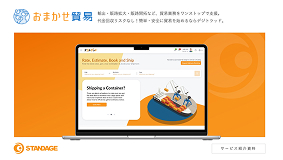
Other recommended implementation examples
-
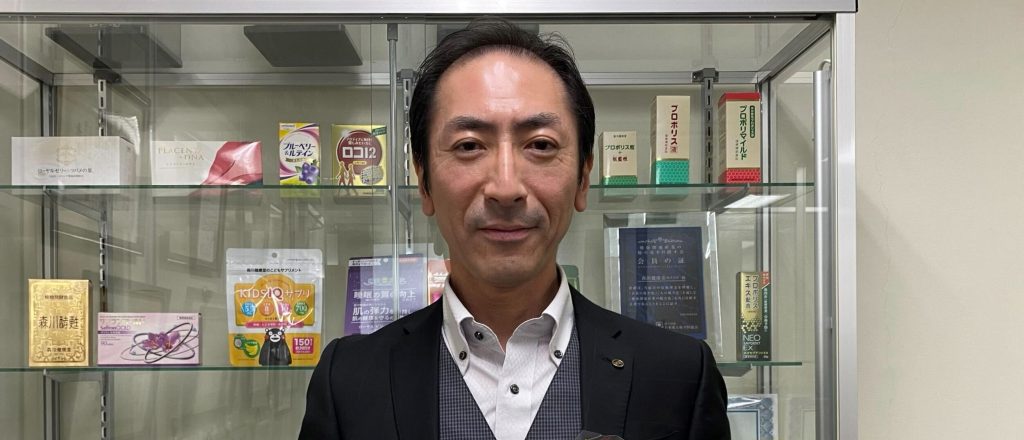

Manufacturer
Morikawa Health Co., Ltd.Mr.
How did "Omakase Trading" overcome language, logistics, and payment barriers to achieve overseas expansion?
-
Trading companies and wholesalers
Feliz Te' Co., Ltd.Mr.
Sales more than 5 times higher after implementing "Leave it to us trading"! Feliz Te's approach to global expansion.
-
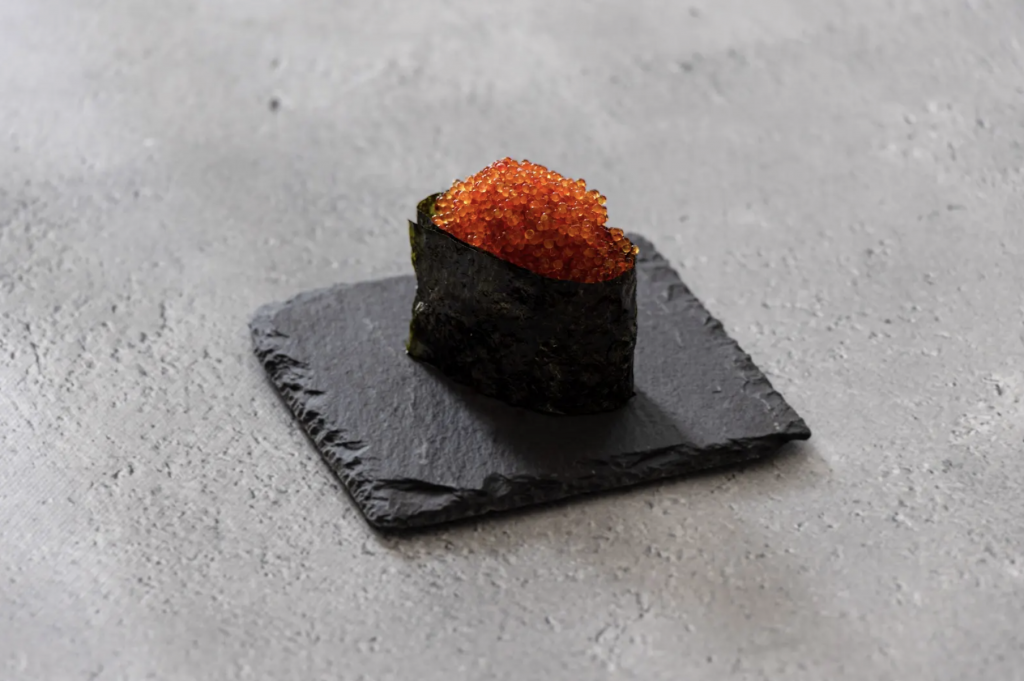

retail
FGROW JAPAN Co., Ltd.Mr.
A seafood processing company's export strategy: Leveraging halal certification to move towards direct trade.
-
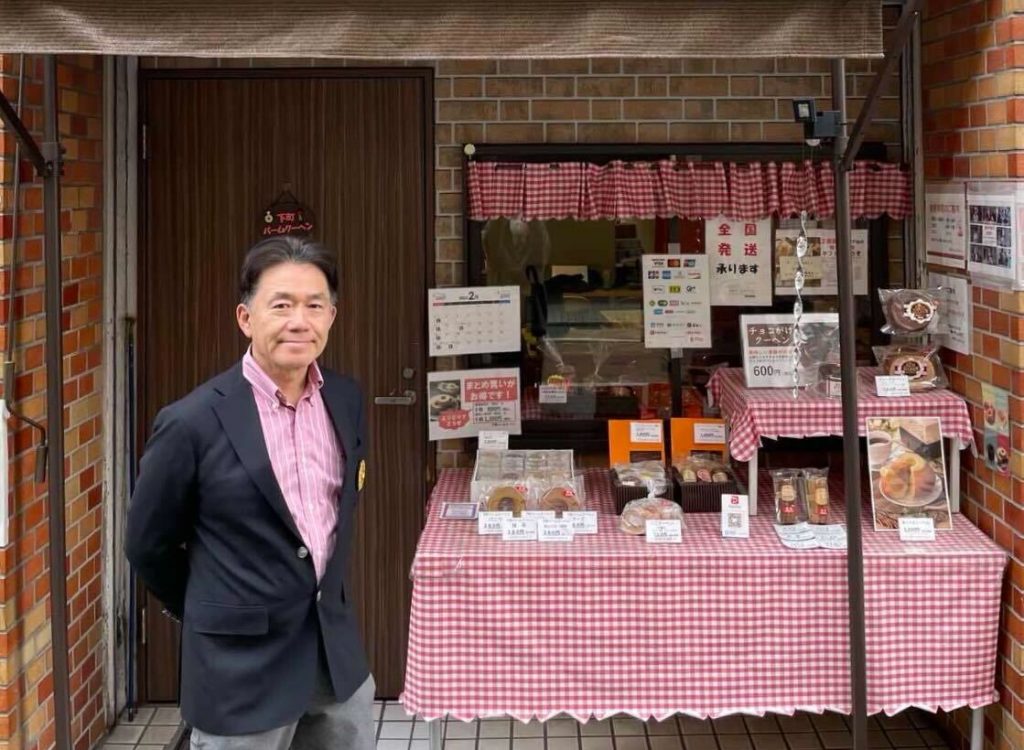

Manufacturer
Lactose Confectionery Co., Ltd.Mr.
Beyond the domestic market—the new sales channel expansion and potential opened up by "Leave it to us trading"
-
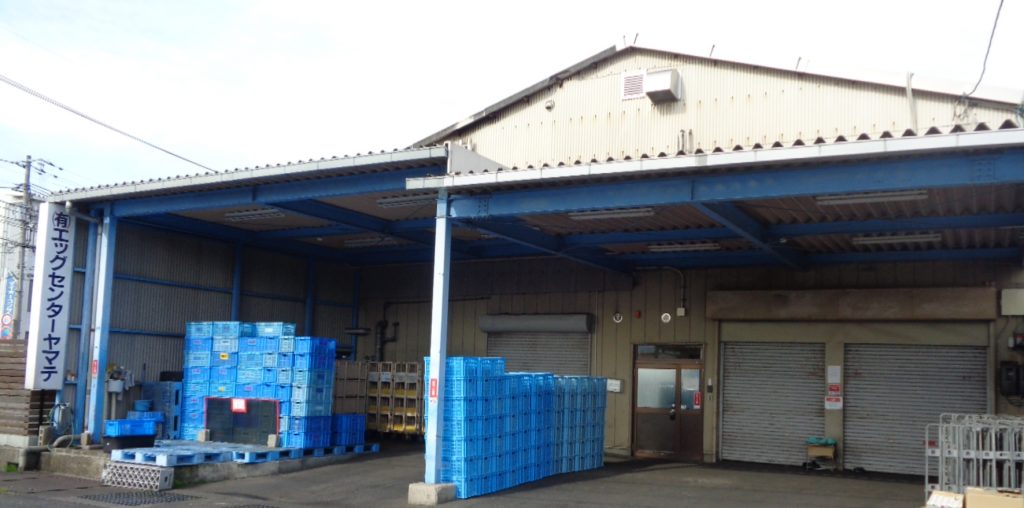
Manufacturer
Egg Center Yamate Co., Ltd.Mr.
Competing with Japan's rare eggs: A poultry company's global challenge
-
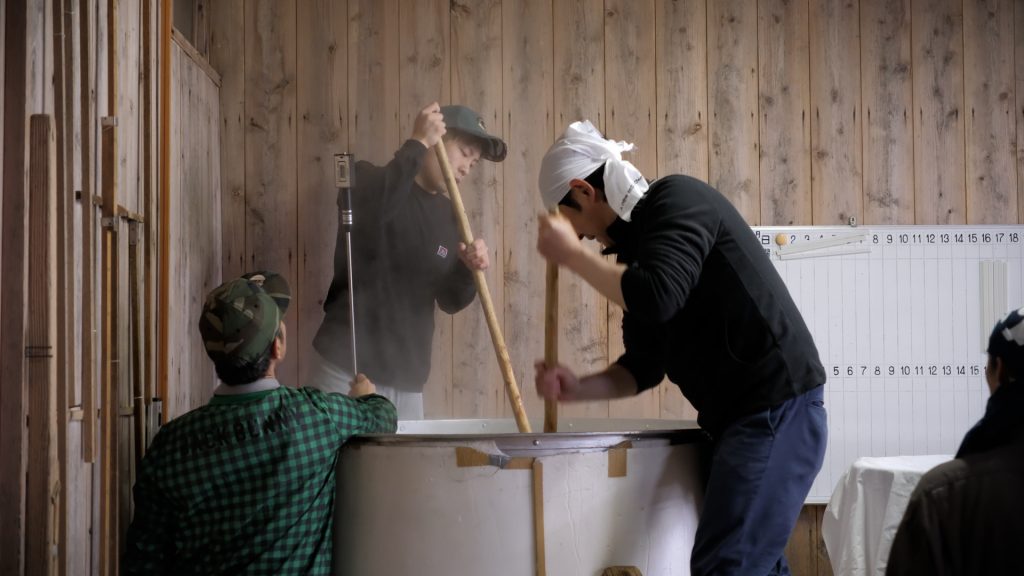

others
Nippon Glocal Business Co., Ltd.Mr.
Leveraging the strengths of diversified management, we bring Japanese food to the world—accelerating our entry into global markets with "Omakase Trading" (a service that handles all aspects of trade).
Documents