English
 Japanese

A seafood processing company's export strategy: Leveraging halal certification to move towards direct trade.FGROW JAPAN Co., Ltd.
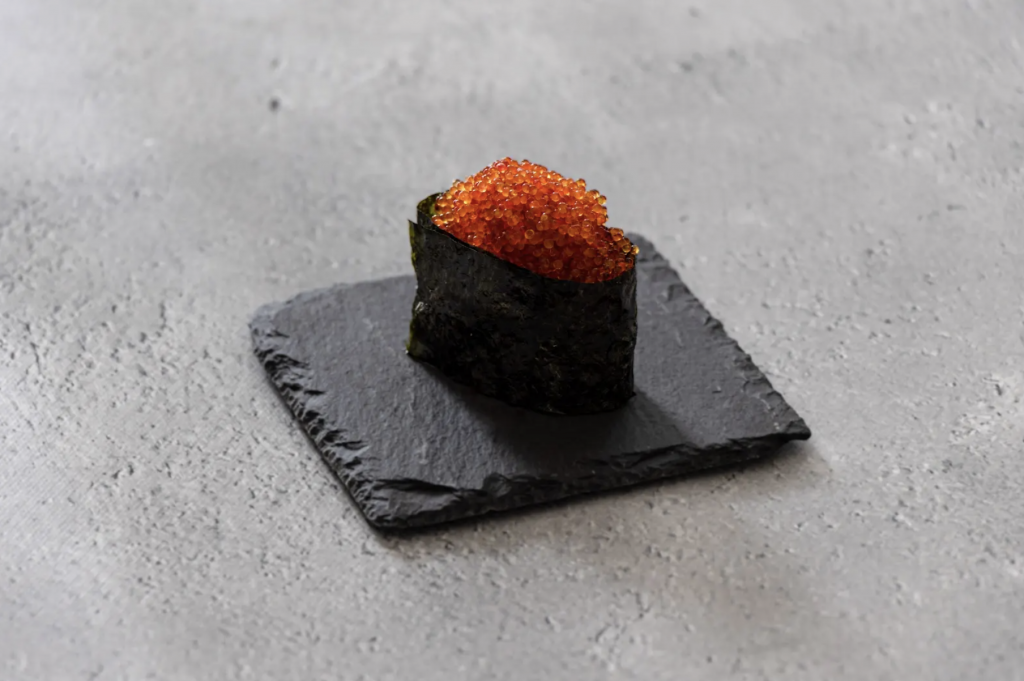
FGROW JAPAN Co., Ltd. is a seafood processing company. They had obtained halal certification and were working on exports through trading companies, but negotiations were not progressing as expected. Seeking more reliable proposals, they introduced STANDAGE's "Omakase Trading" service. They are steadily expanding their overseas business, including direct transactions with India.
assignment
- Product proposals through trading companies tended to be based on domestic procurement prices.
- We weren't able to secure repeat business or conduct high-probability sales negotiations.
- We were unable to establish a sales system that prioritized listening to our customers on our own.
current situation
- Through transactions with companies that have local subsidiaries in India, we have built a track record in the Indian market.
- STANDAGE's staff provides strong sales support in the fisheries sector.
- We promote overseas business trips to Singapore, Thailand, Bangladesh, South Korea, Indonesia, and other countries.
- We are currently building a foundation for expanding into halal-friendly regions, leveraging halal certification.
Could you tell us what led you to introduce STANDAGE's automated trading service this time?
Our company is in the seafood processing business, and we have always felt that we needed to earn foreign currency. Five years ago, we started thinking about exporting, and after obtaining halal certification, we have continued to propose our products through trading companies.
However, in reality, the competition tended to be based on domestic procurement prices, and we continued to struggle to secure deals as we had hoped. I was primarily in charge of sales, and I tried several methods, but honestly, I wasn't seeing any real results.
Our company excels at customizing products, so we felt we needed someone who could listen carefully to our needs rather than just unilaterally proposing products. It was during this time that a bank we were doing business with contacted us...We can assist you with overseas market development, including sales representation.They introduced us to "Omakase Trading".
The fact that there was a scheme available that offered subsidies, coinciding with our initial consideration of investing, also encouraged us. Above all, the feeling that we could conduct highly promising business negotiations was the deciding factor in our decision to implement it.
What exactly did it entail?
What we value most is that STANDAGE's representative is very knowledgeable about the fisheries industry and approaches sales with great passion. Acquiring leads was difficult for us to do on our own due to language barriers, but they have provided excellent support in that area. Post-contract communication and follow-up have also proceeded smoothly without any issues.
What effects have you seen since implementing it?
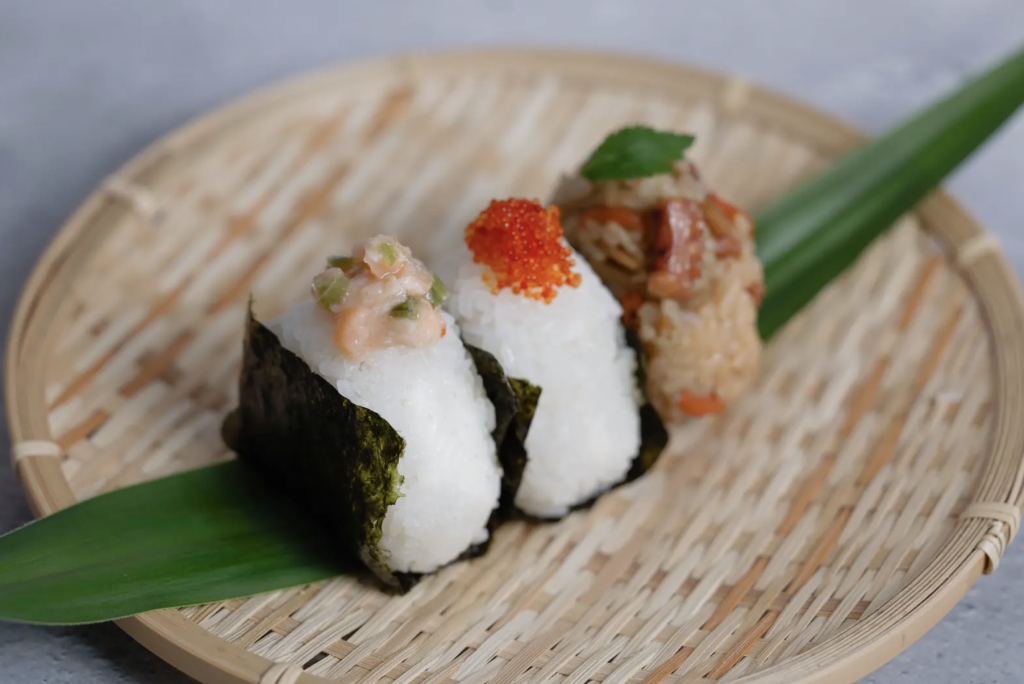
The introduction of our "Leave it to us trading" system led to business relationships with companies that have local subsidiaries in India and established sales channels for their own products. To date, we have delivered 5 tons of fish roe in three separate shipments, totaling approximately 20 million yen, to the Indian market.
As we move forward with expanding our business, we have made numerous overseas business trips to countries such as Singapore, Thailand, Bangladesh, South Korea, and Indonesia. We have also exhibited at a halal booth at a domestic trade show, and we hope to increase these opportunities further in the future. We feel that "it's almost impossible to win through aerial means alone," and we have come to realize once again the importance of actually going to the locations in person.
What kind of support do you expect from Omakase Trading in the future?
We aim for overseas expansion to account for 301% of our total sales. Since we have obtained halal certification, we want to leverage this strength to expand into halal-compliant regions. Halal compliance is becoming essential for entering the Singapore market, and we see this as a competitive advantage.
In order to further accelerate these developments, I believe we can move forward if you can work alongside us with a greater sense of urgency.
Comment from Mr. Funada of FGROW JAPAN Co., Ltd.
I feel that the reality is that "it's difficult to sell unless you do it yourself" and "it takes more time and money than you might imagine." That's why I believe it's a "person-to-person business" and that "building relationships and doing business with people yourself is essential for repeat business."

Other recommended implementation examples
-
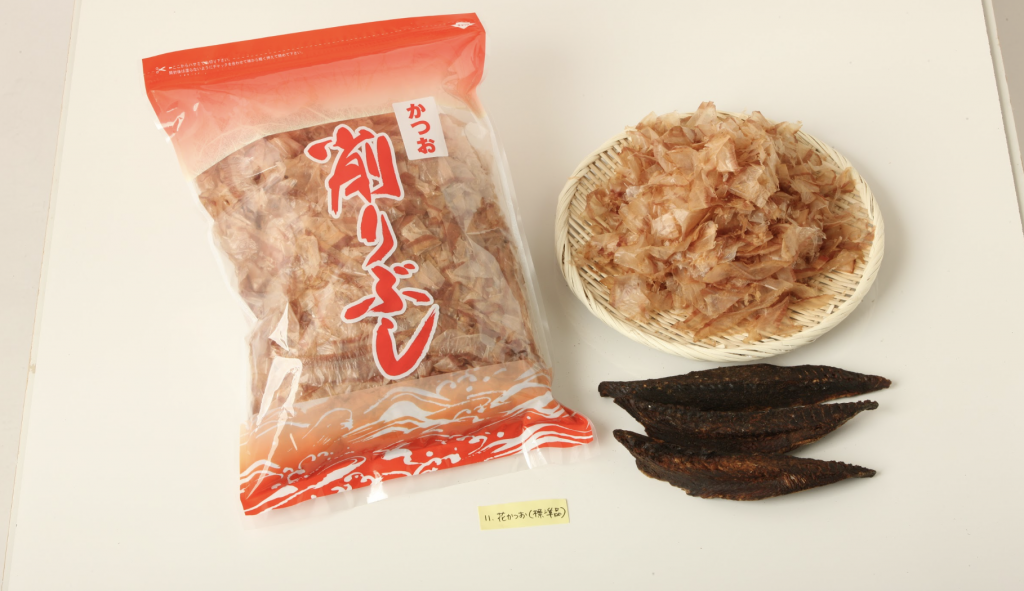

Manufacturer
Kobayashi Foods Co., Ltd.Mr.
Taking a step beyond passive sales: The export partner chosen by a bonito flake manufacturer
-
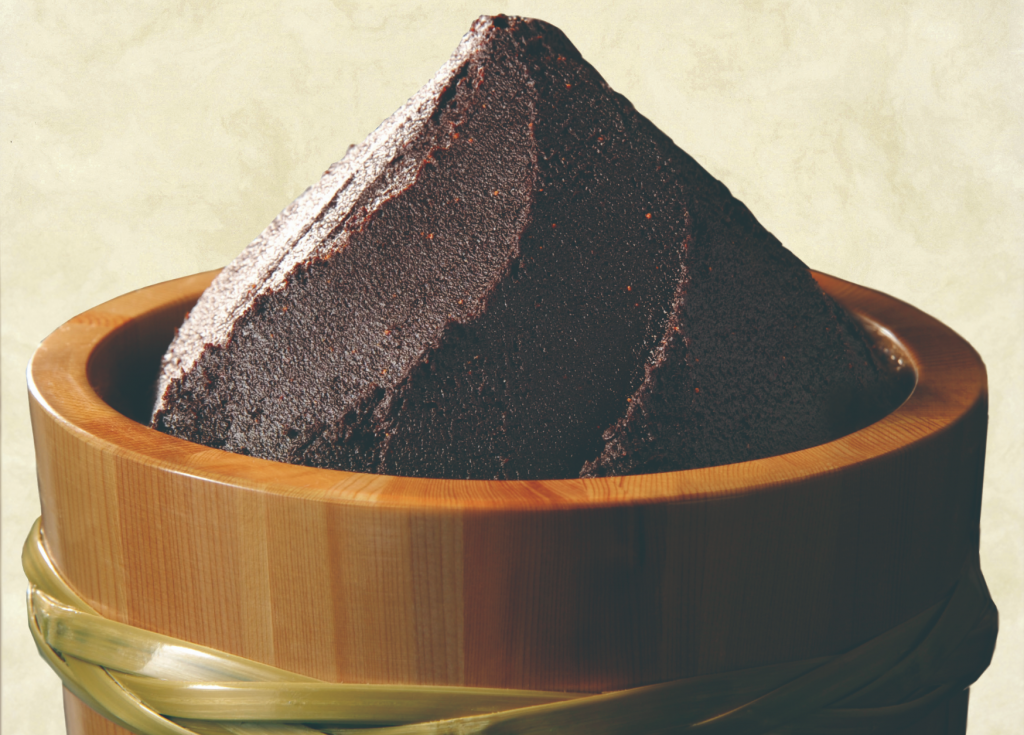
Manufacturer
Ichibiki Co., Ltd.Mr.
Overseas Strategy of a 250-Year-Old Company: The Partnership Approach Chosen by a Long-Established Seasoning Manufacturer
-


Manufacturer
Seibu Nori Store Co., Ltd.Mr.
Bringing nori (seaweed) production, a tradition dating back to the Taisho era, to tables around the world.
-


Manufacturer
Inoue Umeboshi Foods Co., Ltd.Mr.
The sense of accomplishment I gained over the past two years—that's why I chose to continue for another two years.
-

others
Outgrow Japan Co., Ltd.Mr.
From B2C to B2B: Exploring new frontiers in B2B exports through diversified management.
-
Manufacturer
Chikamori Sangyo Co., Ltd.Mr.
Bringing the "Taste of Kochi" to the World: A Regional Food Manufacturer's Overseas Strategy Through Locally Based Sales Representatives
Documents